
Service Area
Assessment
Office
Buildings
Planning
Closeout

Documentation That Holds Up When an Adjuster Walks the Roof
Filing a commercial roof claim usually comes down to whether the documentation is thorough enough to answer an adjuster's questions before they're asked. Commercial Roofing Contractors of Canton photographs, measures, and writes up roof damage in a format built for that review process — not a sales pitch dressed up as an inspection report. What your claim ultimately gets approved for is between you, your carrier, and your policy; our job is making sure the roof condition is documented accurately.
What Goes Into the Documentation
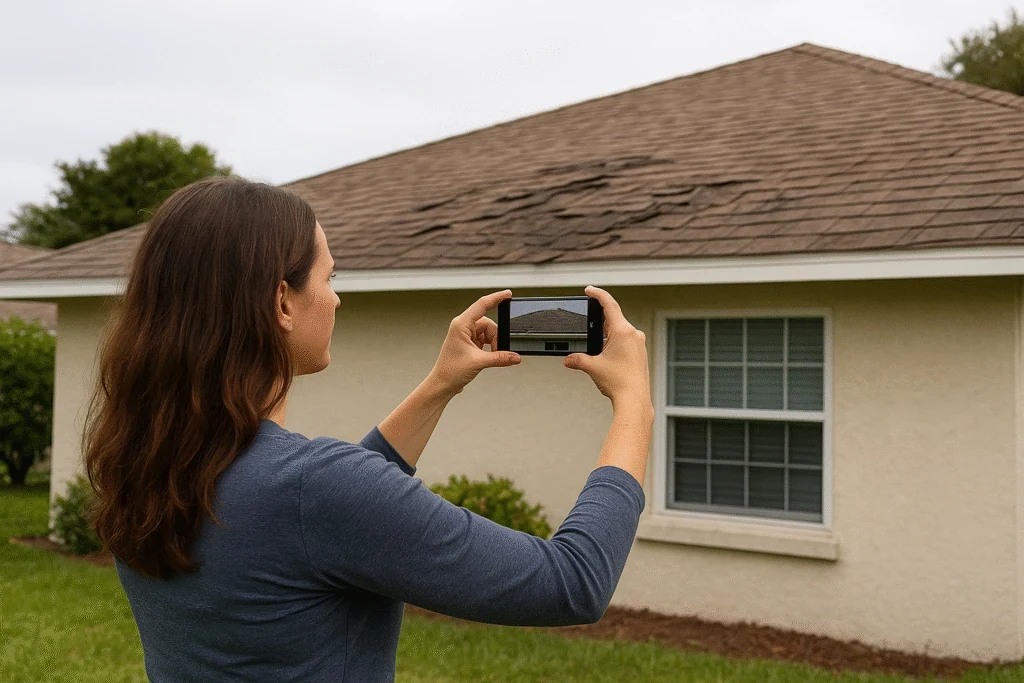
A useful damage report starts with a roof plan showing where every finding is located, paired with close-up and wide-context photos of each one. We note membrane type, approximate age where determinable, and the specific failure mode — wind-lifted edge metal, hail impact, seam separation — rather than a general "roof damaged" summary that leaves an adjuster to guess. Where relevant, we include moisture readings showing whether damage has led to actual water intrusion versus surface marking that doesn't affect performance.
We also document pre-existing conditions honestly. A roof with prior wear alongside new storm damage needs both noted clearly, since mixing the two together in one vague description tends to slow a claim down rather than help it.
On manufacturing buildings around the Timken corridor and distribution warehouses along I-77, roof size alone can make documentation a bigger job than it looks from the ground. A single wind event can produce dozens of individual findings spread across a large field, and each one needs its own photo reference and location note rather than a blanket description covering the whole roof.
Working the Site Visit With Your Adjuster
When a carrier sends an adjuster out to walk the roof, we're glad to be there alongside them. We can point directly to what we found, answer technical questions about roofing systems and failure modes that aren't always an adjuster's specialty, and make sure nothing gets missed because it wasn't obvious from a quick walk-through. This isn't about arguing a claim — it's about making sure the roof gets a fair, technically accurate look.
If the adjuster's assessment and our documentation don't match on something specific, we'll walk you through exactly where the difference is and what the technical basis for our finding was, so you have what you need for that conversation with your carrier.
We also coordinate scheduling around your building's operating hours when the adjuster visit happens, the same way we would for any roof work. A hospitality property tied to the Hall of Fame Village corridor or a retail center at Belden Village has different foot-traffic and access constraints than a manufacturing plant, and we plan the walk-through accordingly.
What's in a Standard Documentation Package
- Roof plan with numbered findings keyed to photo references
- Wide and close-up photos of each documented issue
- Written description of damage type, location, and probable cause
- Moisture readings where water intrusion is a factor
- Pre-existing condition notes kept separate from storm-related findings
- Repair or replacement scope with itemized pricing, if requested
We format this however your carrier or corporate office typically requires, since the presentation matters as much as the content when a claims desk is processing a lot of files at once.
Getting the Timing Right
Documentation is strongest when it happens soon after the storm event, before weather or continued roof exposure changes what's visible. After Northeast Ohio's spring wind and hail season, we try to get on affected roofs quickly, both to stabilize anything that needs emergency dry-in and to capture the damage while it's still clearly attributable to that specific event rather than months of subsequent weather.
Waiting even a few weeks after a storm can complicate a claim, since a hairline membrane split from a wind event can widen with normal rain and start to look like ongoing wear rather than storm damage from a specific date. Getting documentation on record close to the event date protects you from that ambiguity later.
We can usually schedule a documentation visit within a few days of your call, faster if there's active water intrusion involved that also needs a dry-in while we're on site gathering the record.
Being Straight About What We Can and Can't Say
We don't promise claim outcomes, and any contractor who does is telling you something they can't actually control. What we can promise is an accurate, thorough, technically sound record of what's actually happening on your roof, documented in a way that gives you and your carrier the same clear picture. What your policy covers and how the claim gets resolved is a conversation between you and your insurer.
What Building Owners Ask About the Claims Process
Can you meet with our adjuster on-site?
Yes, we regularly walk roofs alongside adjusters and can speak directly to the technical findings in our report.
Will your report guarantee our claim gets approved?
No, and we won't tell you otherwise. We provide accurate documentation; the coverage decision belongs to your carrier under your policy.
How soon after a storm should we get documentation started?
As soon as reasonably possible. Damage is easiest to attribute clearly to a specific event before more weather passes over it.
Do you separate storm damage from pre-existing wear in the report?
Yes, always. Mixing the two together tends to slow a claim down rather than support it.
Can you provide a repair estimate alongside the documentation?
Yes, an itemized scope and pricing can be included if you or your carrier needs one to move the claim forward.