
Service Area
Assessment
Office
Buildings
Planning
Closeout

PVC Membrane Where Grease, Steam, and Chemicals Hit the Roof
Most flat roofs in Stark County never see anything harsher than rain, UV, and the occasional service tech's boots. But food processing plants, restaurant kitchens, and buildings with chemical exhaust are a different environment entirely, and that's where PVC membrane earns its higher price tag over TPO or EPDM.
What Makes PVC Different at the Chemistry Level
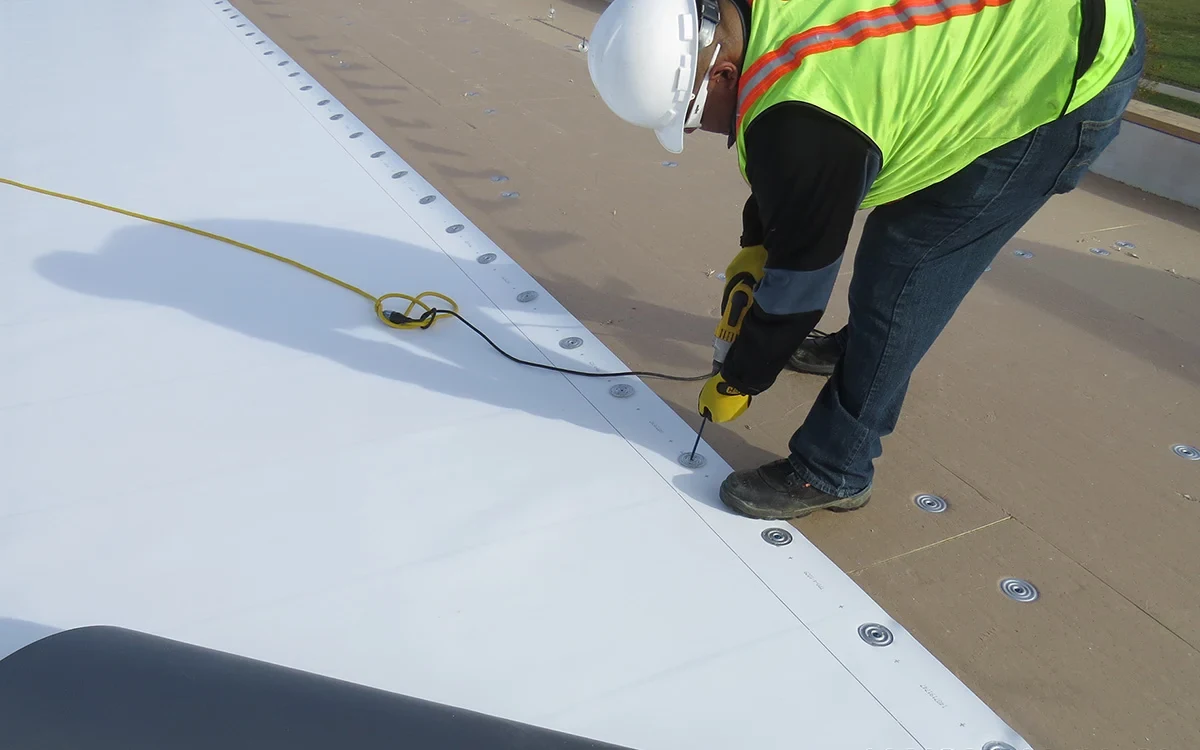
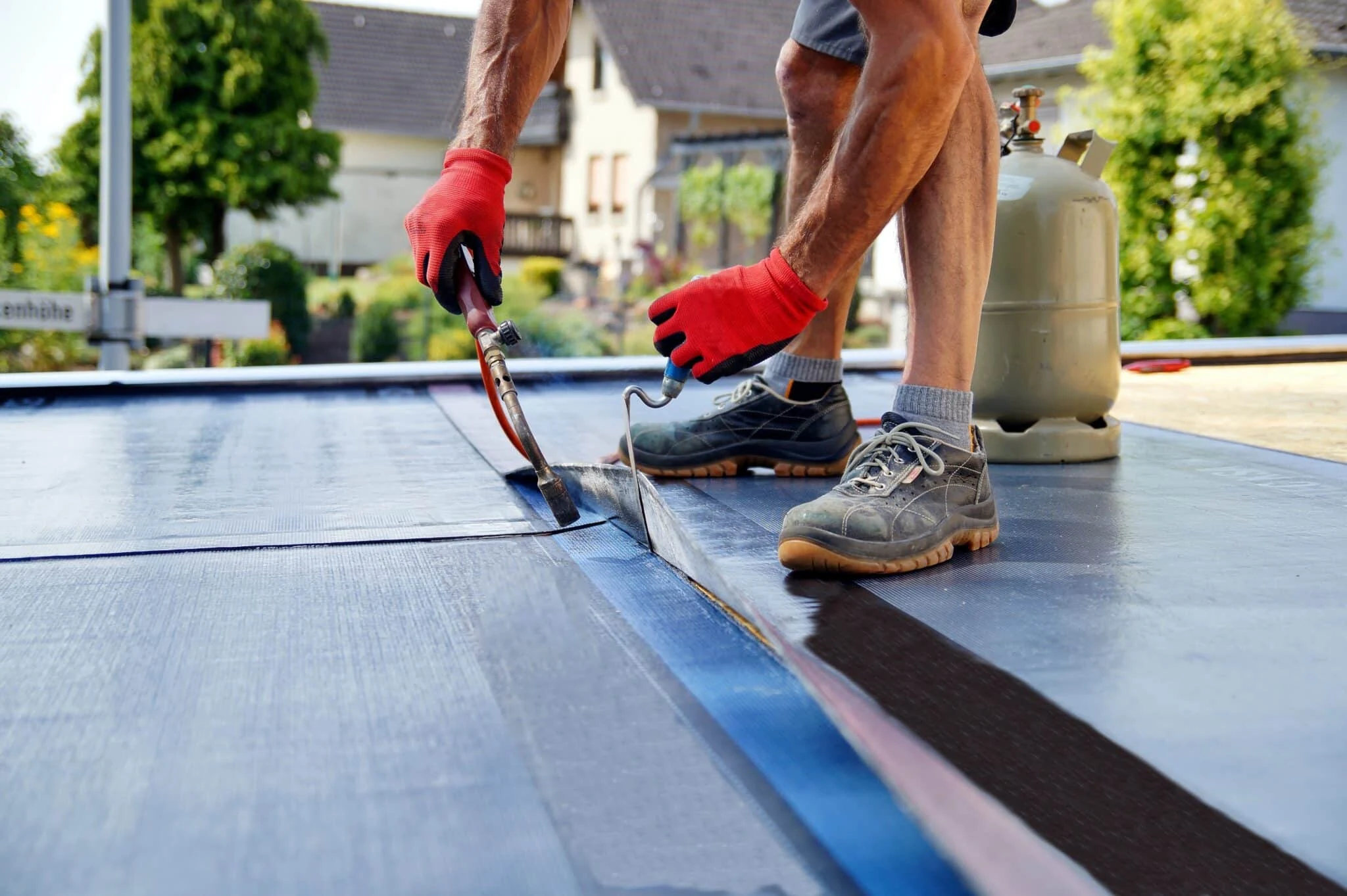
PVC membrane is a homogeneous thermoplastic — meaning it's the same material all the way through, not a laminate over a different core like some other single-ply systems. That construction gives it strong resistance to oils, greases, and many chemical compounds that would degrade EPDM rubber or attack the top layer of a standard TPO sheet over time. Hot-air welded seams fuse the sheets the same way TPO does, producing a continuous joint rather than a taped or glued lap.
We spec PVC most often near rooftop kitchen exhaust fans, grease-laden discharge points, and processing equipment vents — anywhere airborne grease or chemical residue lands directly on the membrane surface over years of operation.
Where This Actually Comes Up in Stark County
Food and beverage processing has real weight in this region's economy — Orrville's large-scale food manufacturing and Brewster's dairy operations are the kind of facilities where rooftop exhaust systems discharge grease, steam, and organic residue day after day. Restaurant roofs anywhere in the county, from standalone QSR buildings to sit-down chains in retail centers, deal with the same issue at a smaller scale around every kitchen hood exhaust penetration.
On a mixed-use retail roof, we'll sometimes zone PVC specifically around the food-service tenant's exhaust area and use a lower-cost membrane over the rest of the roof — there's no reason to pay the PVC premium over a section with no grease exposure.
Longevity and Plasticizer Considerations
Older PVC formulations had a reputation for plasticizers migrating out of the membrane over decades, leaving it brittle. Modern PVC membranes use more stable plasticizer chemistry and generally hold flexibility much longer than the reputation suggests, but it's still worth knowing when evaluating an older PVC roof — brittleness at the surface, especially around seams and flashings, is the sign to watch for on a membrane that's been in service twenty-plus years.
We check for that specifically on PVC roof inspections, since a brittle membrane can crack under the same freeze-thaw stress that a flexible one shrugs off.
Seam Welding on Grease-Exposed Roofs
Hot-air welding still works on PVC that's picked up some surface grease, but heavy residue buildup can interfere with a clean weld if the surface isn't cleaned first. On repair or maintenance visits around active kitchen exhaust points, we clean the membrane surface before doing any hot-air work, and we recommend regular grease trap and exhaust maintenance to owners specifically because it protects the roof as much as the kitchen equipment.
- Homogeneous membrane construction resists oil, grease, and many chemical exposures better than EPDM or standard TPO
- Hot-air welded seams produce a continuous, fused joint rather than a taped or adhered lap
- Best targeted around kitchen exhaust, processing vents, and chemical discharge points rather than a whole-roof default
- Modern plasticizer chemistry holds up better long-term than older-generation PVC
- Grease buildup on the membrane surface should be cleaned periodically to protect both weld integrity and appearance
Cost Versus Targeted Use
PVC typically costs more per square than standard TPO, which is why we rarely recommend it as a blanket spec unless the whole roof faces grease or chemical exposure — a full processing plant roof, for example. For most buildings, the right approach is zoning: PVC where exposure is real, a more economical membrane everywhere else. We lay that out clearly in the bid rather than defaulting to the more expensive system across the board.
Where a building's insurance carrier or manufacturer requirements call for PVC specifically due to fire rating or exposure classification, that changes the calculation, and we'll flag it during the pre-bid walk.
Questions About Chemical-Resistant Roofing
Do I need PVC over my entire roof if I only have one kitchen exhaust fan?
Usually not. We'd typically zone PVC around the exhaust discharge area and the immediate splash zone, with a standard membrane covering the rest of the roof.
How do I know if my existing PVC roof has become brittle?
We check flexibility at seams and around flashings during inspection — a membrane that's lost plasticizer flexibility will show slight cracking or a chalky surface texture before it fails outright. Age alone isn't the only factor; sun exposure and chemical contact both accelerate it.
Is PVC compatible with rooftop solar or added equipment?
PVC handles added rooftop equipment reasonably well given its puncture resistance, but any new penetration needs proper flashing detail regardless of membrane type. We coordinate that work directly with whoever's installing the equipment.
Can you weld new PVC to an old PVC roof during a repair?
Generally yes if the existing membrane is clean and still has enough flexibility to weld properly. If it's become brittle from age or heavy grease exposure, we'll test a weld sample before committing to that repair approach.
Does PVC cost significantly more than TPO for a food-service building?
Material cost runs higher, yes, but for a building with real grease or chemical exposure, the alternative is a membrane that degrades faster and needs earlier replacement — so the lifecycle cost gap is smaller than the sticker price suggests.