
Service Area
Assessment
Office
Buildings
Planning
Closeout

60-Mil TPO Membrane: The Default Reroof Spec for Stark County Plants
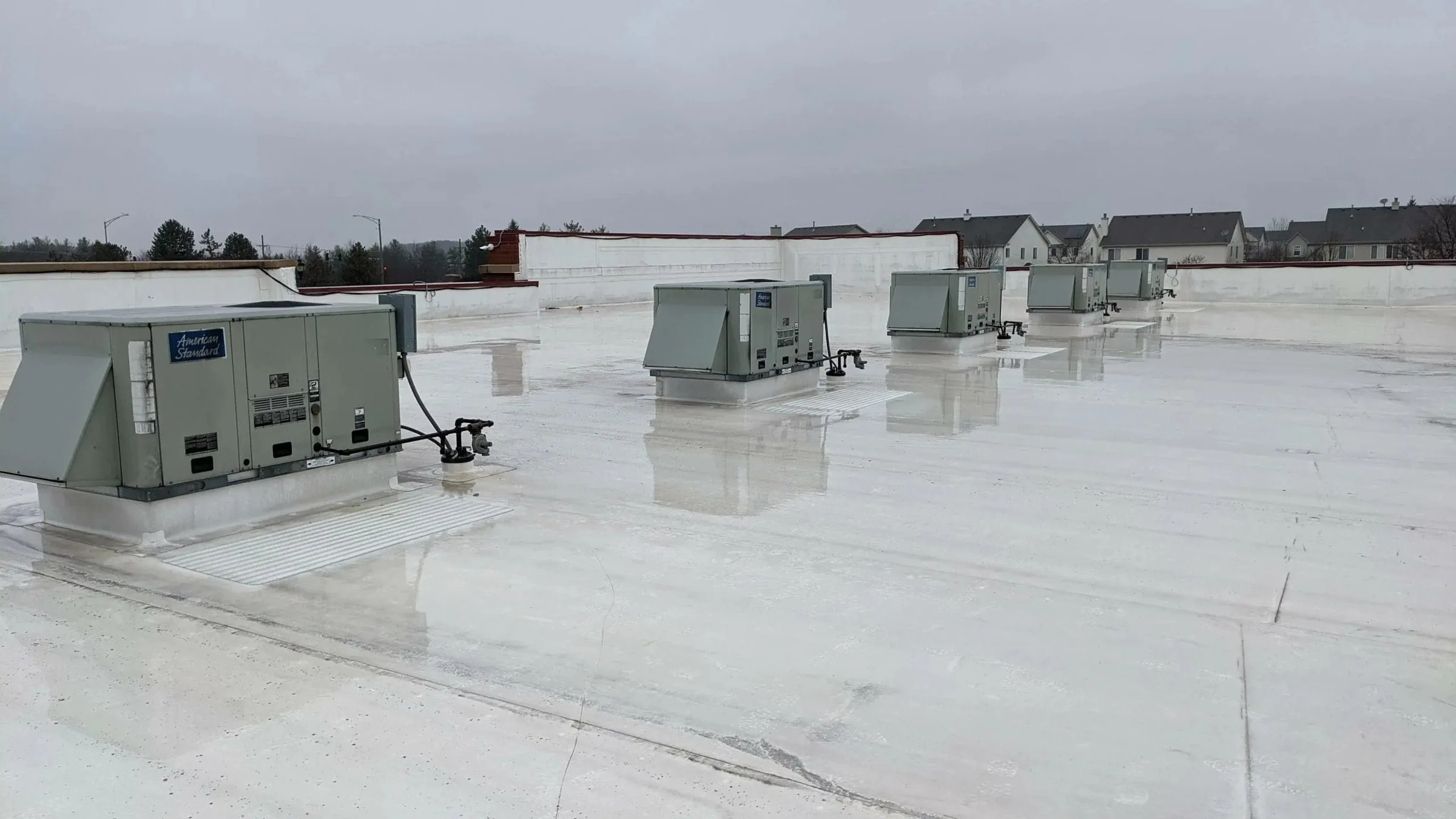
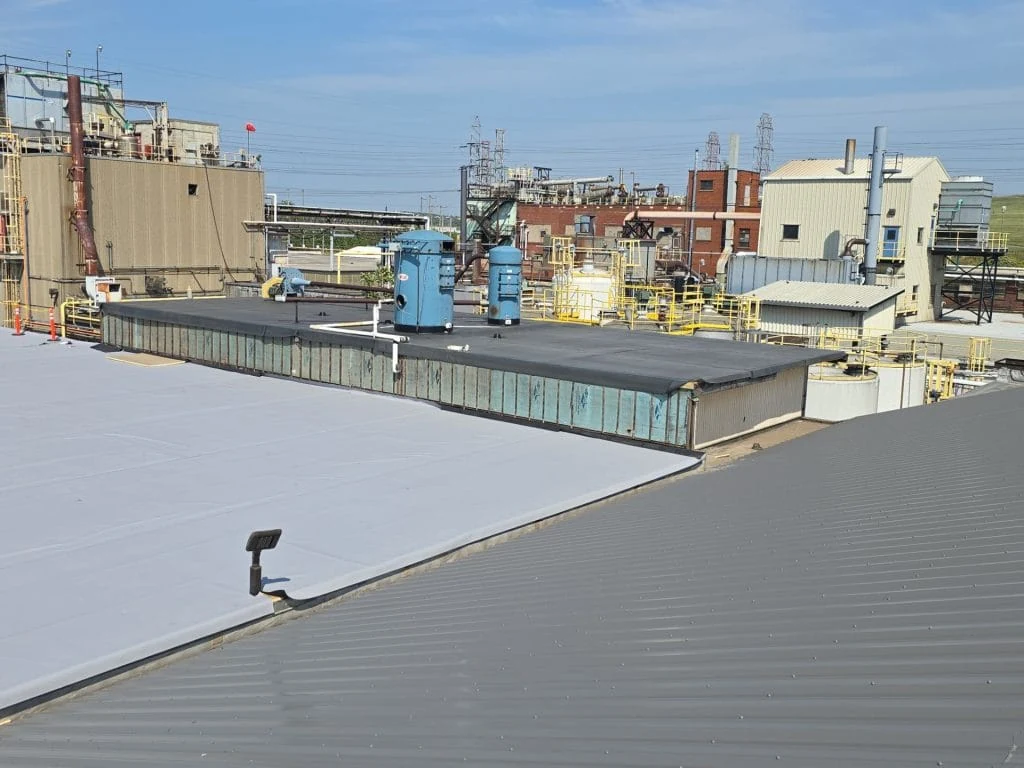
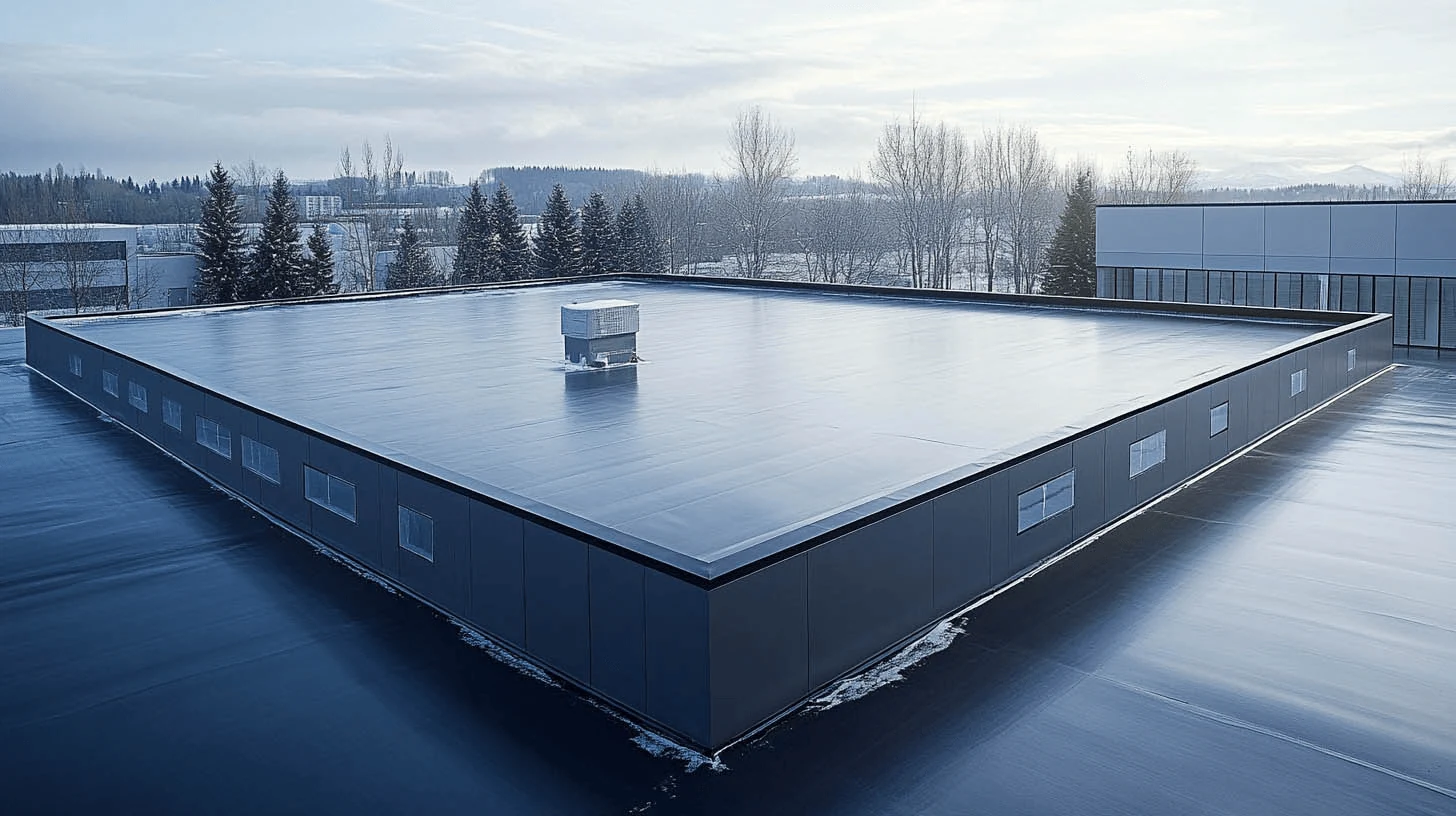
When a facilities manager asks us to price a flat-roof reroof in Canton, 60-mil TPO is where the estimate usually starts. It is the thickness that shows up in most manufacturer spec books as the standard commercial grade, and it is the one we install most often across the manufacturing buildings, distribution flex space, and retail boxes that make up the bulk of Stark County's low-slope roof stock.
Why 60-Mil Is the Baseline, Not the Upgrade
A lot of owners assume thicker automatically means better and start the conversation asking for 80-mil. For a roof with a normal service load — a handful of rooftop units, occasional maintenance foot traffic, no forklifts or racking up top — 60-mil TPO carries enough puncture and tear resistance to do the job for its full design life. The membrane is manufactured with a reinforced scrim, so the extra 20 mils in the heavier version mostly buys you margin for abuse, not baseline durability.
We spec 60-mil on the majority of the manufacturing-plant and industrial-flex reroofs we bid around Jackson Township, Perry Township, and the Belden Village retail corridor. It keeps material cost per square down without pushing risk onto the building.
How the Seams Actually Hold Up Through an Ohio Winter
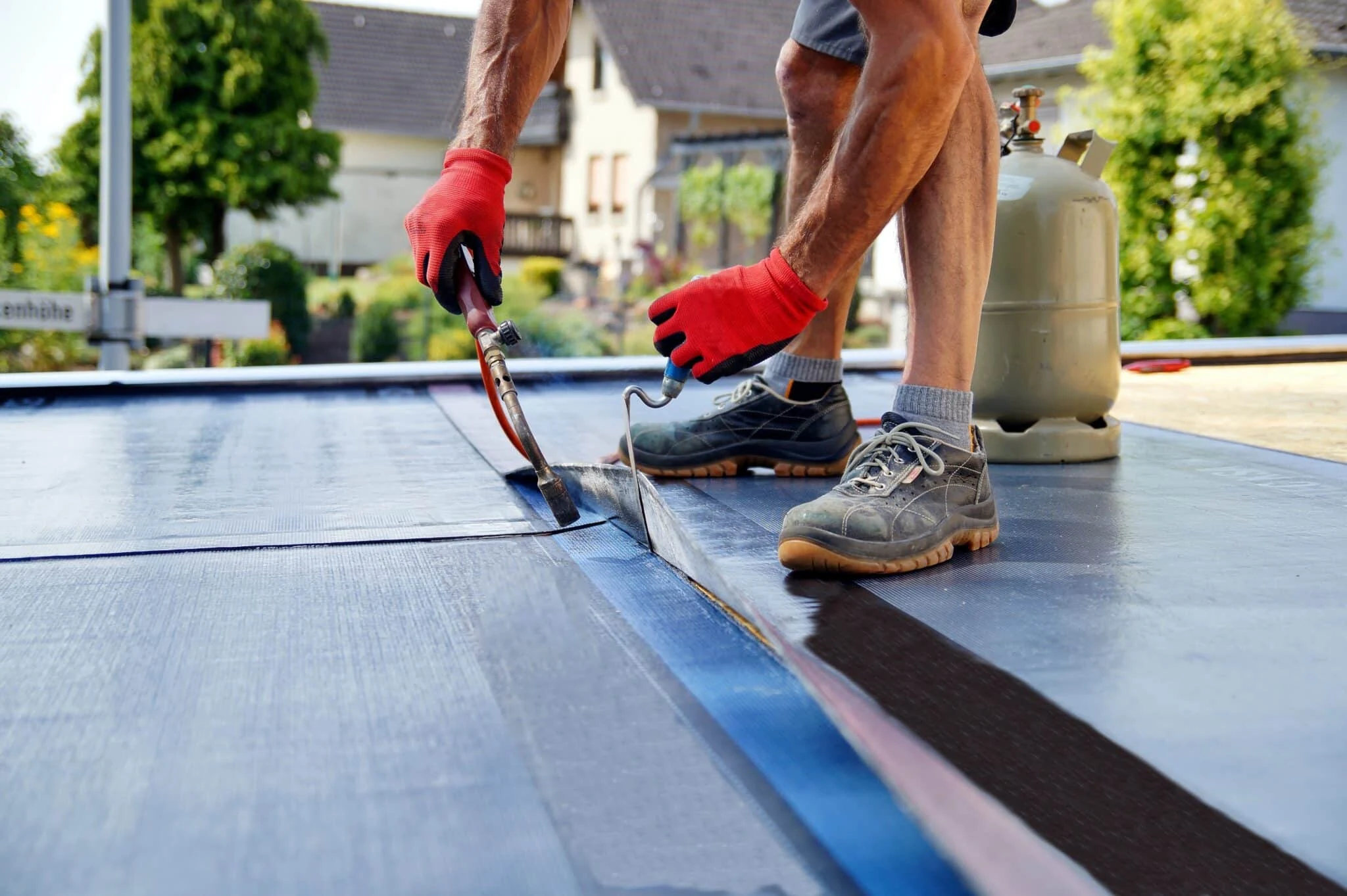
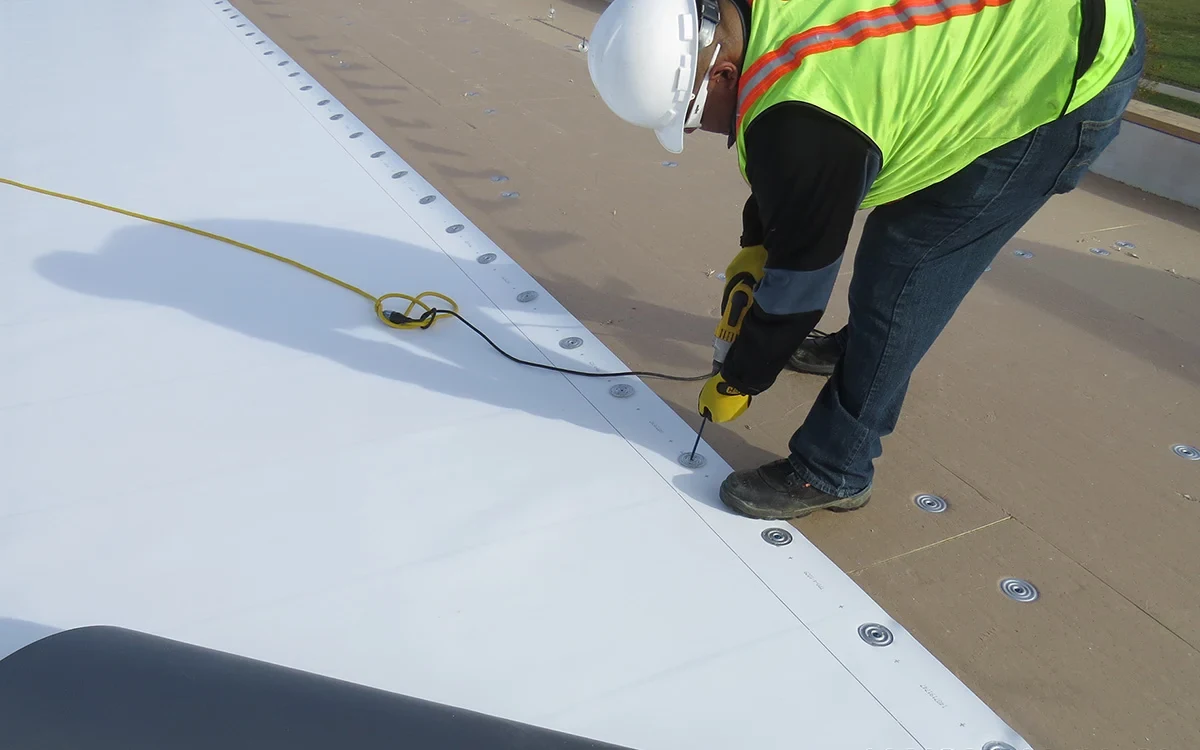
TPO sheets are joined with hot-air welded seams that fuse the top and bottom sheets into one continuous layer at the lap. Unlike adhesive or tape seams, a properly welded TPO seam is chemically the same material on both sides of the joint, which matters a lot once you get into Canton's freeze-thaw cycle. The membrane contracts hard on the coldest nights in January and February, then expands again as it warms through the afternoon sun even in winter. Weak seams show that stress first — you will see fish-mouthing at lap edges before you ever see a membrane tear in the field.
Quality control on the weld is the single biggest variable in how a 60-mil roof performs over ten or fifteen years. We probe every seam during installation and again at annual inspections, because a seam that looks fine visually can still be under-welded.
Attachment Method Changes the Wind and Snow-Load Math
60-mil TPO gets installed three main ways on the roofs we work: mechanically attached with plates and fasteners through the insulation into deck, fully adhered with bonding adhesive, or induction-welded with plates set beneath the membrane so there is no exposed fastener pattern. Mechanically attached is the cheapest option and works fine on most low-rise industrial buildings, but the fastener rows create ridges that can trap standing water on a roof with marginal slope. On buildings carrying heavier snow accumulation against parapets or screen walls, we lean toward fully adhered or induction-welded to reduce membrane movement under load.
- Mechanically attached — lowest material and labor cost, best on buildings with adequate roof slope and simple geometry
- Fully adhered — smoother surface, better for roofs with ponding risk or heavy rooftop equipment traffic
- Induction-welded — no exposed fasteners, strong wind-uplift numbers, common choice on wider-open manufacturing roofs
- Recover over existing single-ply — lowest disruption when the deck and insulation are still sound
Where 60-Mil Falls Short
We do not spec 60-mil on roofs that see regular foot traffic from HVAC service crews walking between multiple rooftop units, or on roofs with rack-mounted equipment where a dropped tool or ladder is a realistic scenario. Kitchen exhaust areas, loading dock canopies where pallets sometimes get staged, and any roof section adjacent to a fire escape or roof-access ladder are places we'll bump the spec to 80-mil instead, even if it costs more per square.
If your maintenance log shows repeat punctures in the same zone of the roof, that is a signal the membrane thickness is wrong for how the building actually gets used, not that the crew is being careless.
Budgeting and Work-Order Reality
For most FMs, 60-mil TPO is the line item that lets a full reroof pencil out against competing capital requests in the same budget cycle — new rooftop units, parking lot resurfacing, interior renovations. It is not the cheapest system on the market, but it balances install cost against a service life that usually outruns the depreciation schedule most property owners are working from.
We walk every roof before quoting so the spec matches actual use, not a generic template. A roof over office space gets a different conversation than a roof over a manufacturing floor with rooftop dust collectors and frequent service calls.
Common Questions From Building Owners
How long does 60-mil TPO actually last in this climate?
With a properly welded install and a basic inspection routine, most of the 60-mil roofs we maintain in Stark County are still performing well past their manufacturer warranty period. Freeze-thaw cycling is hard on any membrane, but TPO's flexibility at low temperatures holds up better than older asphalt systems we've replaced.
Can 60-mil TPO go over an existing EPDM roof?
Sometimes, if the existing membrane and insulation pass inspection and the deck isn't wet underneath. We check moisture content with a scan before recommending a recover instead of a full tear-off — recovering over a wet substrate just traps the problem under a new membrane.
Does color matter for a plant with unconditioned interior space?
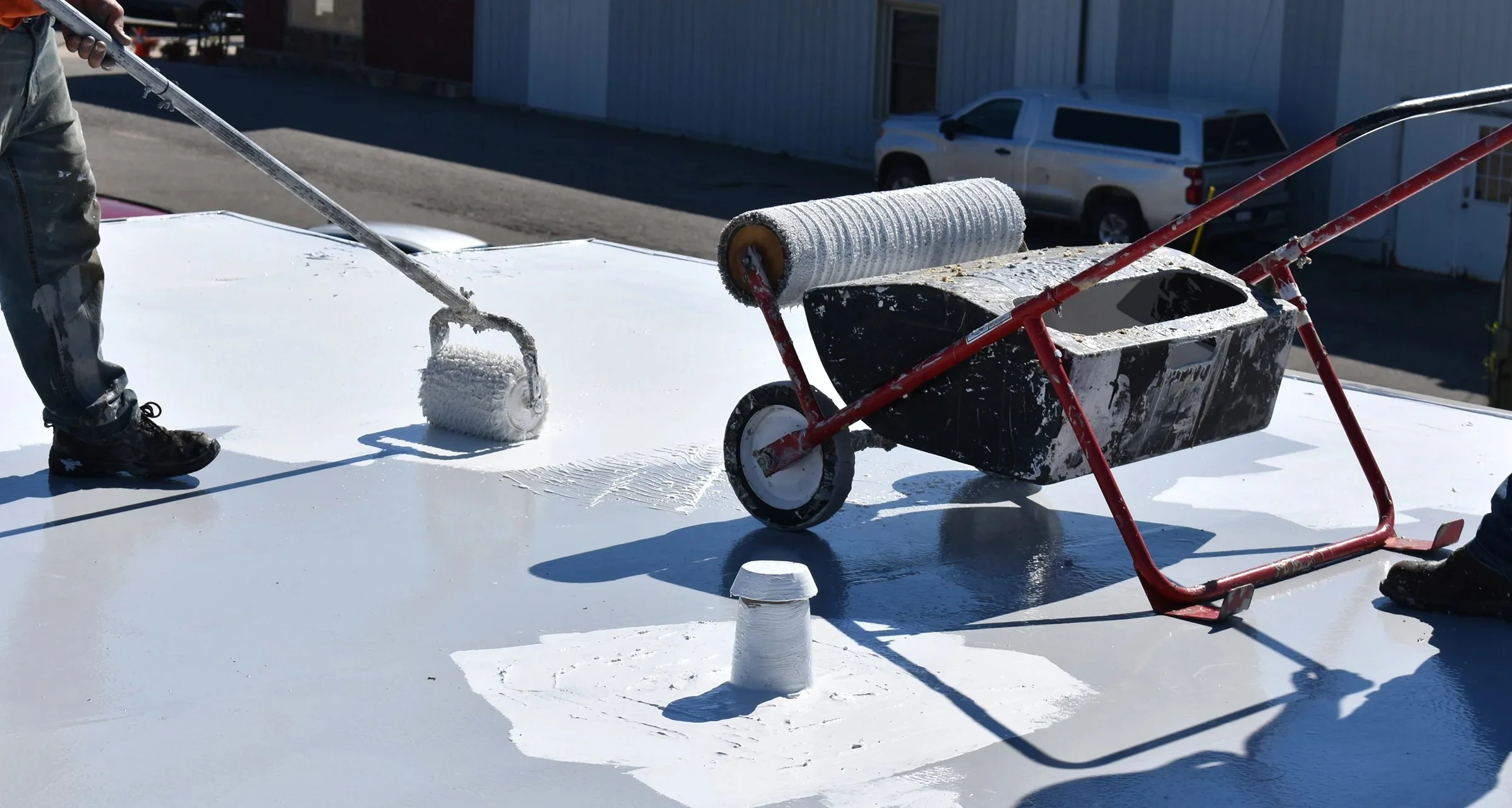
Less than people think. White TPO reflects UV and cuts rooftop surface temperature, which matters if you're paying to cool the space below. Over an unconditioned warehouse or manufacturing floor with heavy equipment heat load already, the energy savings are smaller, and we'll say so rather than sell reflectivity you won't use.
What causes most of the TPO seam failures you see on service calls?
Under-welded seams from the original install, almost every time. It shows up as fish-mouthing or lap edge lift, usually near penetrations or where two crews' work met on a large roof. It's rarely a membrane defect — it's a workmanship issue we catch on inspection and repair before it becomes a leak.
Is 60-mil TPO a good fit for a roof that's mostly walked by maintenance staff?
Yes, for routine PM visits and filter changes it holds up fine. Where we upgrade the spec is when the roof sees frequent contractor traffic hauling equipment or materials across it, more than a tech checking a unit.