
Service Area
Assessment
Office
Buildings
Planning
Closeout



Roofing for Manufacturing Plants and Machine Shops Around Canton
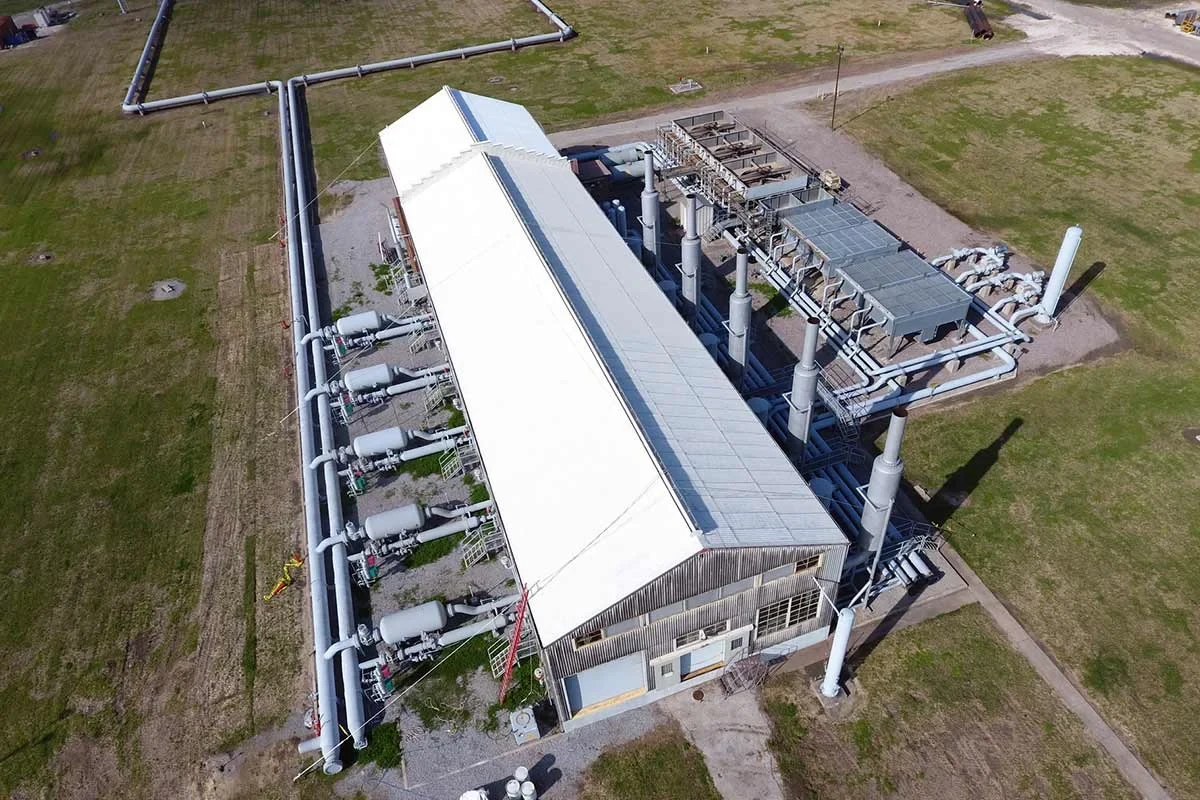
Canton grew up as a bearing and steel town, and a lot of that plant stock is still running today. We work on roofs over active production floors where a leak isn't a nuisance, it's a line-down call, and the roof plan has to respect that from the first walk to the final punch list.
A Plant Base That Still Traces Back to Bearings and Steel
Timken started making tapered roller bearings in Canton in 1899, and the plant ecosystem that grew up around that company still shapes the local manufacturing base. Bearing production, steel processing, and the machine shops and tool-and-die suppliers that feed them sit on roofs that were often built in phases over fifty or sixty years, with additions bolted onto additions.
Massillon's food processing and steel plants and the manufacturers still running in Alliance follow the same pattern. When we quote a roof for one of these buildings, we're rarely looking at a single clean deck. We're looking at a patchwork of built-up sections, metal retrofits, and newer TPO or PVC recover areas, each with its own history and its own failure points.
Reading a Roof Over an Active Production Floor
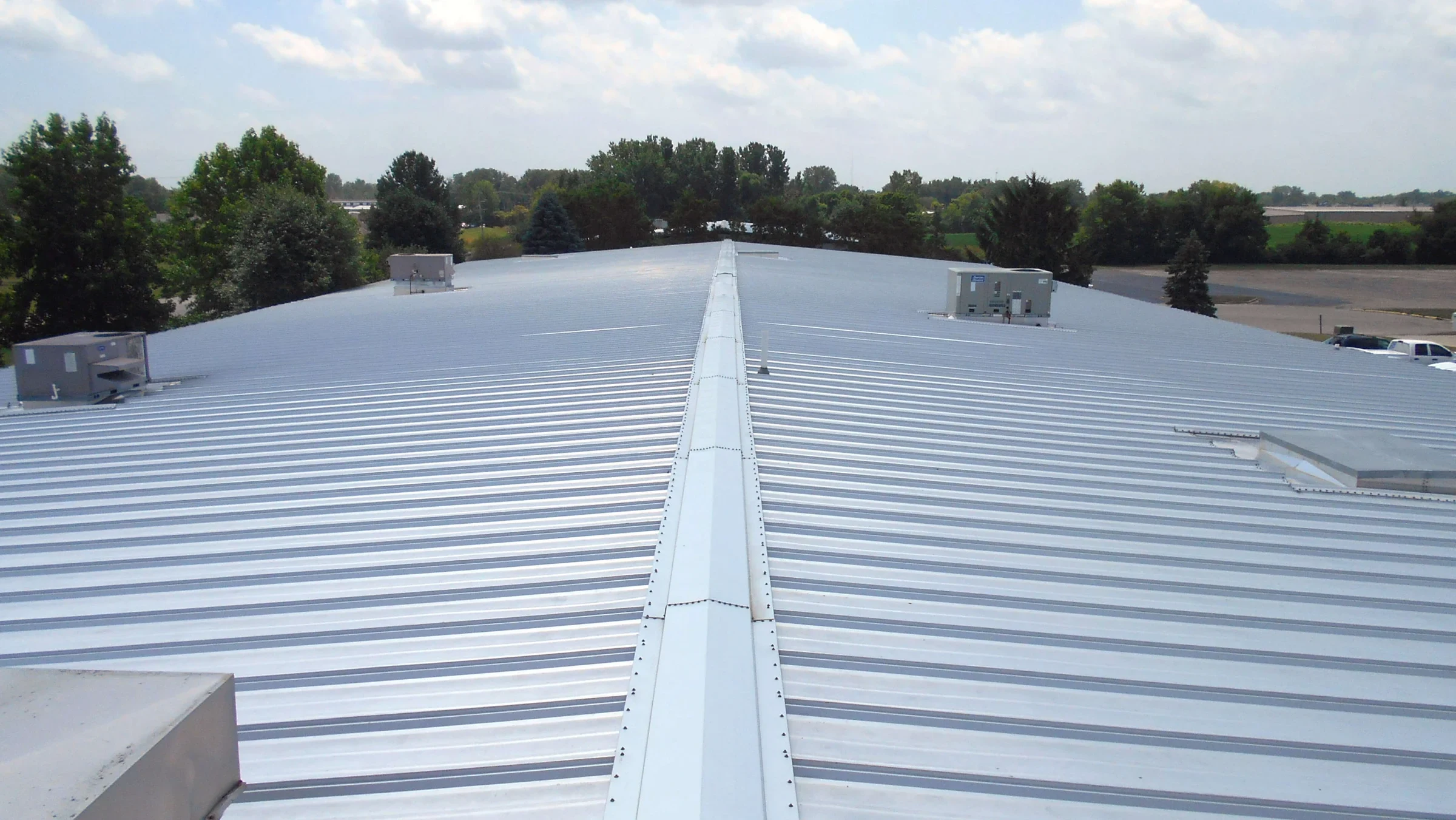
Before we talk system or price, we walk the roof and the floor below it together. Crane rails, process exhaust, dust collection, paint booths, and quench operations all put stress on the roof deck and the equipment curbs above them that a standard warehouse never sees. We note where heat rises off equipment, where vibration has worked seams loose, and where old skylights or smoke vents have become the weak point in an otherwise sound membrane.
Deck condition matters more here than on most commercial buildings. Older plants built on steel deck with decades of coating and re-coating can hide corrosion under a membrane that still looks fine from above. We check drainage, insulation moisture, and deck integrity as a set, because fixing one without checking the others just moves the next leak somewhere else on the same roof.
Working Around Shift Schedules Instead of Against Them
A plant running three shifts doesn't have a slow week we can wait for. We build the roof schedule around the production calendar, not the other way around, and that means a real conversation up front about what we need from a facilities team to make the work happen without a shutdown.
- Confirmed roof access points that don't cross active production or forklift lanes
- A defined staging area for materials that keeps trucks clear of shipping and receiving
- Noise and odor windows, especially for kettle work or hot-applied systems near occupied space
- Coordination with maintenance on any rooftop equipment that has to stay running during the job
- A daily dry-in plan so an open section of roof is never left exposed overnight
- Sign-off points where plant leadership can inspect progress without stopping the line
Most of this coordination is settled before the first crew shows up. A plant manager who knows exactly when crews will be on the roof, where they'll stage, and how the building stays dry overnight can plan around the work instead of reacting to it.
Dust, Exhaust, and Process Penetrations
Manufacturing roofs collect penetrations that don't show up on a typical commercial building. Exhaust stacks from paint lines, dust collector ductwork, and process piping all cut through the membrane, and each one is a place where a poorly detailed flashing eventually leaks. We treat these penetrations as their own scope item rather than an afterthought tacked onto a broader tear-off.
Grease and process residue also age a membrane differently than plain weather exposure. Where exhaust discharges near the roof surface, we look for softened or degraded membrane and factor that into the system recommendation, sometimes favoring a system like PVC roofing where chemical exposure is a real concern over a straight EPDM assembly.
Snow Load and Freeze-Thaw on Older Plant Roofs
Stark County winters put real weight and real stress on these roofs. Older plant buildings, especially ones with low-slope sections tied into higher roof monitors or clerestory bays, can accumulate drift snow against a parapet or a taller adjacent structure. We check those transition points and drain paths specifically, because a roof that handles a flat, even snow load fine can still back up water at a drift zone during the spring thaw.
Freeze-thaw cycling also works on old sealant and flashing details faster than most plant maintenance schedules catch. A roof inspection timed for early spring, after the winter cycling and before summer storm season, catches split sealant and lifted metal while it's still a repair instead of a leak investigation.
What Plant Managers Ask Before They Call Us
Can you work around a production schedule that doesn't have downtime?
Yes, and that's the normal case, not the exception, for most of the plants we work on. We build the access plan, staging plan, and daily dry-in sequence around your shift schedule, not a generic workday. If a section of the building genuinely cannot tolerate any roof activity during certain hours, we plan the sequence around that window.
How do you handle a roof with exhaust and dust collection penetrations?
We inventory every penetration during the walk and price flashing and curb work as its own line item, not a rough allowance. Process penetrations are usually where an older plant roof fails first, so we don't treat them as an afterthought to the field membrane.
Will you recommend replacement if repair is still the right call?
We tell you what the roof actually needs. A lot of plant roofs we walk are recoverable with targeted repair, reinforcement, or a coating system, and we say so when that's true. Where insulation is saturated across meaningful area or the deck itself is compromised, we explain why repair would just be a temporary fix.
What happens if you find deck corrosion mid-project?
We stop and document it before proceeding. On older steel deck buildings, hidden corrosion is common enough that we build a contingency conversation into the proposal up front, so nobody is surprised by a change order and nobody is pressured to cover corroded deck without addressing it.
Can this be scheduled around a planned plant shutdown?
If your facility has an annual maintenance shutdown, that's often the best window for larger tear-off work, and we'll plan the material lead time and crew size to make the most of it. We can also work in phases across multiple shorter windows if a single shutdown period isn't available.