
Service Area
Assessment
Office
Buildings
Planning
Closeout


Sorting Real Storm Damage From Cosmetic Wear
Not every mark on a roof after a storm is storm damage, and not every real storm hit is obvious from the ground. Commercial Roofing Contractors of Canton walks the roof after a wind or hail event and gives you a straight read on what actually happened — functional damage that needs repair, cosmetic marking that doesn't affect performance, and pre-existing wear that the storm just made easier to notice.
What Wind Actually Does to a Flat Commercial Roof
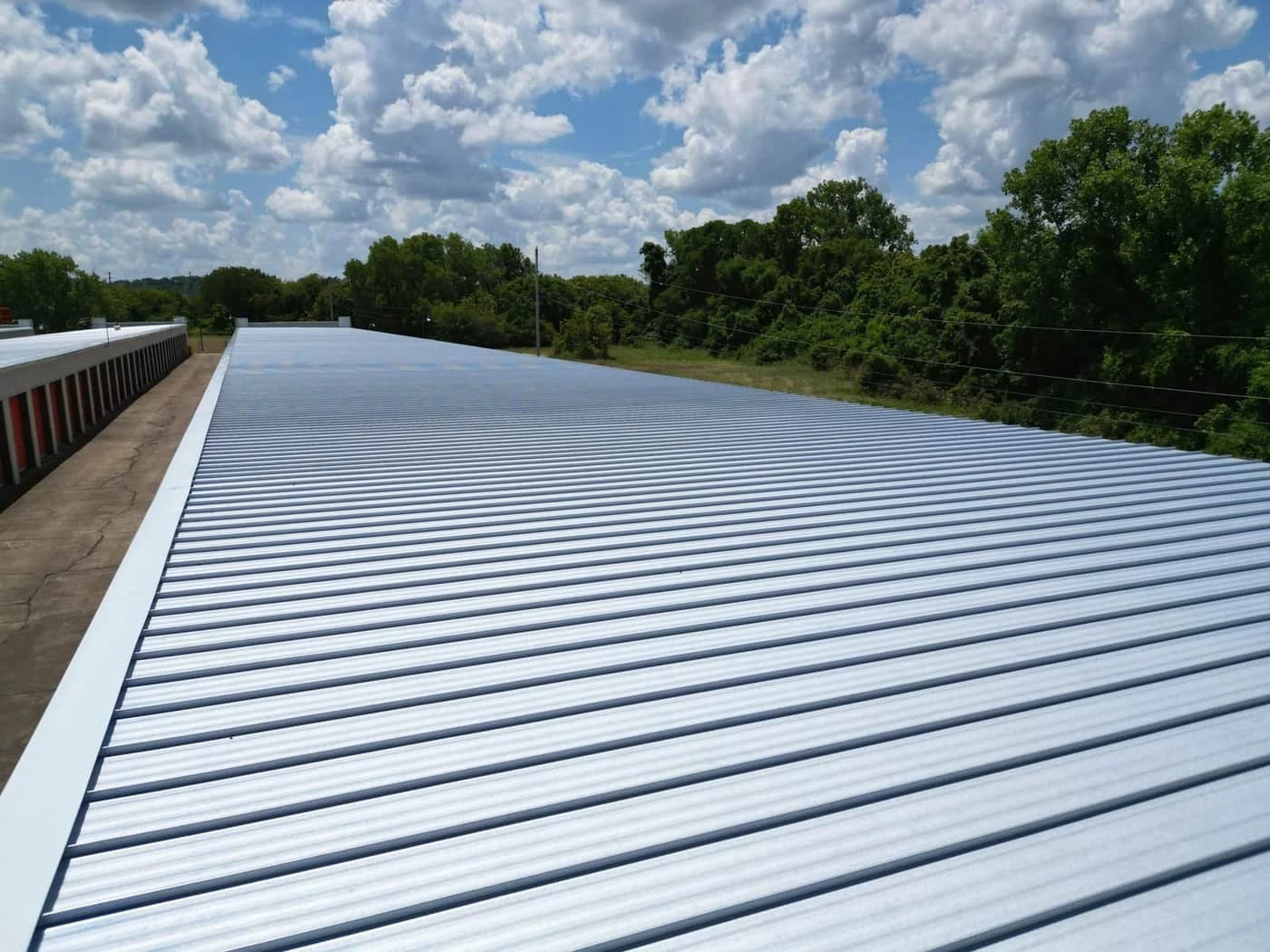
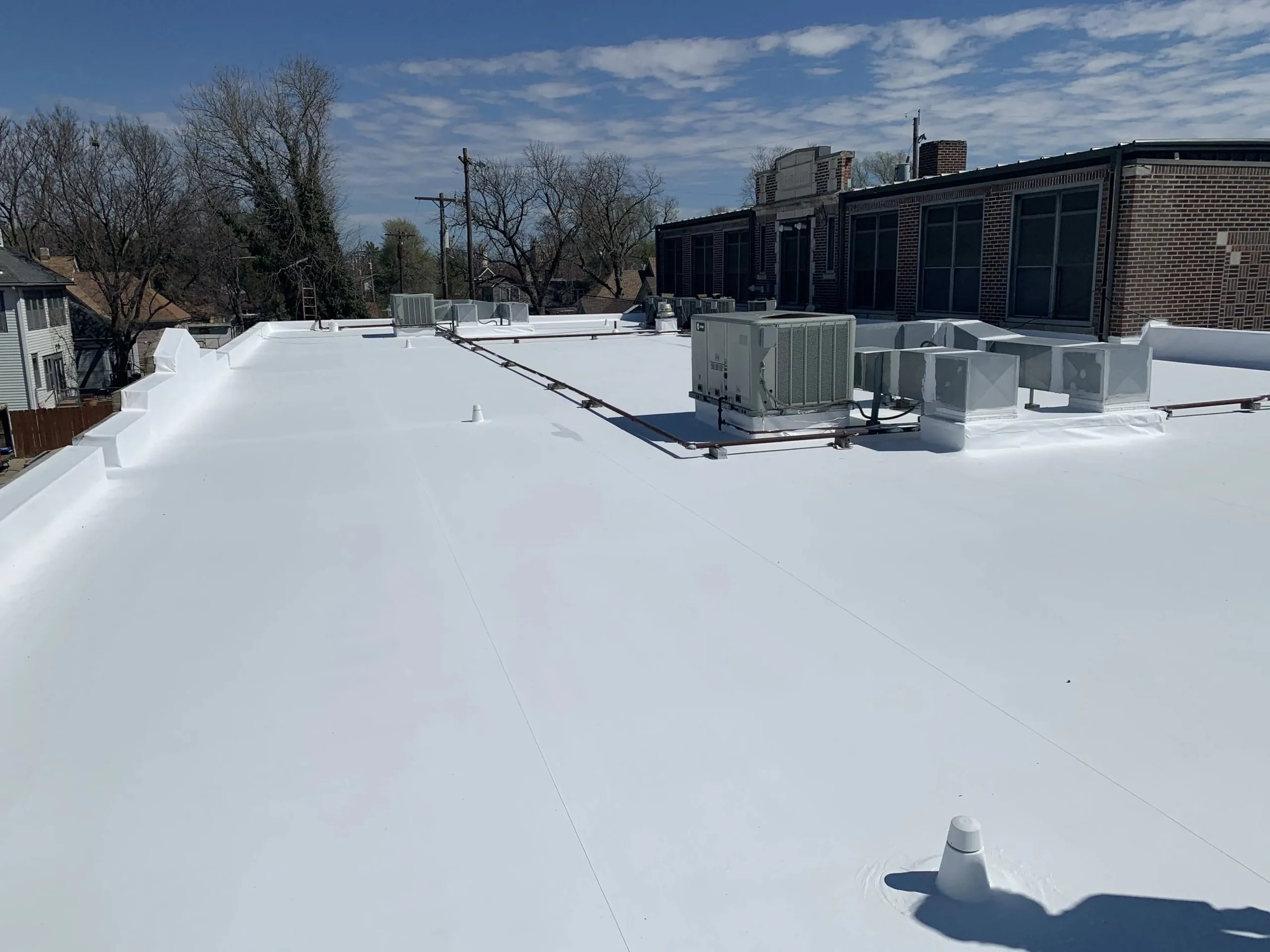
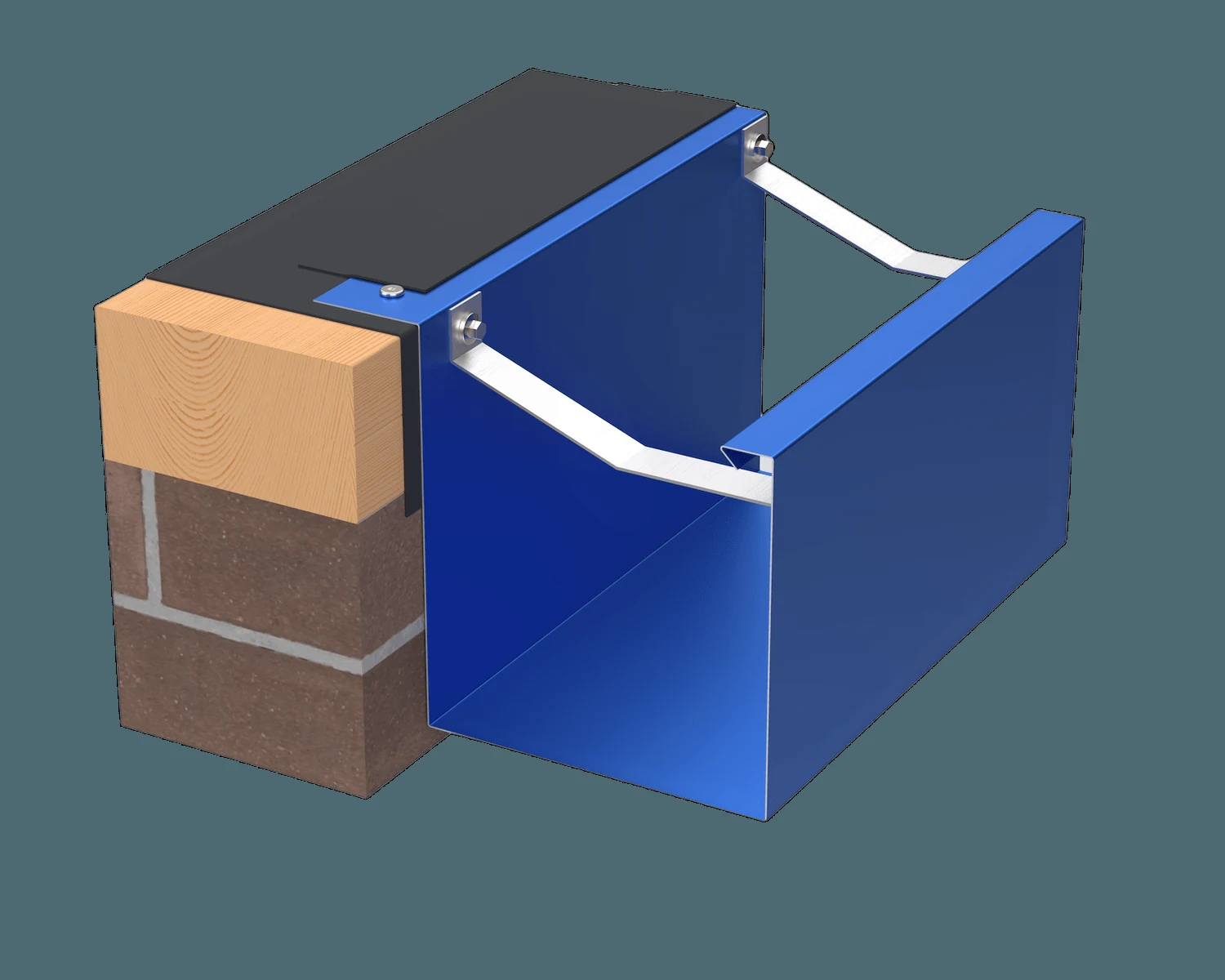
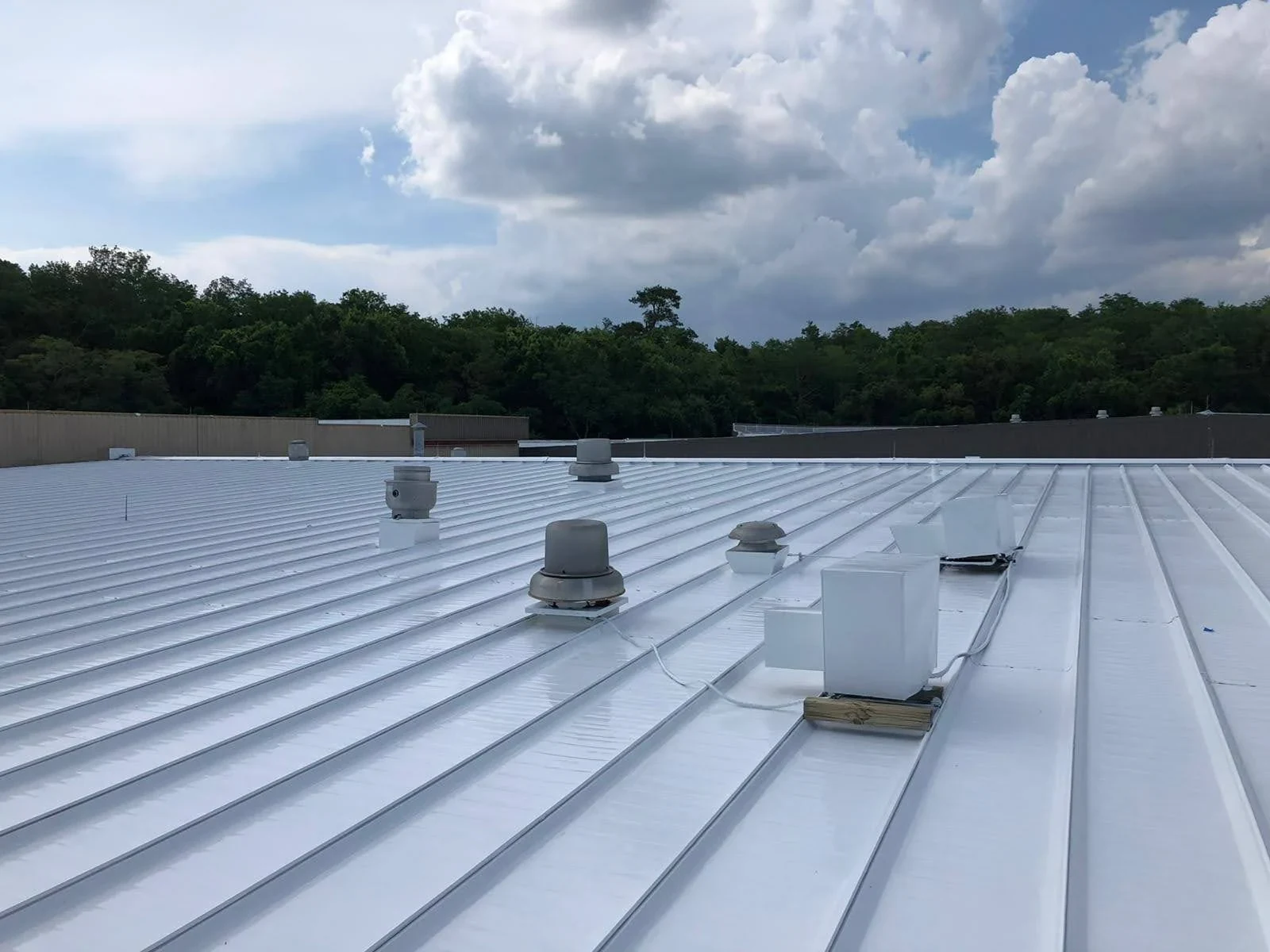
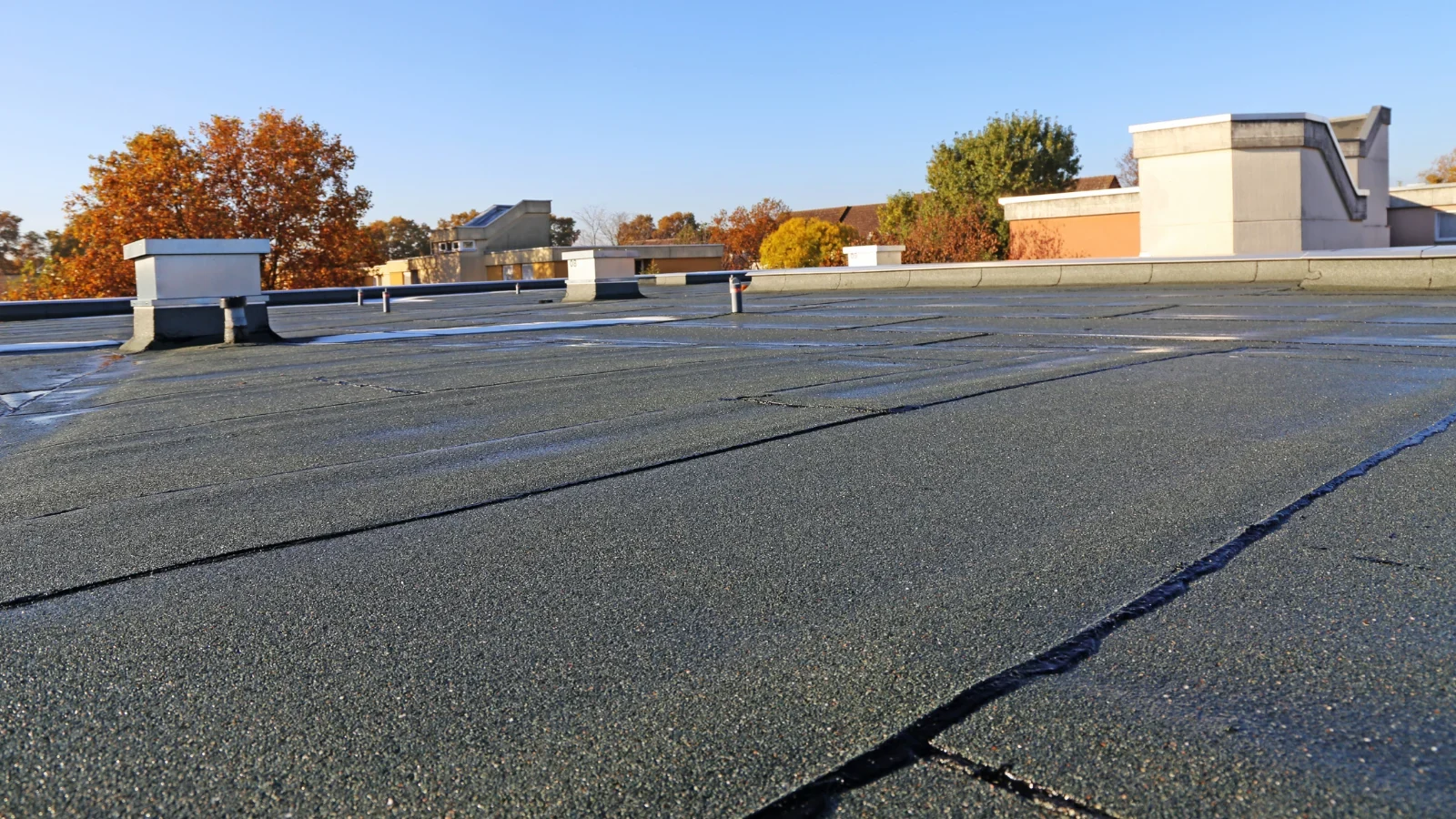
Wind damage on a single-ply or built-up roof usually shows up first at the edges — lifted or torn edge metal, membrane pulled loose from the perimeter fastening, or a seam that's opened up where uplift pressure concentrated. Rooftop units and their curbs are another common failure point, since wind can rock a unit enough to tear the flashing sealing it to the membrane. On metal panel roofs, we're looking for panels that have shifted or fasteners that backed out under repeated flex during sustained gusts.
The damage is often worse than what's visible from a ground-level look at the roofline, which is why we always walk the full field rather than stopping at the edges after a reported wind event.
On the large industrial roofs common along the I-77 corridor and around the Timken manufacturing complex, a single wind event can lift edge metal in several unconnected spots across one roof. We map every location we find rather than fixing the first one and assuming the rest of the field came through clean.
What Hail Actually Does — and Doesn't Do
Hail damage on membrane roofing is easy to overstate and easy to understate depending on who's looking. Small hail can leave cosmetic bruising on some membranes without compromising the waterproofing — that's a documentation item, not necessarily a repair item. Larger hail can fracture brittle or aged membrane, crack metal panel coatings, or dent rooftop equipment housings in ways that do affect function. We check granule loss patterns, membrane flexibility at the impact points, and whether the substrate underneath shows any sign of compromise before calling something hail damage that needs repair.
What We Check on a Post-Storm Walk
- Edge metal, coping, and perimeter fastening for lift or separation
- Membrane seams across the entire roof field, including the interior areas away from the edges
- Flashing integrity at every rooftop penetration and curb
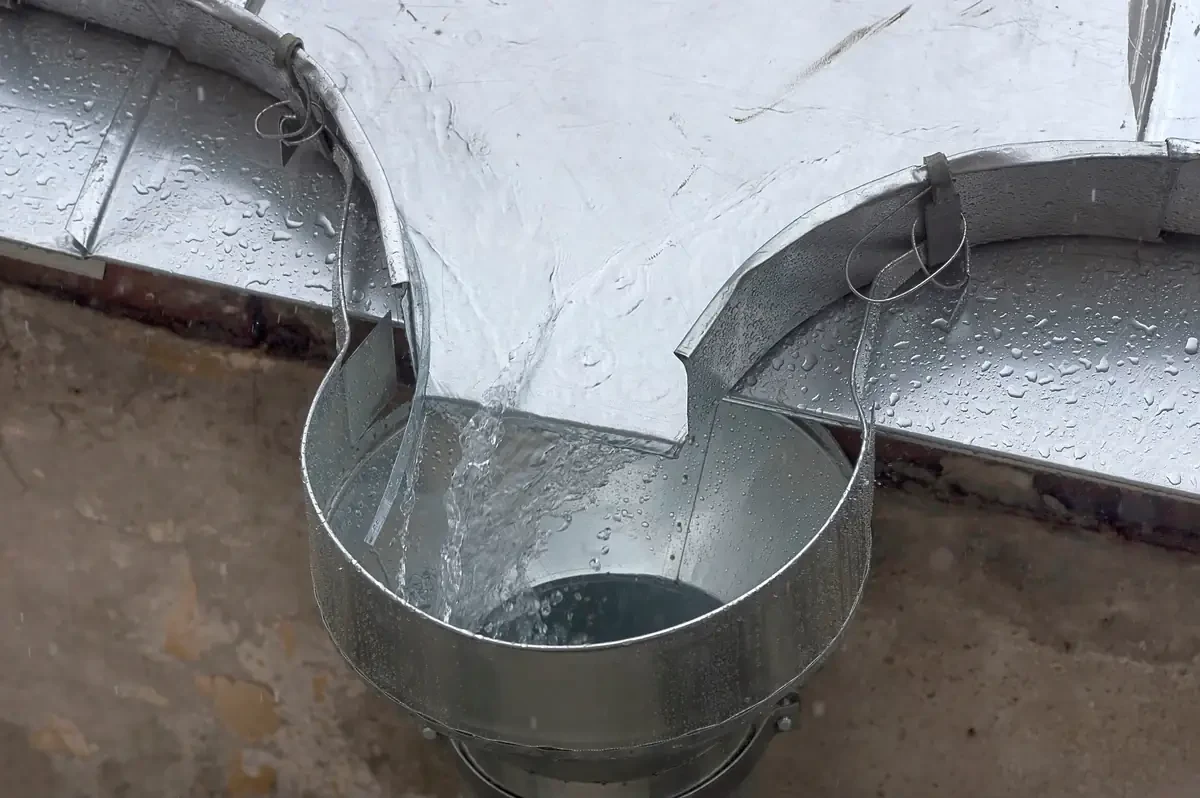
- Drain and scupper function, since storm debris commonly blocks them
- Rooftop equipment housings and mounting for wind or hail impact
- Interior ceiling checks below the roof for any early sign of intrusion
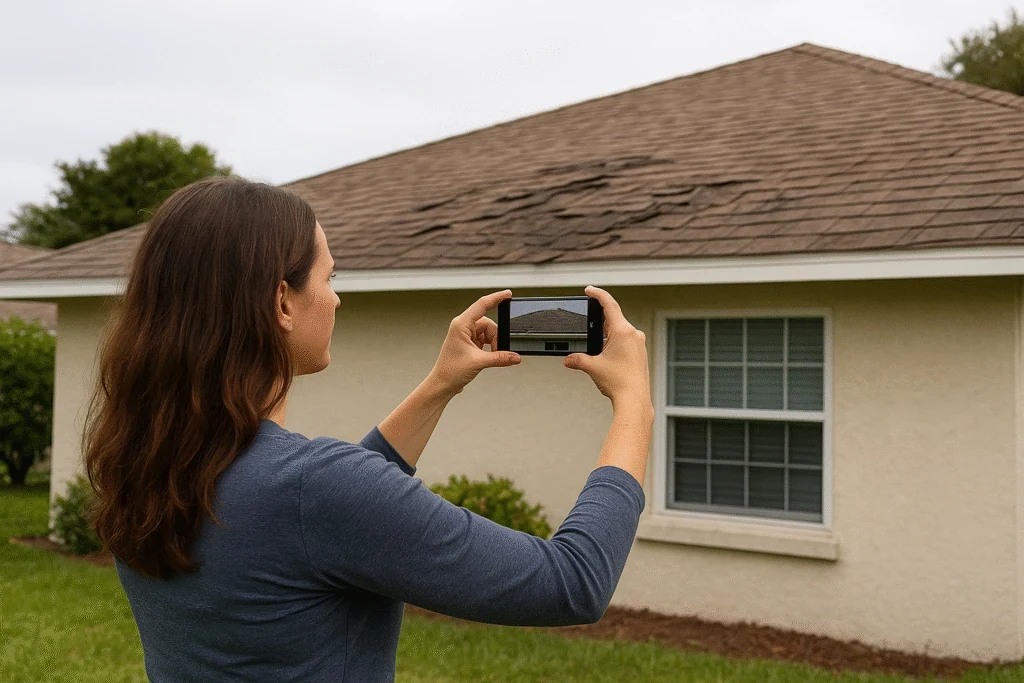
We photograph every finding with enough context — location on the roof plan, close-up of the damage — to support whatever comes next, whether that's a repair scope or a conversation with your insurance carrier.
Repair or Something Bigger
Most storm damage on a well-maintained roof is a repair, not a replacement — resealing lifted edge metal, patching a torn membrane section, replacing a damaged flashing detail. But a storm sometimes exposes that a roof was already close to end of life, and the damage just accelerated a decision that was coming anyway. We separate those two conversations clearly: here's what the storm caused, and here's what was already there before the storm hit. You should never be paying storm-repair pricing for pre-existing wear, and we won't present it that way.
Storm Season Around Stark County
Spring into early summer is when Northeast Ohio sees its most active severe weather — straight-line wind events strong enough to lift edge metal across a wide swath of the county in a single system, along with the occasional damaging hail cell riding through with a stronger thunderstorm. Buildings with older roofs or roofs that have gone a while without maintenance tend to take the brunt of it, since a membrane that's already lost adhesion has far less margin against wind uplift than one that's been kept up.
We also get calls after a milder system that wouldn't register as a named severe weather event but still ran sustained gusts through Stark County long enough to work at a marginal edge detail. Those calls are worth taking seriously too — the roof doesn't know the difference between a named storm and an ordinary front, it just responds to sustained wind load either way.
If you're not sure whether a given system was strong enough to warrant a look, call anyway. A short roof walk to rule out damage costs you far less than discovering a slow leak three months later that traces back to a wind event nobody thought to check on.
What Comes Up After a Storm Call
How soon after a storm should we get a roof checked?
As soon as reasonably possible, even if nothing's visibly wrong from the ground. Small openings widen fast with the next rain.
Will you tell us if the damage is cosmetic and doesn't need repair?
Yes. We're not going to write a repair scope for damage that doesn't affect roof performance, and we'll explain the difference clearly.
Can you tell what's storm damage versus what was already there?
In most cases, yes, based on the pattern and location of the damage. We'll be upfront about it either way.
Do you document damage in a way that supports an insurance claim?
Yes, our post-storm assessments are photographed and written with enough detail to support a claim if you choose to file one.
What if the storm reveals our roof is near end of life anyway?
We'll say so directly and separate that conversation from the storm repair itself, so you can plan the bigger decision on its own timeline.