
Service Area
Assessment
Office
Buildings
Planning
Closeout

Warehouse Roofs Built for the Square Footage I-77 Demands
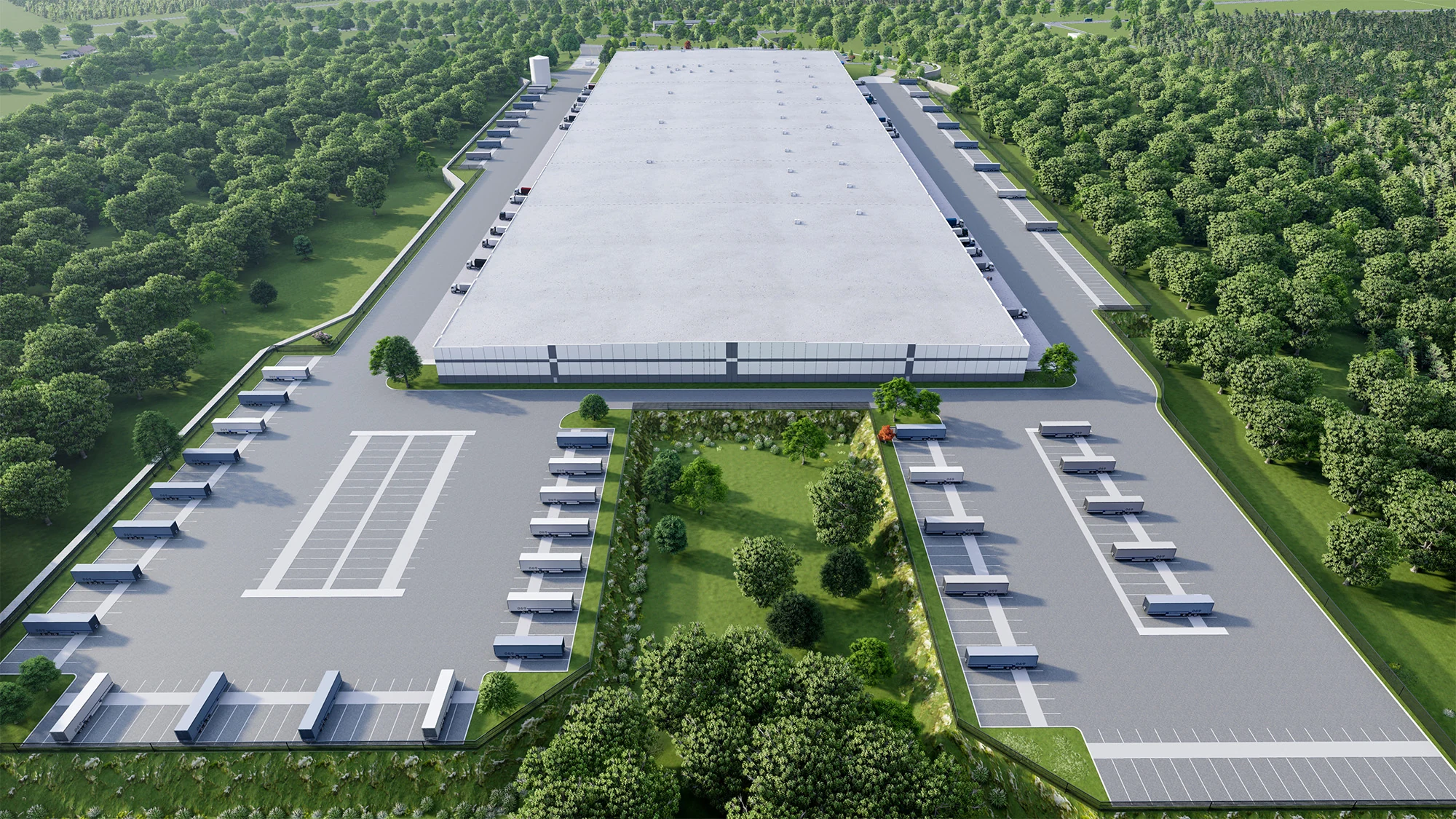
A warehouse roof in Stark County isn't measured in a few thousand square feet - it's measured in acres, and every acre of low-slope membrane is exposed to the same wind, hail, and ponding risk with a lot less margin for error than a smaller building. Below that roof sits racked inventory that a leak can ruin in an afternoon, which changes how we think about the whole system.
Wind Uplift on a Roof This Size
Large open-field warehouse roofs are more exposed to wind uplift than most building types, simply because there's more membrane surface for wind to grab at the perimeter and corners. Fastening patterns and attachment method matter more here than on a smaller retail building - a mechanically attached system needs the right fastener density at the perimeter zones, and a fully adhered or ballasted system needs the ballast or adhesive spec matched to the building's actual wind exposure, not a generic default.
We calculate wind uplift zones for the specific building, not a rule of thumb, because a warehouse sitting in open ground off a distribution corridor sees different wind loading at its corners than one tucked between other buildings in a business park.
Ponding Water on Roofs This Flat
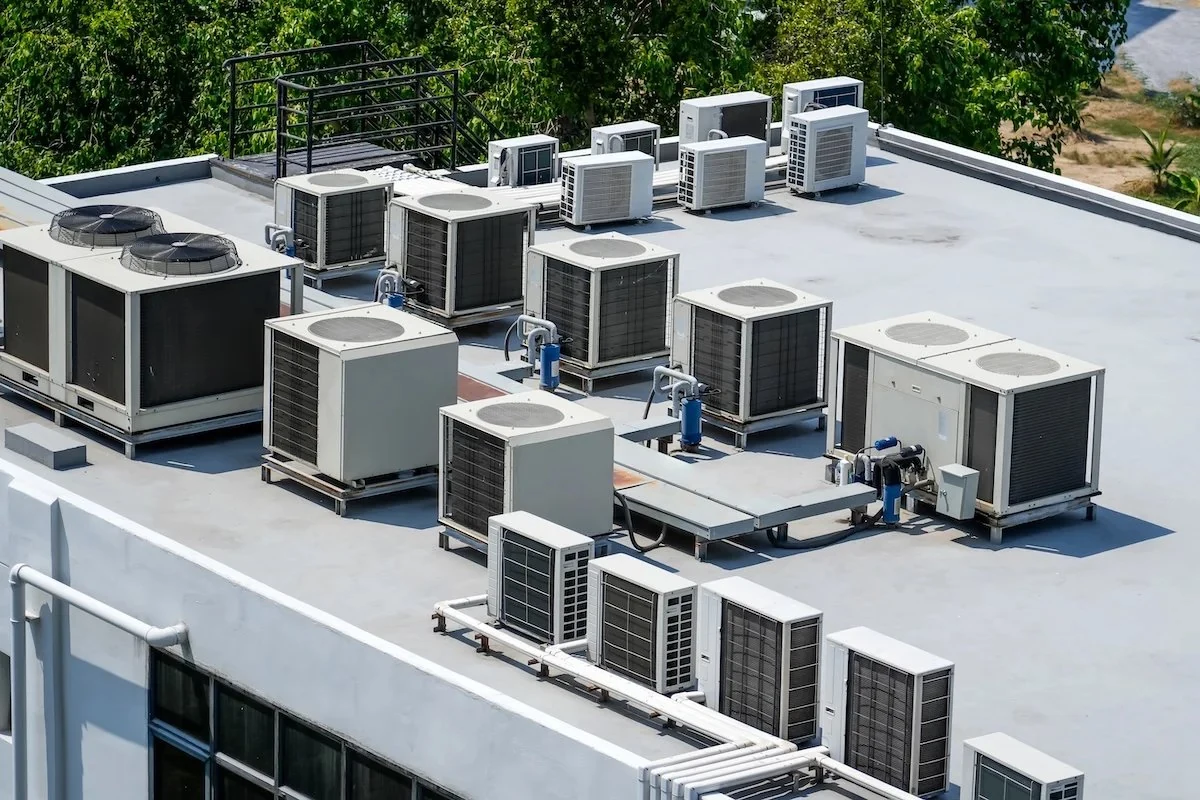
Low-slope doesn't mean no-slope, but plenty of older warehouse roofs were built closer to dead flat than the drainage plan called for, and decades of roof-mounted equipment additions have made the ponding worse by adding curbs that block sheet flow. Standing water that sits for more than 48 hours after a rain accelerates membrane aging and is one of the first things we flag on an inspection.
Fixing ponding usually doesn't mean tearing off the whole roof. Tapered insulation crickets at the low points, cleared and enlarged drains, or a targeted regrade of the problem sections can solve most ponding issues without a full replacement.
What's Racked Below Changes How We Work Above
A leak over an office suite is an inconvenience. A leak over racked inventory - especially anything on high steel shelving where water runs down through multiple levels before anyone notices - can be a real loss event. We prioritize inspection and repair scheduling around what's stored below each section of roof rather than the membrane condition alone, and we flag high-value storage zones for tighter inspection intervals.
Signs a Warehouse Roof Needs Attention
- Ponding water still visible 48 hours after the last rain
- Membrane blistering or fishmouthing at seams across large open field areas
- Rusted or undersized roof drains not keeping pace with roof size
- Smoke vents or skylights showing gasket failure or yellowing
- Interior racking or product showing water staining with no visible roof damage yet found
- Perimeter fastener heads backing out or visible along parapet edges
Access and Staging on a Building This Large
Getting crews, material, and equipment onto a warehouse roof of any real size means planning staging around active dock doors and truck traffic rather than picking a spot in the parking lot. We coordinate lift and crane staging with your dock schedule so tear-off and material delivery don't back up trucks trying to load or unload during the workday.
Recover, Replace, or Repair: Weighing the Options on a Large Field
On a roof this size, the cost difference between a recover system and a full tear-off and replacement is significant enough that it's worth a real evaluation rather than a default answer. If the existing insulation is dry and the deck is sound, a recover can extend service life at a fraction of the cost. If moisture has gotten into the insulation - which a scan will show - recover isn't the right call no matter how much cheaper it looks upfront.
We phase large warehouse roofs when that makes more financial sense than a single mobilization. Splitting a big field into two or three budget-year phases lets a facilities team spread capital spend without leaving the earlier-phase sections exposed, as long as we plan the phase lines around the building's existing drainage zones instead of cutting arbitrarily across the field.
Stark County gets its share of severe spring and summer storm cells, and a warehouse roof's sheer size means it's statistically more likely to take a hit somewhere across its field than a smaller building nearby. Hail bruising on a membrane doesn't always show as an obvious puncture right away - it can show up as accelerated granule loss or membrane thinning that only becomes a leak a year or two later. After any significant hail or wind event in the area, we walk warehouse roofs specifically looking for that kind of latent damage, not only active leaks.
Questions Warehouse Managers Ask Us Most
How do you keep dock operations running during a reroof?
We stage material away from active dock doors, sequence tear-off sections to avoid working directly over doors in use, and coordinate daily with your operations team on which doors need to stay clear.
Can a moisture scan tell us if it's worth saving the existing roof?
Yes. An infrared or capacitance moisture scan shows where insulation has already absorbed water, which tells us whether a recover is a real option or whether tear-off is the only responsible path.
What's causing the ponding near our loading dock addition?
Almost always a drainage conflict created when the addition's roof tied into the original roof without matching the slope plan. We can usually solve it with tapered insulation at the low point rather than a full regrade.
How often should a warehouse this size get inspected?
Twice yearly, plus after any significant wind or hail event. On a roof this large, small issues turn into large repair bills fast if they go a full season unnoticed.
Do you work with our insurance carrier after storm damage?
We document damage thoroughly and provide that documentation to you and your adjuster. See our insurance documentation support page for how that process works.