
Service Area
Assessment
Office
Buildings
Planning
Closeout
Hail Damage Roof Insurance Claims in Canton, OH
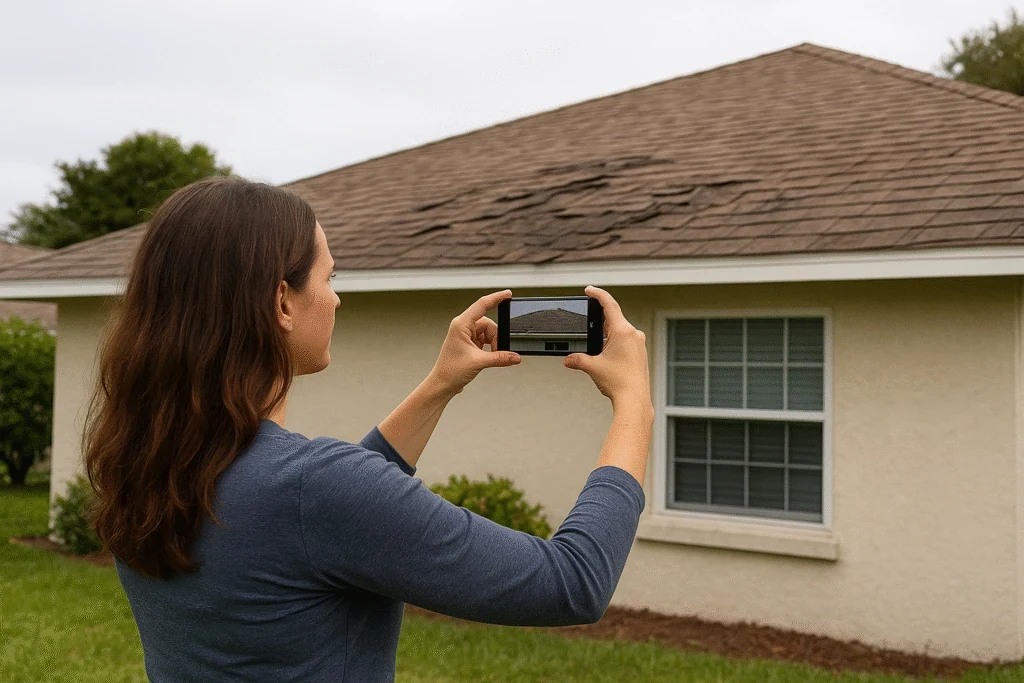
Hail is the storm-claim category most likely to get argued over, mostly because hail damage on membrane roofing genuinely can be hard to read from the ground — or even from a quick walk that doesn't check the right things. Commercial Roofing Contractors of Canton inspects hail-affected roofs across Stark County with the checks that actually separate functional damage from cosmetic marking, and documents the findings in a format built for a carrier's review. We're a roofing contractor, not a public adjuster — we don't negotiate your settlement, we make sure the roof gets an accurate technical read before that conversation happens.
What Hail Actually Does to a Commercial Roof
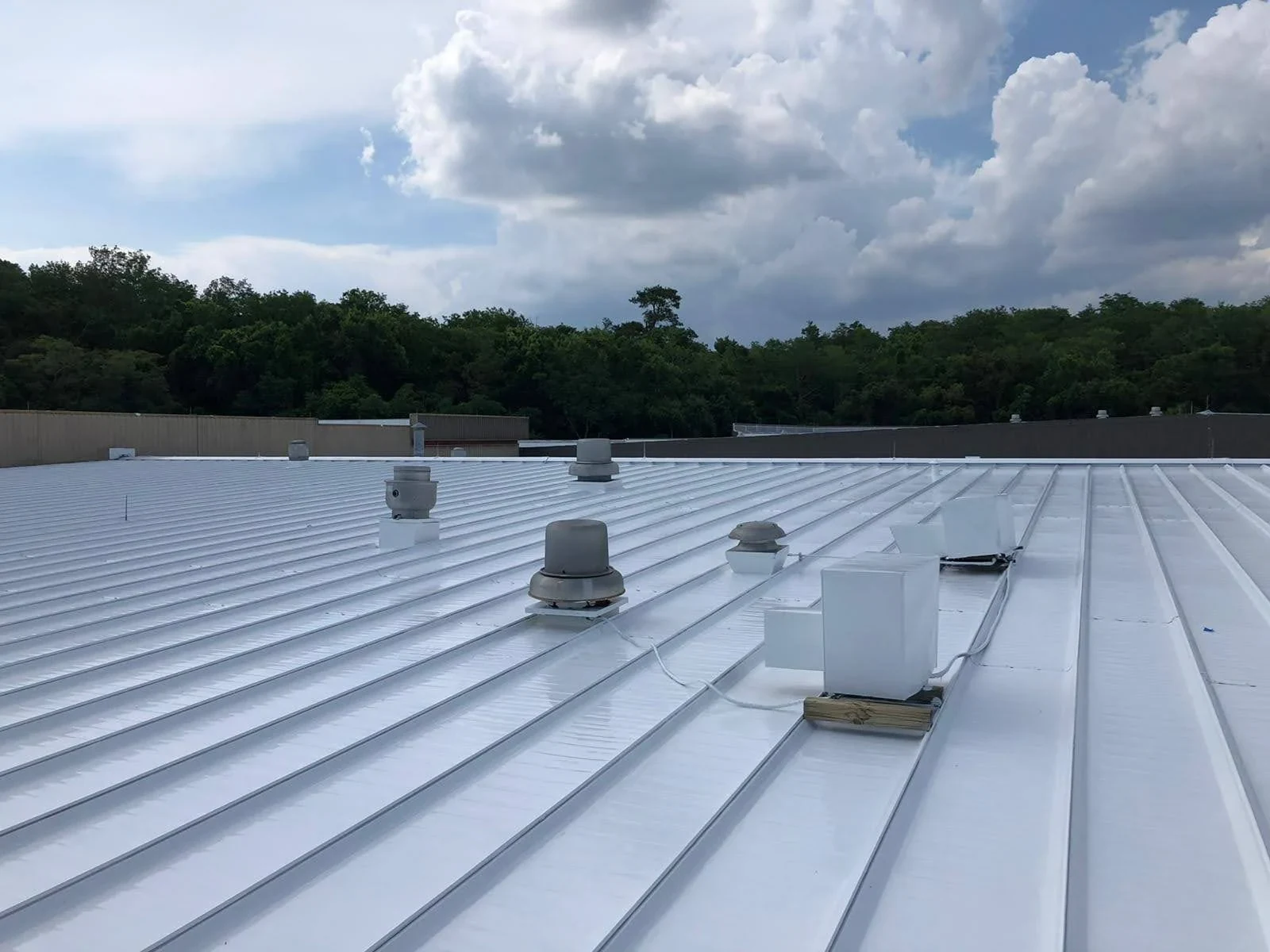
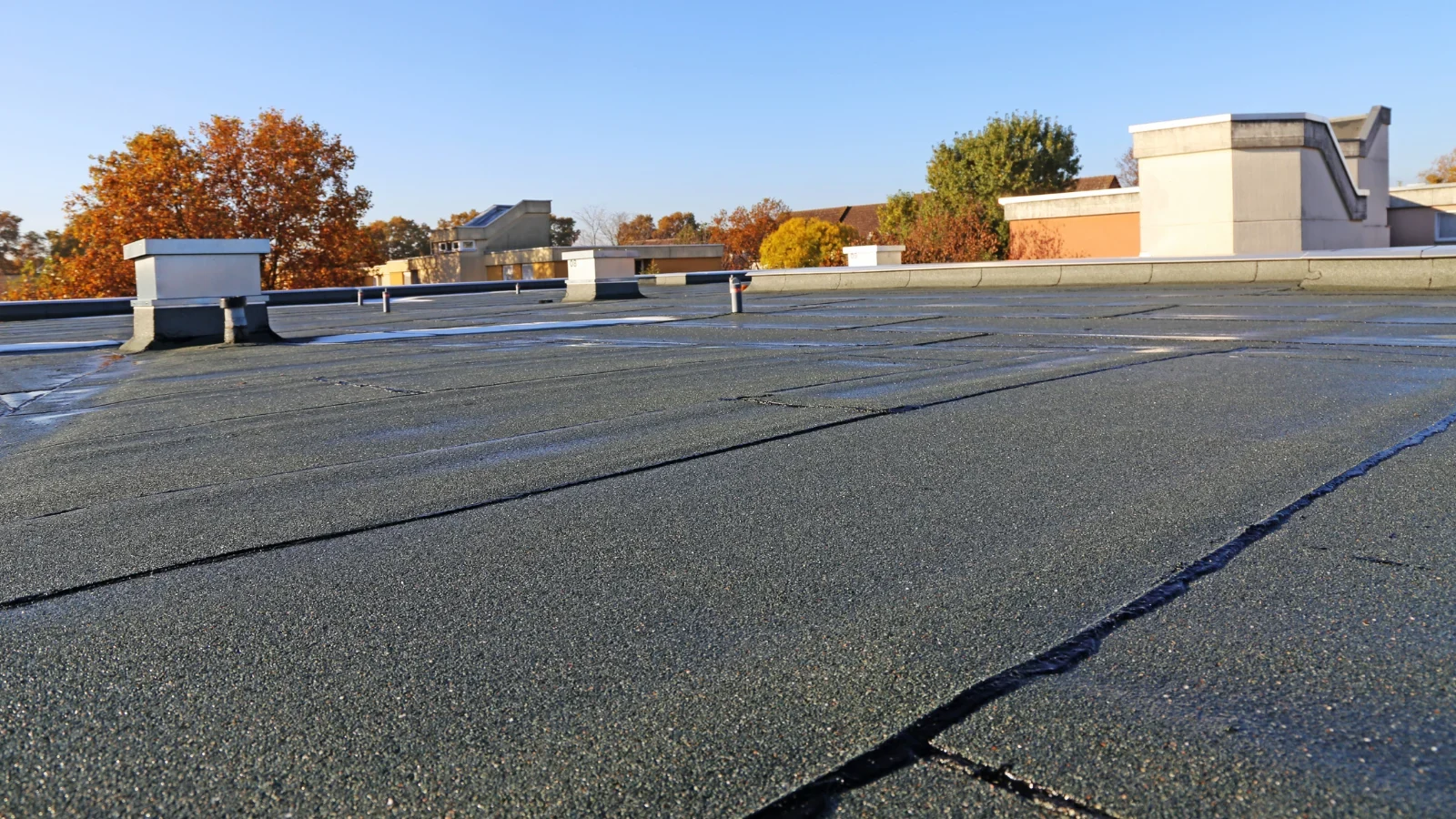
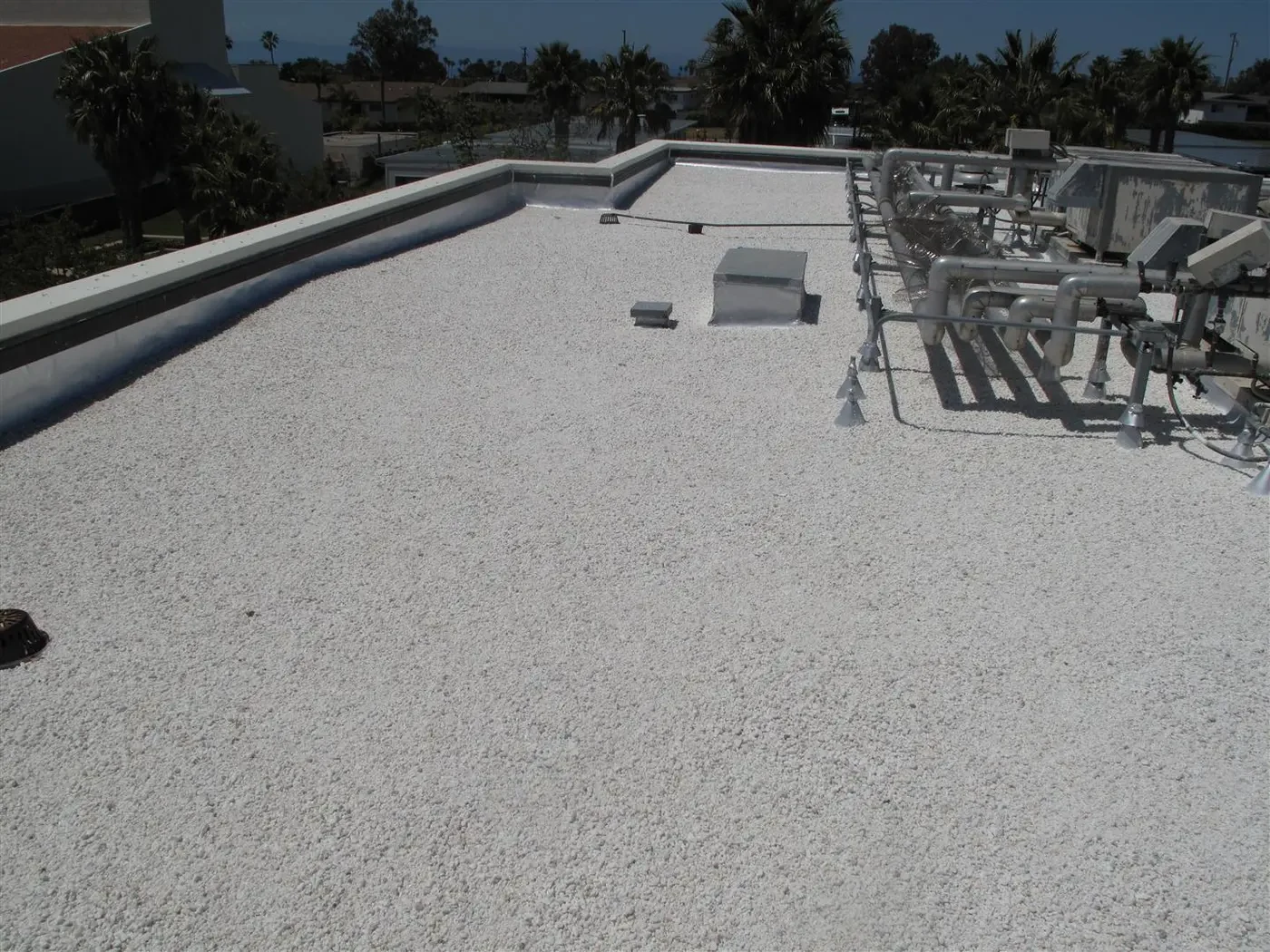
Hail impact on single-ply membrane can range from cosmetic granule displacement that doesn't affect waterproofing to fractures that compromise the membrane at the impact point, depending on hail size, membrane type and age, and impact angle. On built-up and modified bitumen roofs common in Canton's older industrial buildings, hail can crack surfacing or dislodge aggregate without necessarily breaching the underlying plies — a distinction that matters a lot for claim scope. Metal panel and coating systems show hail differently again, often as dents or coating fractures that are easy to spot but not always functionally significant.
We check granule loss patterns, membrane flexibility and cracking at each impact point, and whether the substrate underneath shows compromise, rather than counting hail hits and calling every one of them a repair item.
Cosmetic vs. Functional: Why the Distinction Matters
Some hail marking is real damage that will leak eventually if left alone; some is surface bruising a membrane can shed without ever affecting performance. Overstating cosmetic marking as functional damage doesn't help a claim — it invites a second opinion that finds less than what was reported. Understating it is worse, since real damage left undocumented becomes a leak nobody can trace back to the storm months later. We document both categories honestly and separately, which is generally what gets a claim through review without a second look.
Documenting a Hail Event
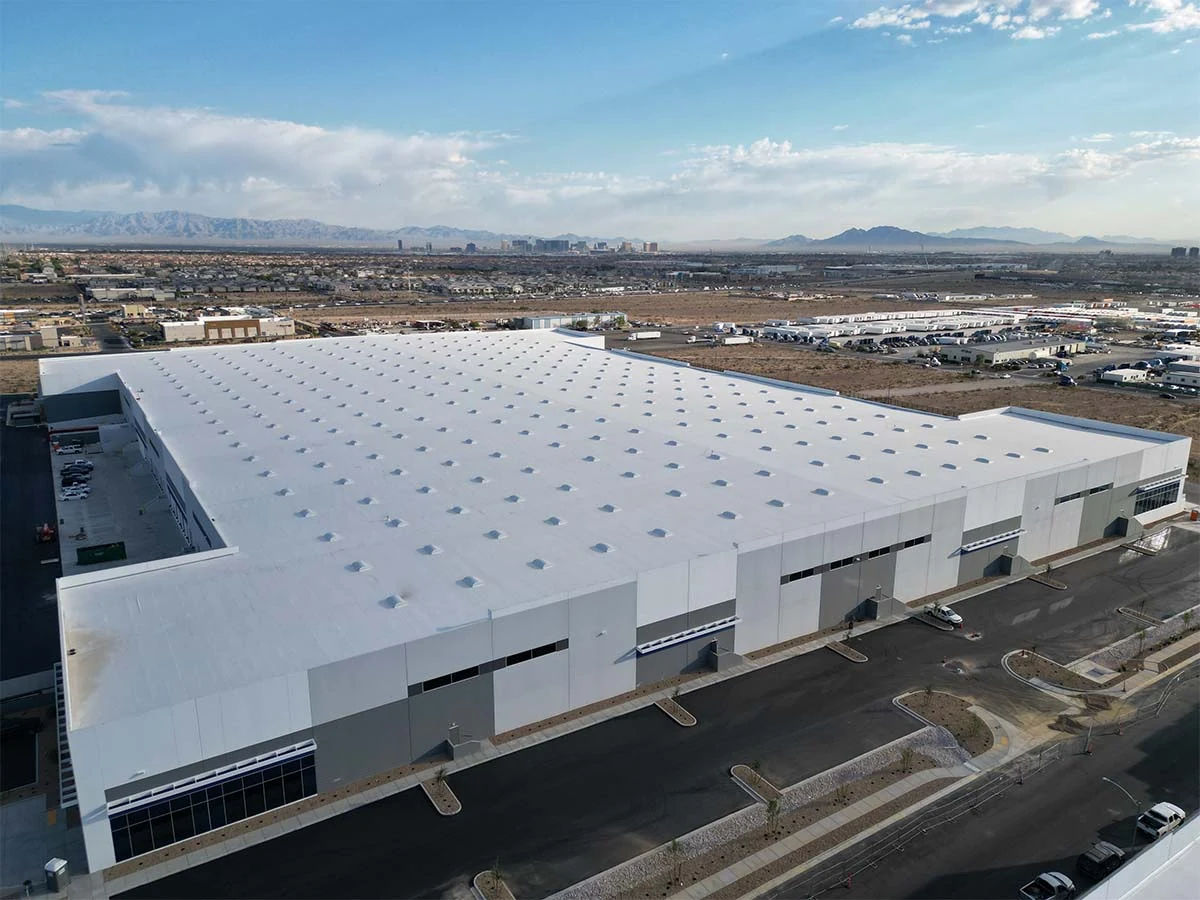
A hail damage report needs a roof plan showing impact density and location, close-up photos at representative and worst-case impact points, and a written note on membrane condition at each. On large industrial and distribution roofs along the I-77 corridor, hail density can vary noticeably across one field depending on where the cell tracked, so we sample enough of the roof to give an accurate picture rather than documenting one corner and extrapolating.
Meeting the Adjuster for a Hail Claim
Hail claims are where an adjuster's technical background matters most, since the difference between cosmetic and functional hail damage isn't always obvious without hands-on roofing experience. We walk the roof with the adjuster, point to specific impact points, and explain what we're seeing in each case. If the adjuster's read and ours land differently on a specific finding, we'll explain the technical basis for our assessment so you have something concrete for the conversation with your carrier — the coverage decision itself stays between you and your insurer.
What Building Owners Ask About Hail Claims
Does every hail hit need to be repaired?
No. Some hail marking is cosmetic and doesn't affect roof performance. We separate cosmetic findings from functional damage in every report.
How soon after a hail storm should we get an inspection?
As soon as reasonably possible. Hail damage doesn't usually worsen quickly on its own, but documentation close to the event date makes attribution to that specific storm easier.
Will you meet with our adjuster on the roof?
Yes, we regularly walk roofs with adjusters on hail claims and speak directly to the technical findings.
Can hail damage be hidden under an existing coating?
Sometimes. We check for coating fractures and underlying membrane condition together rather than assuming a coated roof shows all its damage on the surface.
What if our first inspection missed things a later one found?
That happens, especially with hail. We can do a more detailed follow-up inspection and document anything the original report didn't capture.
Reading the Damage Across the Whole Roof
Hail rarely leaves one identical mark everywhere. We divide the roof into elevations and test areas, then compare the field membrane with metal edges, vents, equipment panels, flashings, and other surfaces that help establish direction and severity. A few isolated marks do not automatically define the entire scope, and a clean-looking membrane does not automatically clear the flashings or rooftop equipment.
We photograph each finding in context and close up, identify its roof location, and separate storm indicators from foot traffic, dropped tools, blistering, coating wear, and older repairs. That organization gives the building owner a roof map that remains useful even if the claim discussion takes weeks.
Repairability and Matching Existing Assemblies
When damage is localized, we check whether compatible materials and repair methods are available for the existing system. Membrane age, reinforcement, coating history, insulation condition, fastening pattern, and manufacturer requirements can all affect whether a small repair is technically sound. If a broader scope is warranted, the report explains the observed conditions behind that conclusion instead of relying on a generic replacement recommendation.
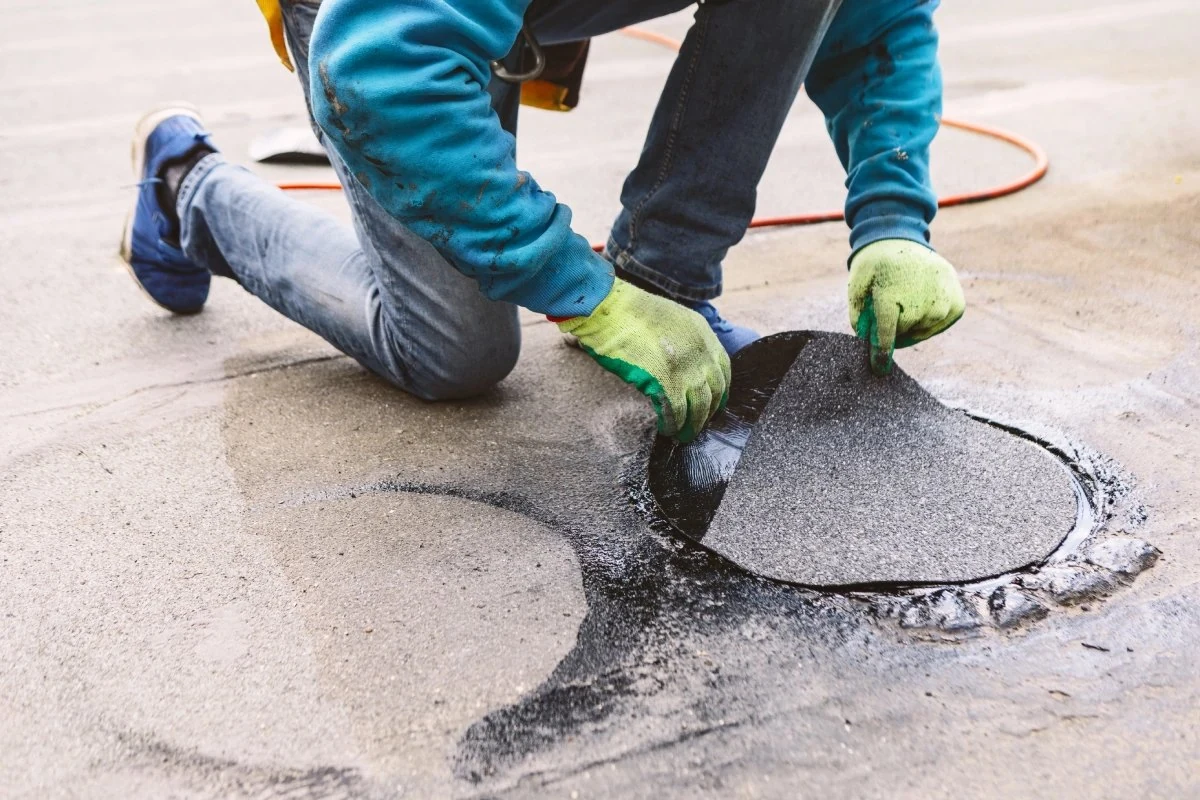
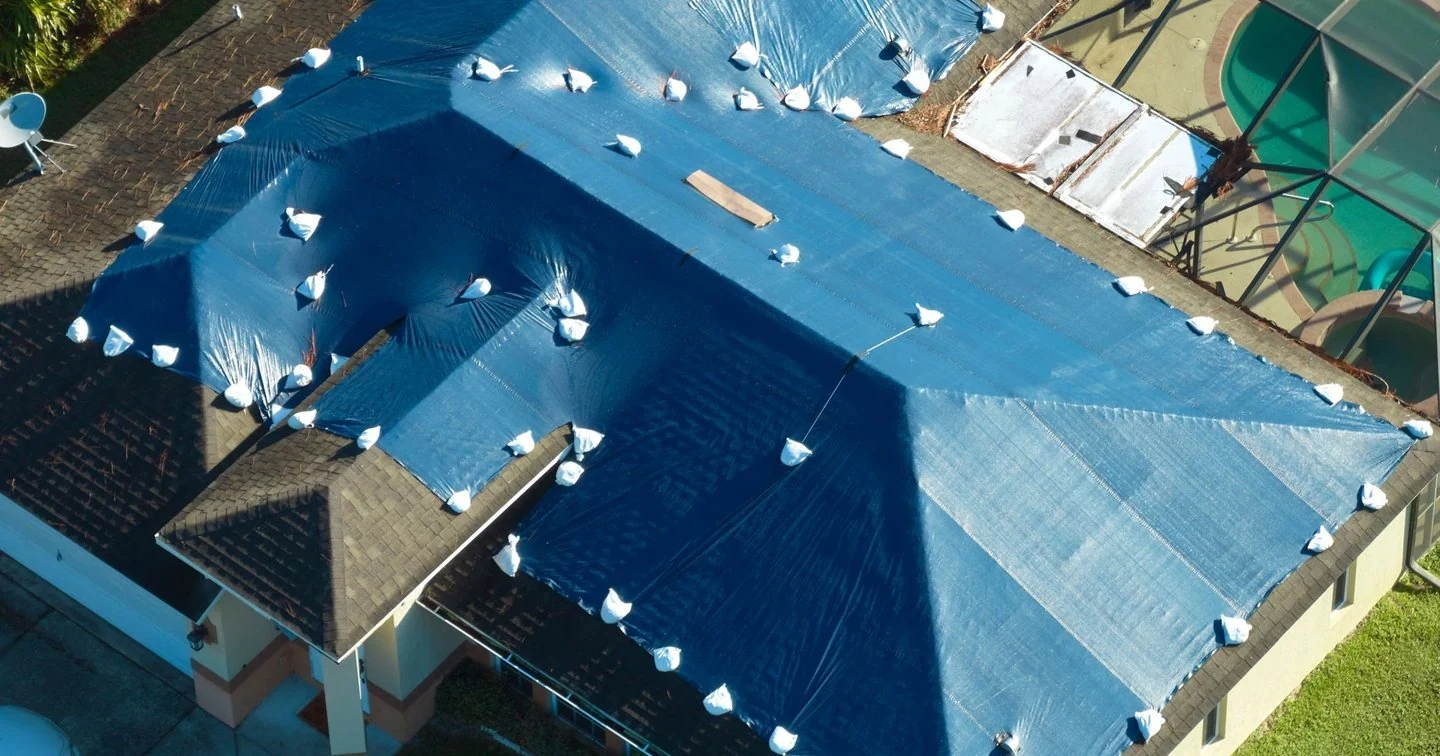
Any temporary patches are logged separately from the permanent scope. That keeps emergency protection, claim documentation, and final construction decisions clear for the owner, adjuster, and facilities team.
Planning the Follow-Up Visit
After the initial inspection, we organize any testing, temporary protection, material research, and manufacturer questions that still need an answer. The resulting scope shows which areas can be repaired, which need continued monitoring, and which conditions justify broader work. Owners can use that same record for maintenance planning after the claim is closed.
We're your roofing contractor, not a public adjuster — we document and substantiate the roof damage so you and your adjuster work from an accurate scope.