
Service Area
Assessment
Office
Buildings
Planning
Closeout
Reroofing a Building Without Shutting It Down
A full reroof is the biggest line item most facilities managers sign off on in a given budget cycle, and it's rarely convenient timing. Commercial Roofing Contractors of Canton scopes reroof projects around your building's actual schedule — production shifts, tenant leases, event calendars — not the other way around. You get a written scope, a sequence that limits how much roof is open at once, and a close-out package you can hand to whoever approves your capital spend.
Recover or Tear Off — We Show You Both Numbers
Before we write a reroof scope, we run a moisture survey on the existing roof. If the deck and insulation are dry and the substrate is still sound, a recover system installed over the old roof can add fifteen years or more at a fraction of tear-off cost, and your building stays weathertight the whole time. If the survey turns up wet insulation or a deck that's lost structural integrity, recovering over it just seals the problem in, and we'll tell you that plainly instead of quoting a recover scope that won't hold.
We've run this survey on manufacturing roofs near the Timken corridor with three or four legacy roof layers stacked on top of each other, and on newer retail buildings out at Belden Village where the deck is still in good shape but the membrane is past its service life. The survey result, not our preference, decides which way the scope goes.
Sequencing the Work Around Your Operation
A reroof doesn't have to mean your building goes dark. We break the roof into sections sized to what we can tear off and dry in before the crew leaves for the day, so you're never carrying more open roof overnight than the weather allows. For buildings with production lines, patient areas, or overnight tenants, we plan the noisiest work — tear-off, deck fastening — for the hours that do the least damage to your operation.
Typical sequencing on a mid-size commercial roof looks like this:
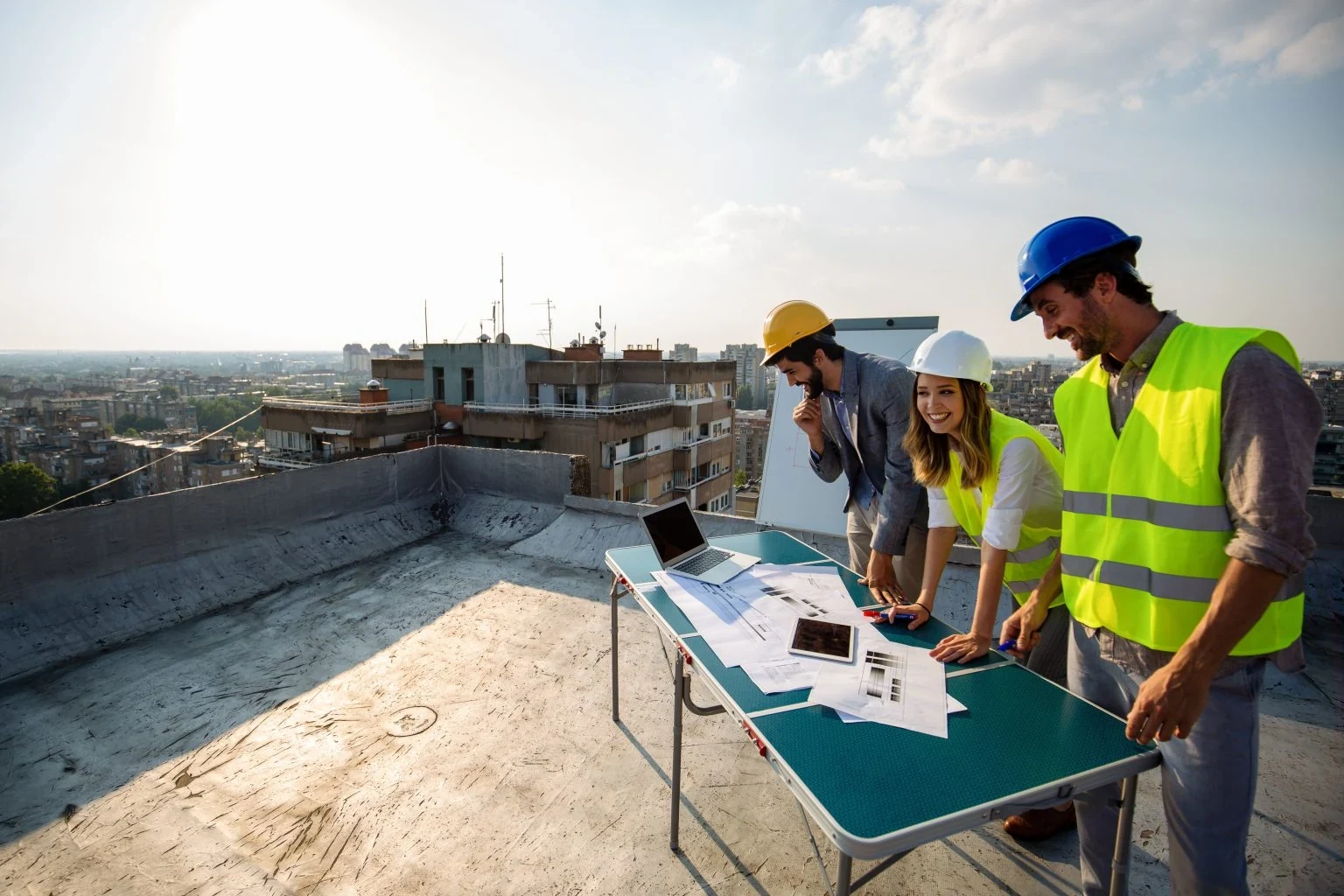
- Pre-mobilization walk with your team to confirm access points, staging areas, and any blackout hours
- Section-by-section tear-off, dried in before end of shift on every section we open
- Daily photo log and moisture readings sent to you each afternoon
- Coordination with your maintenance staff on rooftop equipment, satellite dishes, and mechanical curbs
- Final walk-through with a written punch list before demobilization
- Close-out package with warranty documents, manufacturer registration, and an as-built roof plan
If something changes mid-project — a section of deck turns out to be worse than the original survey showed — we stop, show you what we're looking at, and get sign-off before we proceed. No change orders you find out about after the fact.
The Buildings We Reroof Across the Canton Market
Canton's commercial roof stock runs from heavy manufacturing to brand-new hospitality construction, often within a few miles of each other. We've reroofed distribution buildings along the I-77 corridor with wide-open field areas that go fast once staging is dialed in, and we've worked hospitality and event-venue roofs tied to the Hall of Fame Village development, where finish quality and a tight construction schedule both matter. Retail centers at Belden Village and food-processing plants around Massillon each bring their own deck types and rooftop equipment loads into the scope.
Older manufacturing buildings, especially ones that have changed hands or added mechanical equipment over the decades, often carry roof loads the original design never accounted for. We factor that into the reroof plan rather than assuming the new system can just mirror the old one.
Scheduling Around a Northeast Ohio Winter
Reroofing has a real weather window here. Membrane adhesives and fully-adhered systems need minimum temperatures to cure properly, so we plan tear-off and installation to close out before the ground freezes hard, ideally well ahead of the lake-effect snow bands that push through Stark County most winters. A roof that's only partially watertight going into a freeze-thaw cycle is a liability, so we build enough schedule buffer to finish a section completely rather than leave it exposed over a cold snap.
If a project has to run into shoulder-season weather, we adjust the system and sequencing accordingly — that might mean a mechanically-attached system instead of adhered, or smaller daily sections so nothing sits open overnight.
Matching the System to Your Deck and Your Budget
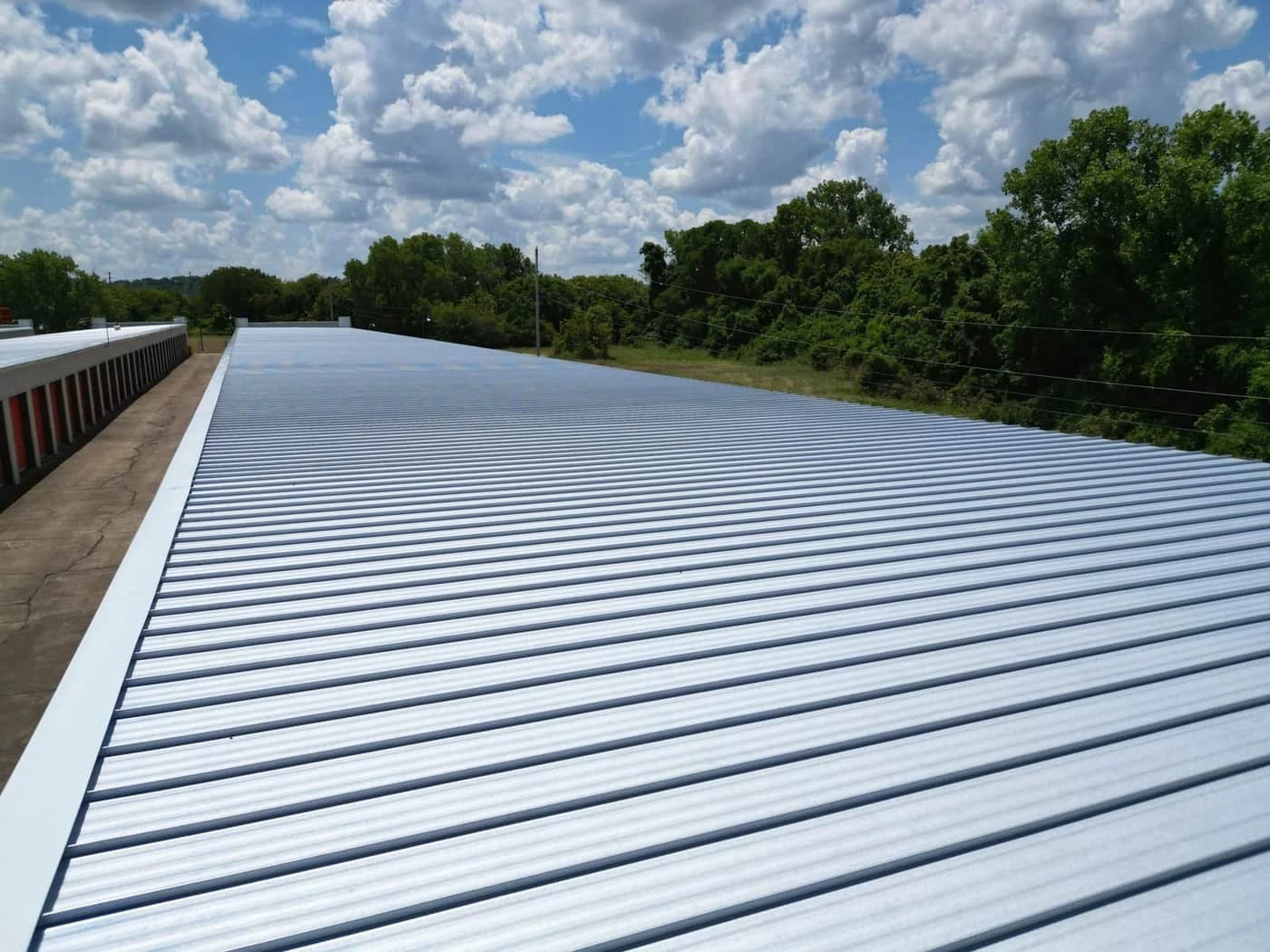
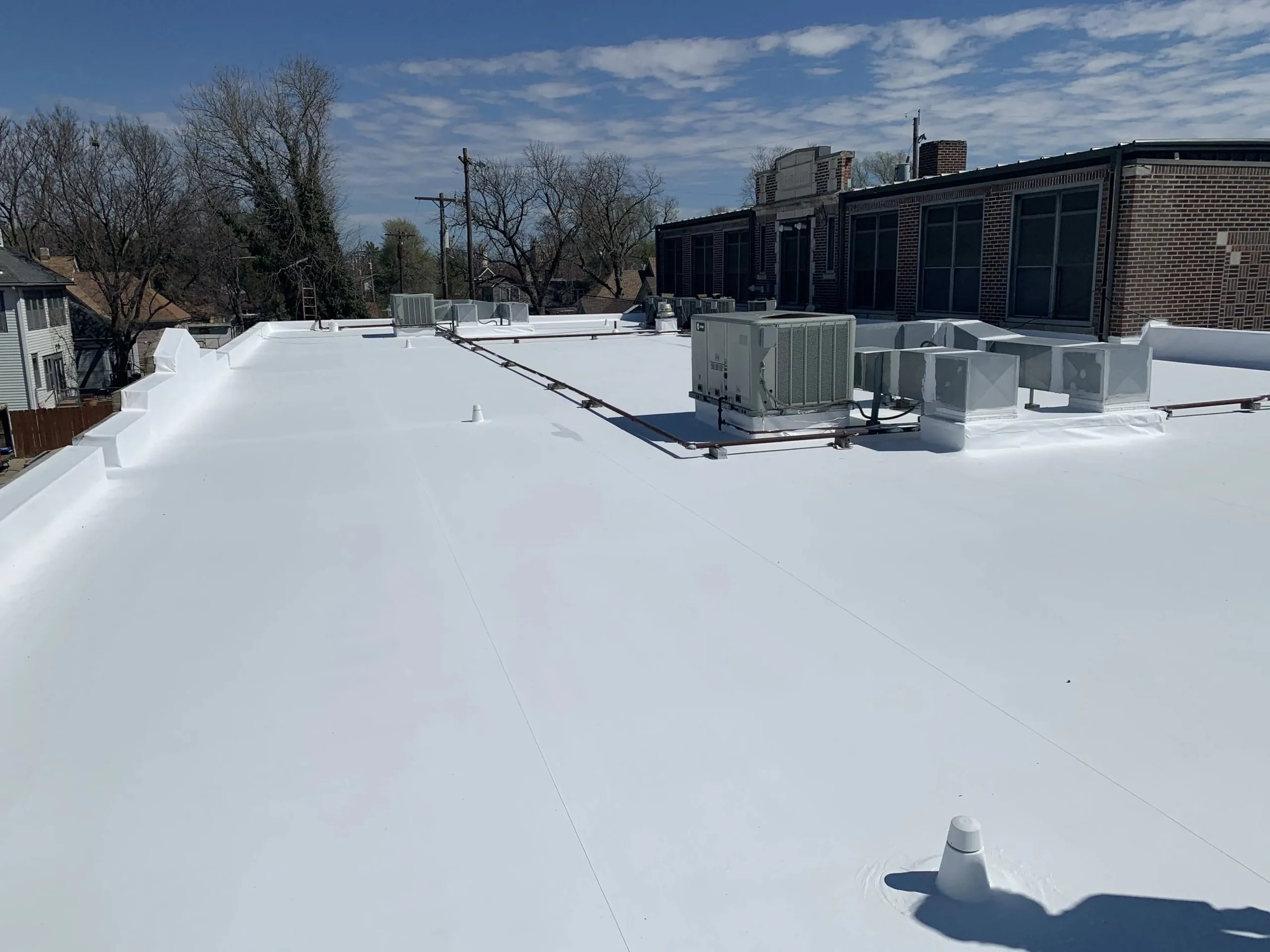
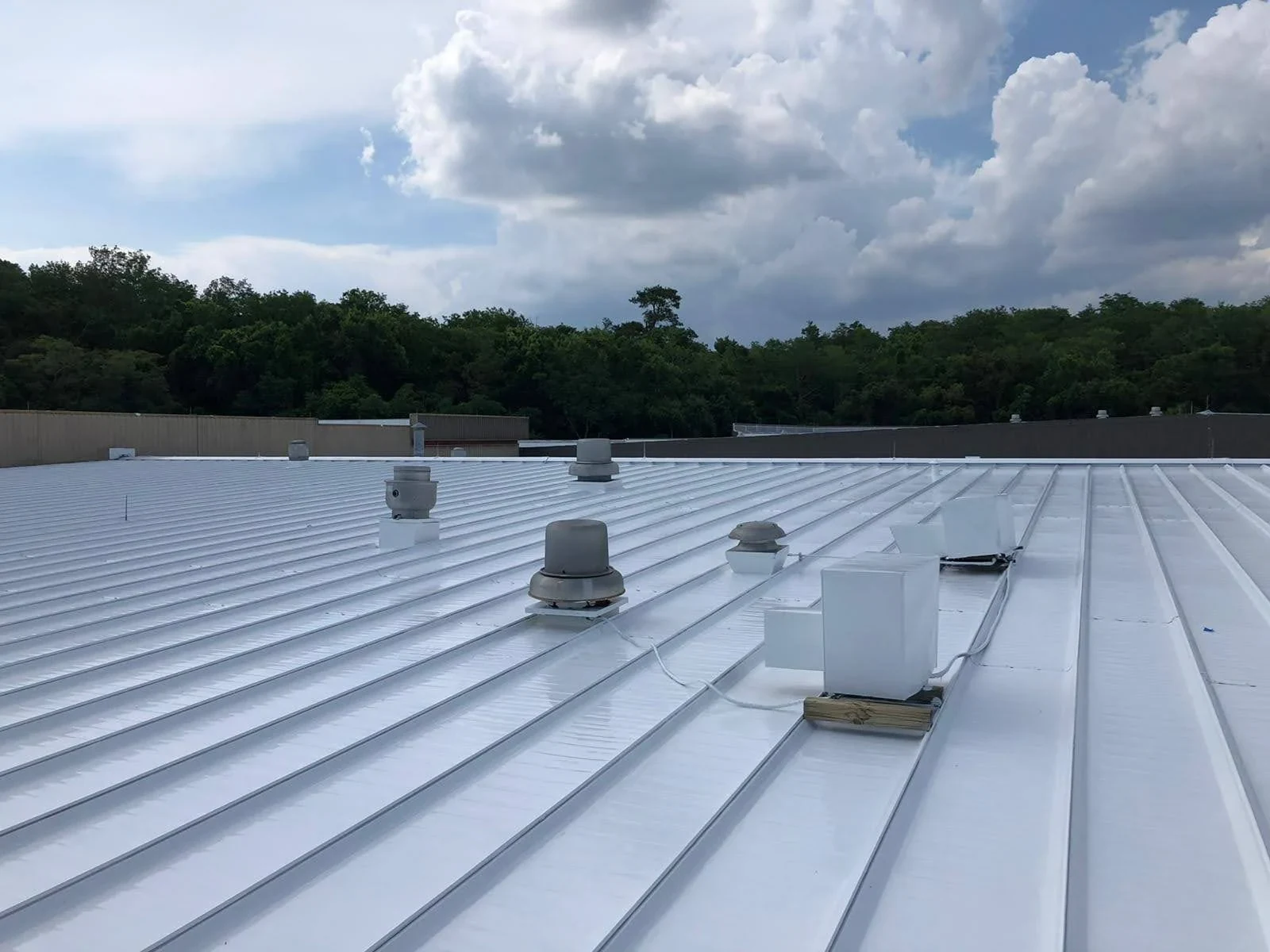
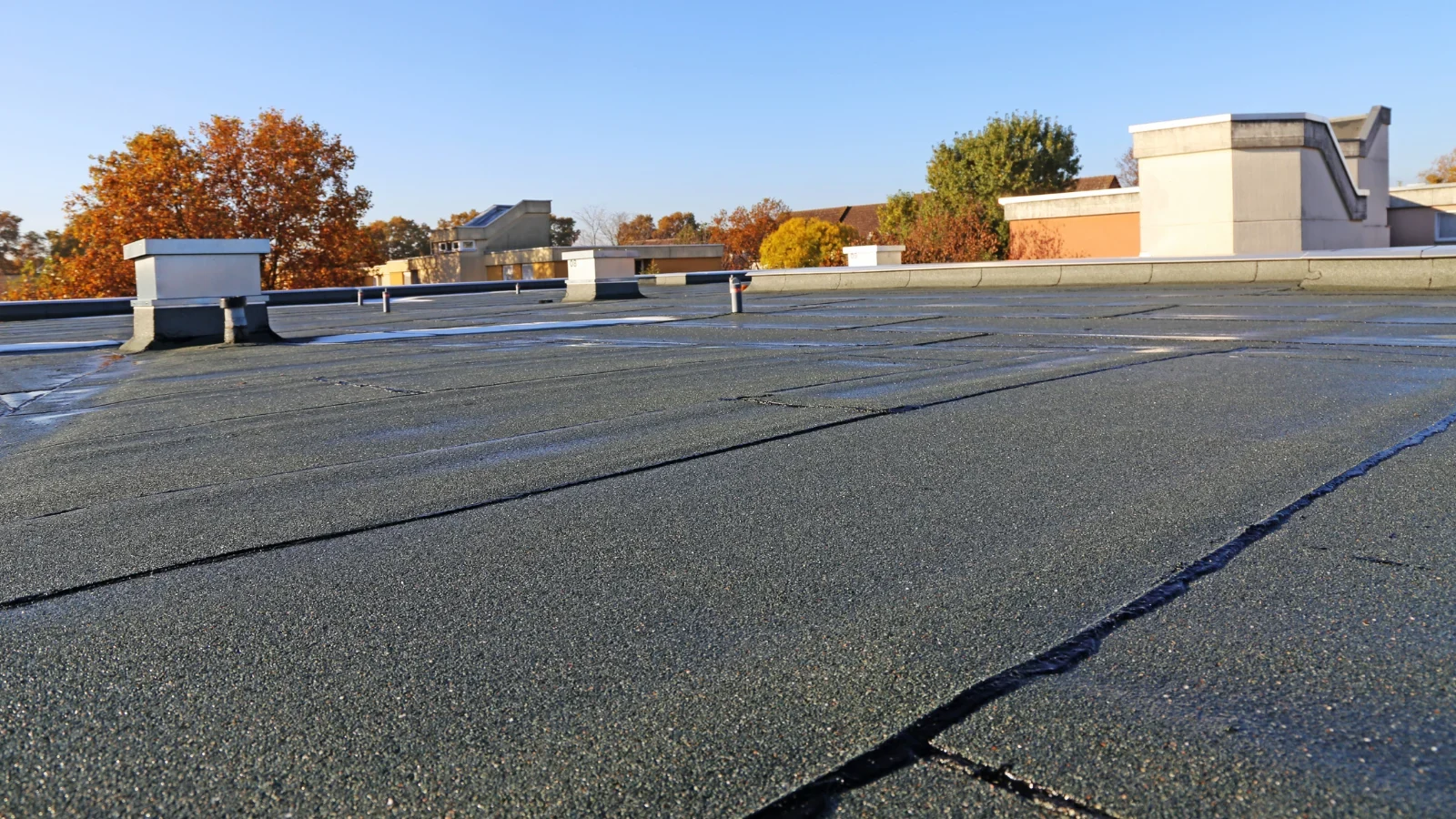
We install TPO, EPDM, PVC, modified bitumen, and metal panel systems, and the right one depends on your deck type, rooftop traffic, and how long you plan to hold the building. A single-ply membrane makes sense on most steel-deck commercial buildings. A recover-rated system might be the better financial call if the existing roof is sound. We walk through the full lifecycle cost of each option, well beyond the sticker price on the install, so the choice fits your capital plan instead of just this year's budget line. See our recover and overlay page for more on that option specifically.
Facility teams managing more than one building in the Canton area often ask us to standardize on a single system across their portfolio, since it simplifies future maintenance contracts and gives every roof the same warranty terms. That's a reasonable goal, but we'll still tell you if a specific building's deck or rooftop load makes a different system the smarter call for that one location.
Reroof Questions Facilities Managers Ask Us
How long does a reroof take on a typical building our size?
It depends on square footage and roof complexity, but most mid-size commercial reroofs run a few weeks to a couple months. We give you a section-by-section schedule up front so you know what's happening week to week.
Can part of the building stay operational during the work?
Yes. We sequence by section specifically so you're not shutting down the whole facility, and we coordinate noisy work around your blackout hours.
What happens if you find wet insulation once we start?
We stop, show you the moisture readings, and walk through the options before continuing. That's a scope conversation, not a surprise invoice.
Do we need to move equipment off the roof first?
We'll flag anything that needs to move — satellite dishes, storage, unused curbs — during the pre-mobilization walk so there are no delays once crews start.
What's included in the close-out package?
Warranty documents, manufacturer registration paperwork, an as-built roof plan, and the full photo log from the project, all formatted to hand off to ownership or your corporate office.