
Service Area
Assessment
Office
Buildings
Planning
Closeout

Commercial Roof Insurance Claim Assistance in Canton, OH
A commercial roof claim moves fastest when the paperwork matches what's actually on the roof. Commercial Roofing Contractors of Canton inspects storm-affected roofs across Stark County, documents what we find in a format adjusters can work with, and stays on hand through the site visit so the claim reflects the full, accurate scope of repair. We're a roofing contractor, not a public adjuster — we don't file claims or negotiate coverage on your behalf. What we do is make sure nothing gets missed before the paperwork goes in.
What a Roof Claim Actually Requires
Most carriers want the same core package: photos tied to specific roof locations, a written description of each finding, and — where the damage is significant — a repair or replacement scope with pricing. A claim built on a vague "roof leak, please advise" note tends to get kicked back for more information, which costs weeks. A claim built on a roof plan with numbered findings and photo references for each one moves through review with fewer questions.
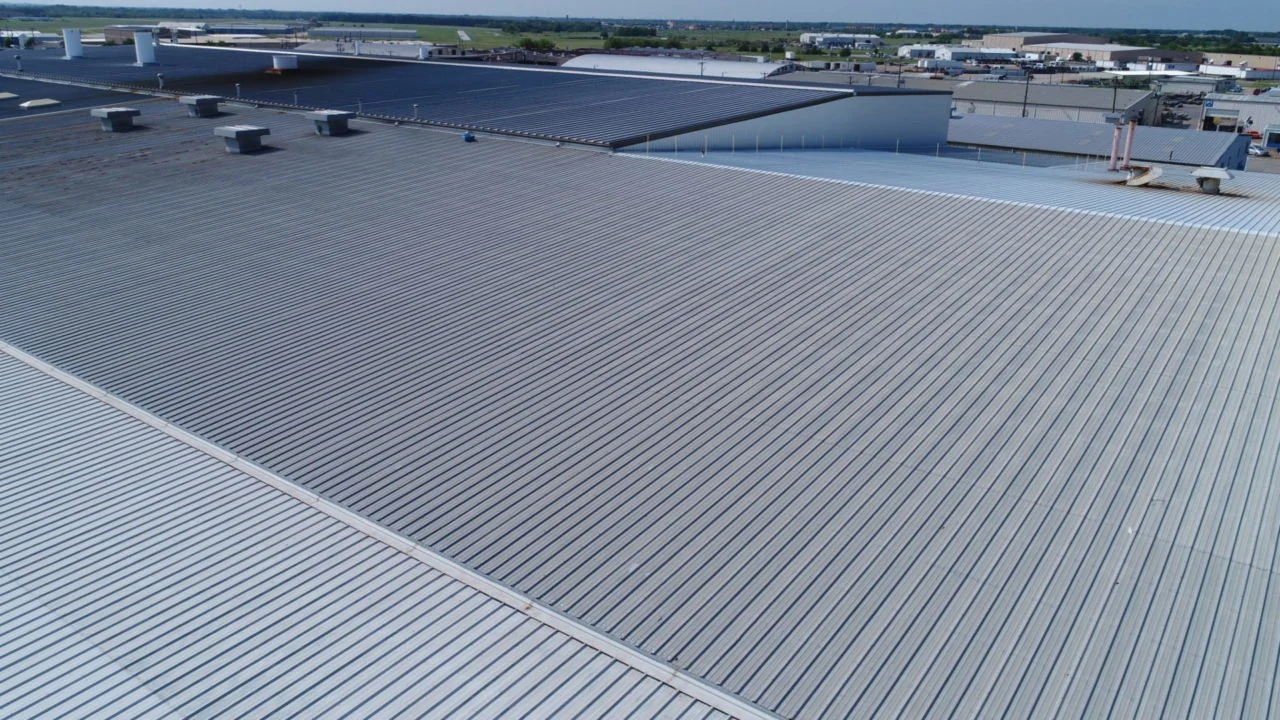
We also flag anything a homeowner-style inspection would miss on a commercial building — rooftop unit curbs, scupper and drain function, membrane seams across the whole field rather than just the perimeter. Manufacturing buildings near the Timken corridor and distribution centers along I-77 often carry roof areas measured in acres, and a claim covering only what's visible from a ladder at one corner leaves real damage undocumented.
Meeting the Adjuster on the Roof
When your carrier schedules an adjuster visit, we walk the roof with them. We point to each finding directly, explain the failure mode in roofing terms, and answer technical questions the adjuster may not have a background to resolve on their own — the difference between a wind-lifted seam and one that opened from age, for instance. We're not there to argue the claim; we're there so the roof gets looked at by someone who inspects roofs for a living, standing next to the person deciding what the policy covers.
If our documentation and the adjuster's Diligence Notes land in different places on a specific item, we'll walk you through the technical basis for what we found so you have something concrete for that conversation with your carrier. The coverage decision itself is between you and your insurer.
Complete Scope, Not a Patch List
Storm damage repair on a commercial roof rarely stops at the exact spot where wind or hail hit. Code-required upgrades that apply once a permit is pulled, matching an existing membrane or coating system, and tie-ins at drains or curbs disturbed during repair all belong in the same scope — otherwise the claim covers part of the job and you're left funding the rest. We itemize all of it up front rather than adding items after work starts.
This matters most on older buildings around downtown Canton and Stark County's legacy industrial stock, where built-up and modified bitumen systems installed decades ago often need code-driven insulation or fastening upgrades that a like-for-like patch wouldn't trigger on its own.
Denied or Underpaid Claims
A denial or a lower-than-expected settlement is often the result of thin original documentation, not necessarily a policy issue. If a first-pass report described damage in general terms without location-specific photos or measurements, we can go back on the roof, document what's there in more detail, and give you a report built for a second look — the same way we'd document it if we'd been called the day after the storm. Whether that documentation changes the outcome is still the carrier's call, but incomplete information rarely helps your case.
Storm Patterns Around Stark County
Northeast Ohio's severe-weather season runs from spring into summer, when straight-line wind and occasional hail cells move through Stark County ahead of stronger thunderstorm systems. Winter brings a different set of claims entirely — freeze-thaw cycling and ice-related water intrusion on older low-slope roofs rather than a single storm event. Either way, the same rule applies: the sooner a roof gets documented after the event, the easier it is to tie the damage to a specific date instead of months of general wear.
Frequently Asked Questions
Does insurance cover roof replacement or only repair?
That depends on your policy, the extent of the damage, and your carrier's determination — it's not something we can promise either way. What we can do is document the actual condition of the roof accurately, whether that supports a repair or points toward replacement.
What does the claim process usually look like?
Roughly: damage is reported, a documentation visit happens, an adjuster reviews the file and often visits the roof, and a coverage decision follows. We support the documentation and adjuster-visit steps directly.
What if our claim gets denied?
We can re-inspect and document the roof in more detail to support a reconsideration request through your carrier. We don't handle the appeal itself — that's a conversation between you and your insurer.
Is repair or full replacement the right call for storm damage?
It depends on the extent and location of the damage and the roof's condition going in. We document the storm-related findings and any pre-existing wear separately so that decision is based on accurate information.
Do you work directly with public adjusters if we've hired one?
Yes. We're glad to coordinate with a public adjuster on the technical roofing side — our documentation and their claims expertise cover different parts of the process.
How fast can you get out after a storm?
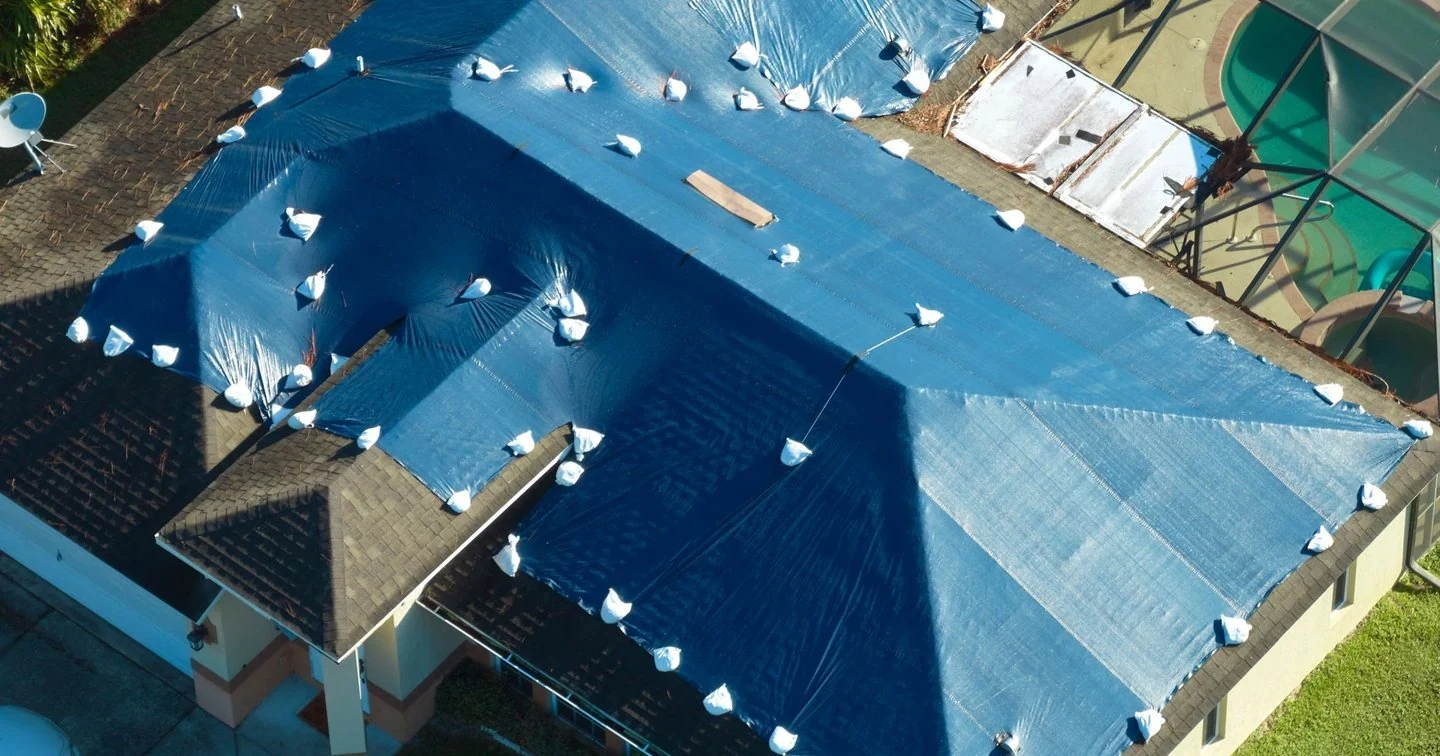
Usually within a few days, sooner if there's active water intrusion that also needs a tarp or dry-in while we're documenting the roof.
We're your roofing contractor, not a public adjuster — we document and substantiate the roof damage so you and your adjuster work from an accurate scope.