
Service Area
Assessment
Office
Buildings
Planning
Closeout

Wind & Storm Damage Roof Insurance Claims in Canton, OH
Straight-line wind is the most common storm-claim trigger on Stark County's commercial roofs, and it's also the easiest kind of damage to underdocument. A gust event can lift edge metal in a dozen unconnected spots across one roof field, and a claim that only captures the two or three findings visible from the ground leaves real damage — and real repair cost — off the table. Commercial Roofing Contractors of Canton walks the entire roof after a wind event, documents every finding, and stays involved through the adjuster visit. We're a contractor, not a public adjuster: we don't file the claim or negotiate your settlement, we make sure the scope going into that process is complete.
How Wind Actually Damages a Commercial Roof
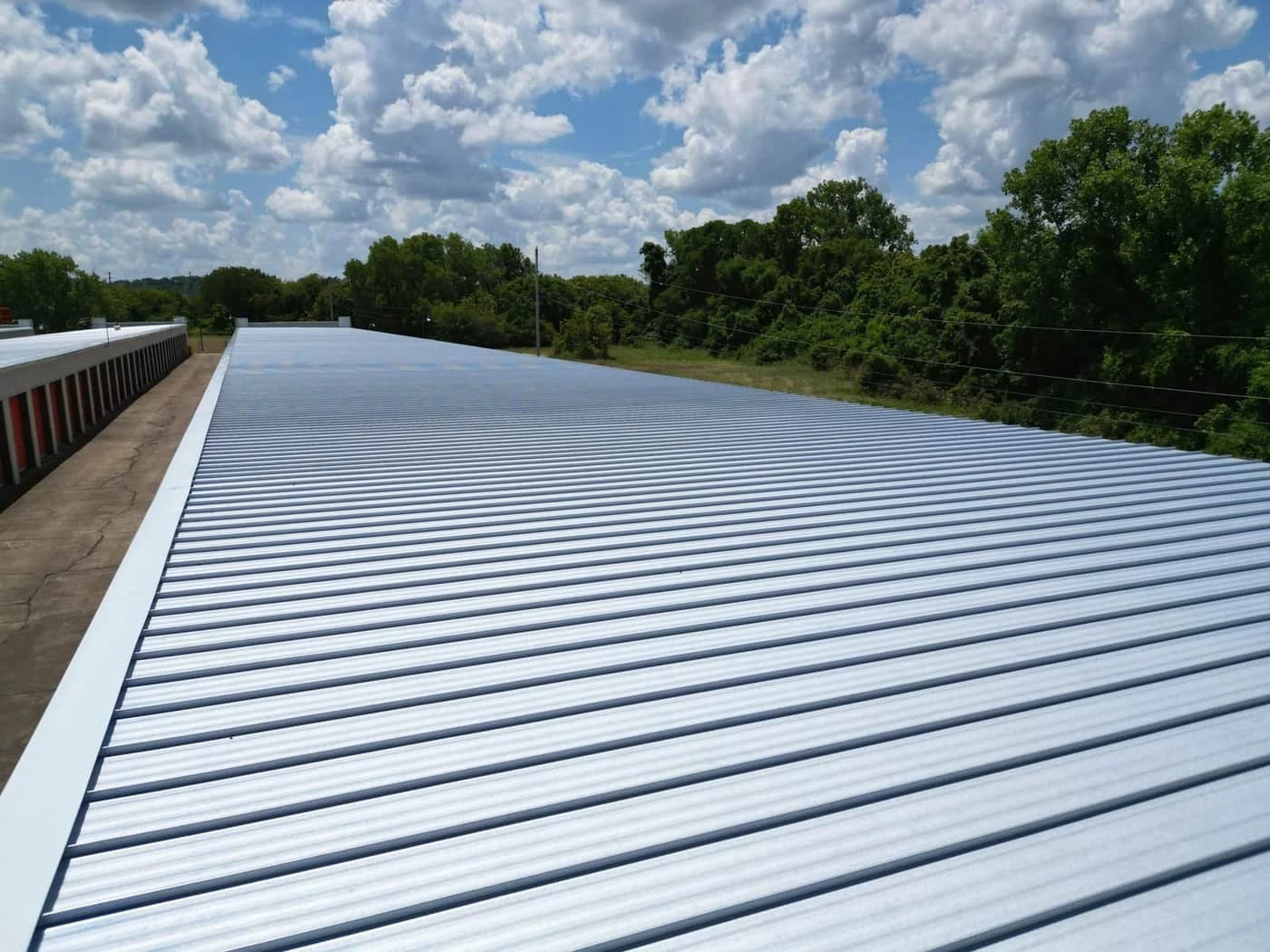
On single-ply and built-up systems, wind typically finds the weakest attachment point first — perimeter edge metal, a membrane seam near a corner, or flashing around a rooftop unit curb that rocks under sustained gusts. Interior field damage is less common but does happen on older membranes with degraded adhesion, especially where a system has already lost some bond strength before the storm hit. On metal panel roofs common on manufacturing buildings near the Timken corridor, we check for panels that shifted or fasteners that backed out under repeated flex.
The visible damage from the ground — a piece of edge metal hanging loose, an obviously torn section — is often the smallest part of the real finding list. We map the full roof rather than photographing the obvious spot and calling the assessment done.
Documenting a Wind Event for a Claim
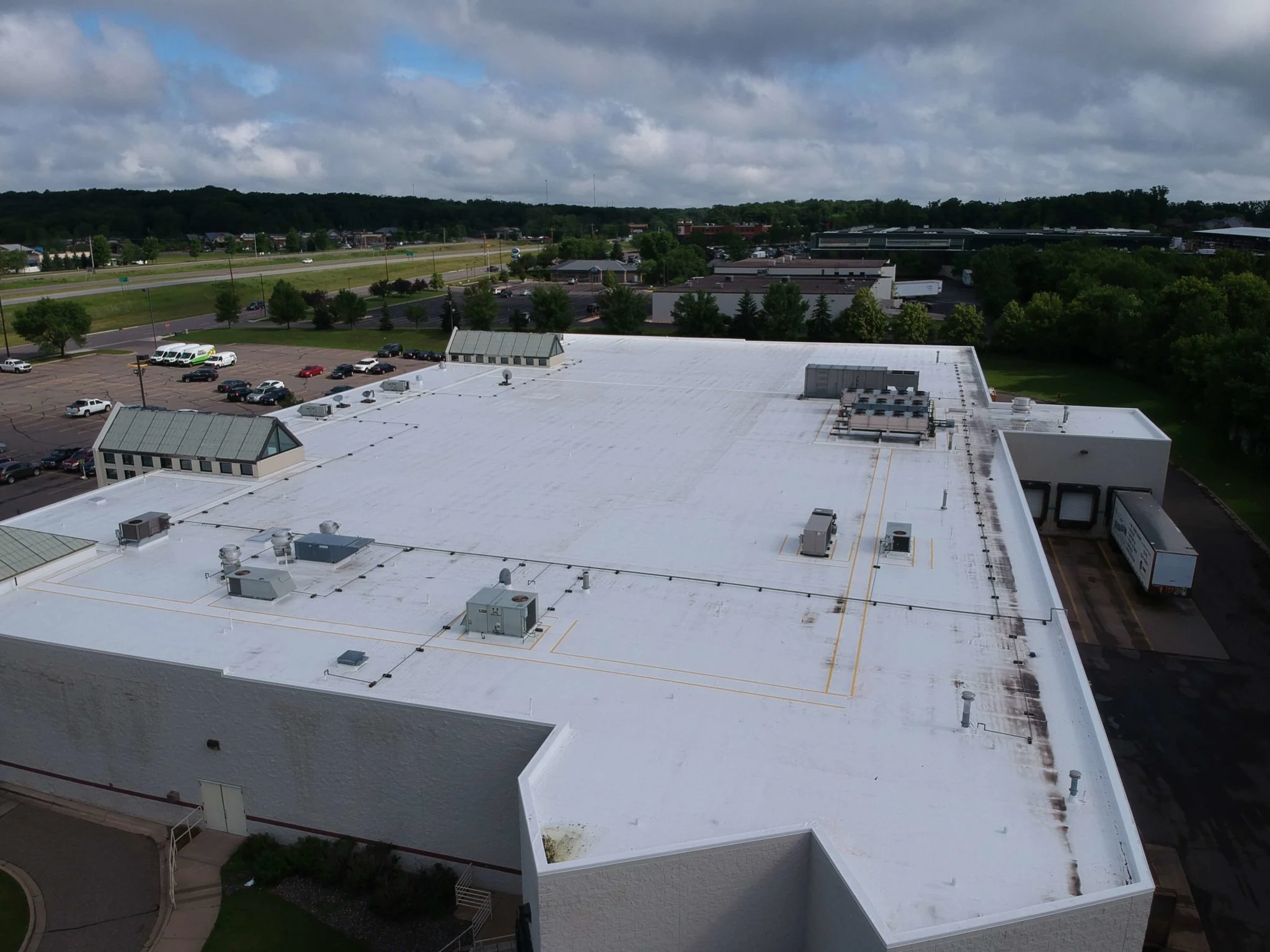
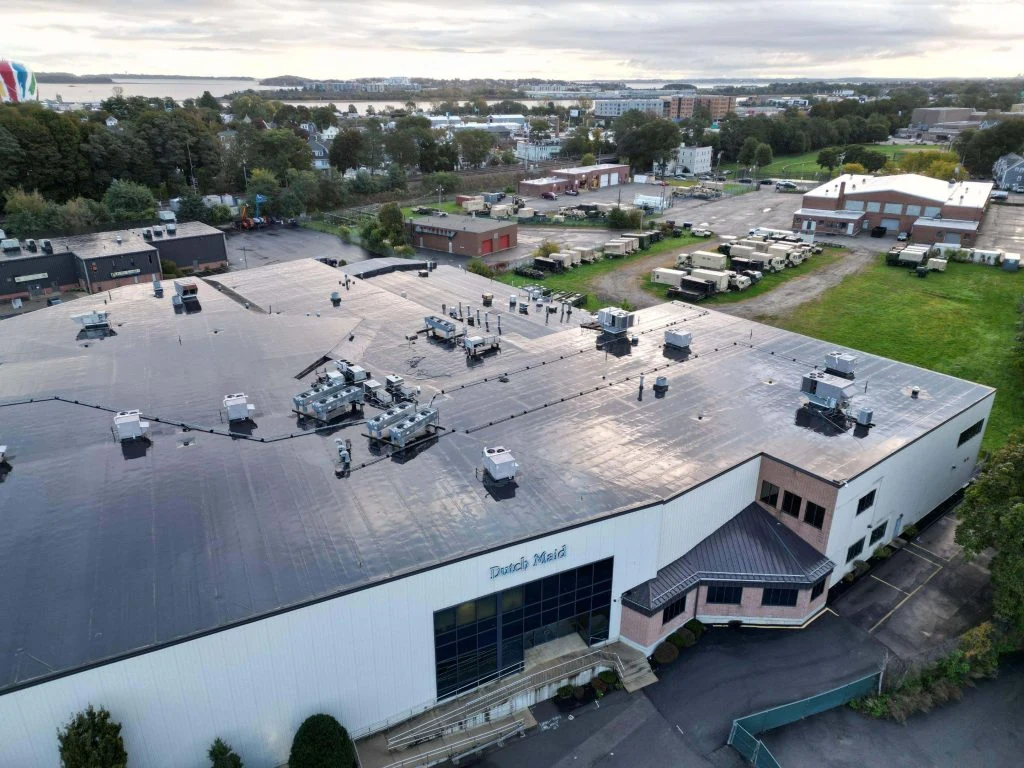
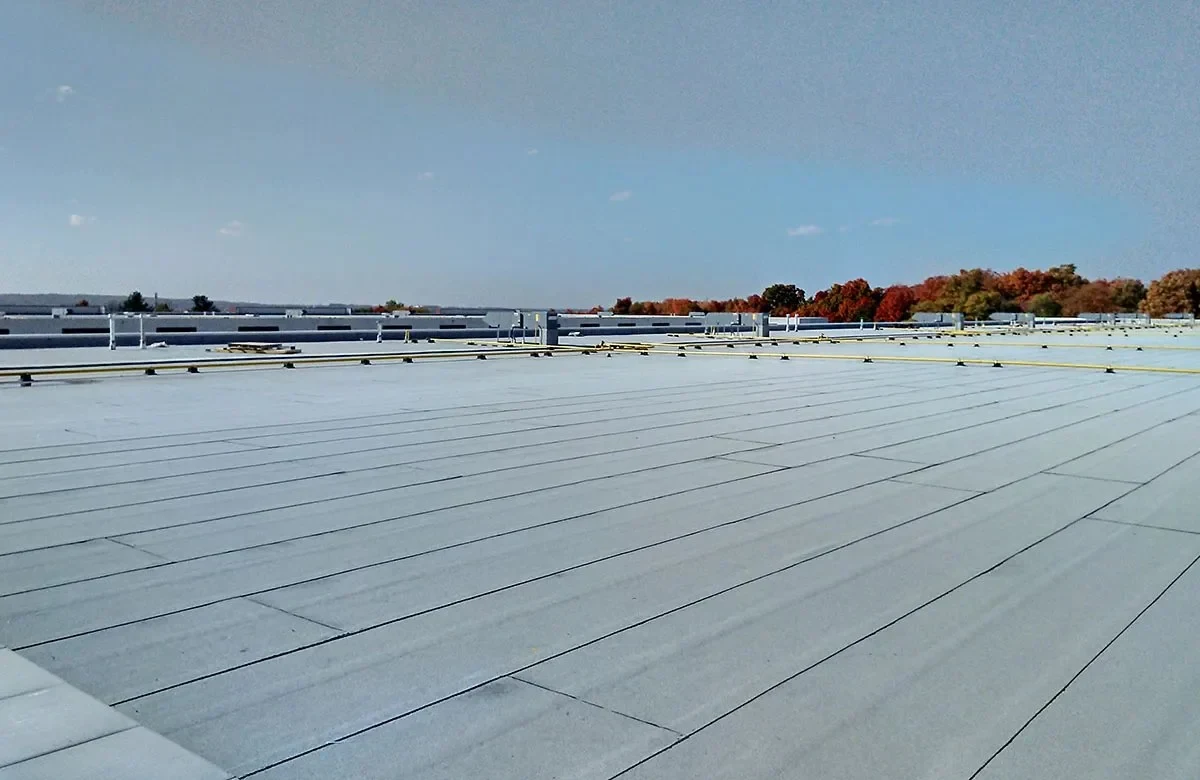
A useful wind-damage report ties each finding to a location on a roof plan, notes the specific failure mode, and separates storm-caused lifting or tearing from pre-existing wear that a gust just exposed. Distribution buildings along the I-77 corridor often carry large membrane fields where a single wind event produces findings spread across a wide area — each one needs its own photo and location note rather than a blanket "roof damaged in the storm" summary that leaves an adjuster to guess at scope.
We also note wind direction and general storm timing where it's knowable, since some carriers ask for that context when reviewing a claim.
On the Roof With Your Adjuster
We meet adjusters on-site for wind claims regularly. Most of the conversation is technical — explaining why a particular seam opened from uplift rather than age, or why a rooftop unit's flashing needs full replacement rather than a sealant patch. Having someone who inspects roofs professionally standing next to the adjuster tends to keep that conversation grounded in what actually happened to the roof rather than a guess from ground level.
Full Scope Repairs After a Wind Event
Wind repair scopes should include everything the event actually damaged, rather than only the first finding noticed. That means every lifted edge-metal run, every affected curb flashing, and any code-required upgrades that apply once a repair permit is pulled — not a single patch that leaves the rest of the field exposed to the next storm. We itemize the complete scope up front so nothing gets added piecemeal after the claim is already settled.
What Building Owners Ask About Wind Claims
How do you tell wind damage from a roof that was already failing?
Location and pattern. Wind damage clusters at edges, corners, and attachment points consistent with uplift; general wear tends to show up more evenly across the field. We document both separately.
Will you meet our adjuster on-site for a wind claim?
Yes, we regularly walk roofs with adjusters and speak directly to the technical findings in our documentation.
How fast should we get the roof checked after a wind event?
As soon as it's safe to get on the roof. A lifted edge or opened seam only gets worse with the next rain, and documentation is cleanest close to the event date.
Can you provide a repair estimate along with the damage report?
Yes, an itemized scope with pricing can be included if you or your carrier needs one to move the claim forward.
Does a strong thunderstorm count, or does it need to be a named storm?
Sustained straight-line wind from any thunderstorm system can damage a roof regardless of whether it gets a name in the news. If you're unsure, a roof walk is worth the call.
Following the Wind Path Across the Building
We start at corners, perimeters, parapets, and roof-to-wall transitions because uplift pressure is usually strongest there, then work inward toward seams, penetrations, equipment curbs, and field membrane. We also review the ground and upper elevations for displaced coping, edge metal, panels, or debris that may show how the event moved across the property.
Each condition is photographed with its location and orientation. We distinguish fresh displacement, creasing, open seams, punctures, and pulled fasteners from corrosion, aging sealant, previous patches, or long-standing drainage problems. That distinction matters when one storm exposes several different roof conditions at once.
Emergency Protection Without Losing the Record
If the assembly is open, keeping the facility dry comes first. We document the condition before temporary work whenever it is safe to do so, then record the dry-in materials, boundaries, and remaining vulnerable areas. Interior leak locations are tied back to the roof plan so the facilities team can monitor the right spaces during the next rain.
After immediate protection is complete, we return with a permanent repair or replacement scope based on confirmed conditions, material compatibility, insulation moisture, deck indicators, and the way the building must remain operational during construction.
We're your roofing contractor, not a public adjuster — we document and substantiate the roof damage so you and your adjuster work from an accurate scope.