
Service Area
Assessment
Office
Buildings
Planning
Closeout
Roofing for Hotels and Entertainment Venues Near Hall of Fame Village
The Hall of Fame Village development has pulled a wave of hotel, entertainment, and event-space construction into Canton around the Pro Football Hall of Fame and Tom Benson Hall of Fame Stadium. We work on the roof systems that have to perform over guest rooms, ballrooms, and large public gathering spaces where a leak means a guest complaint or a canceled event, not a quiet maintenance ticket.
A Hospitality Footprint That Grew Fast Around One Development
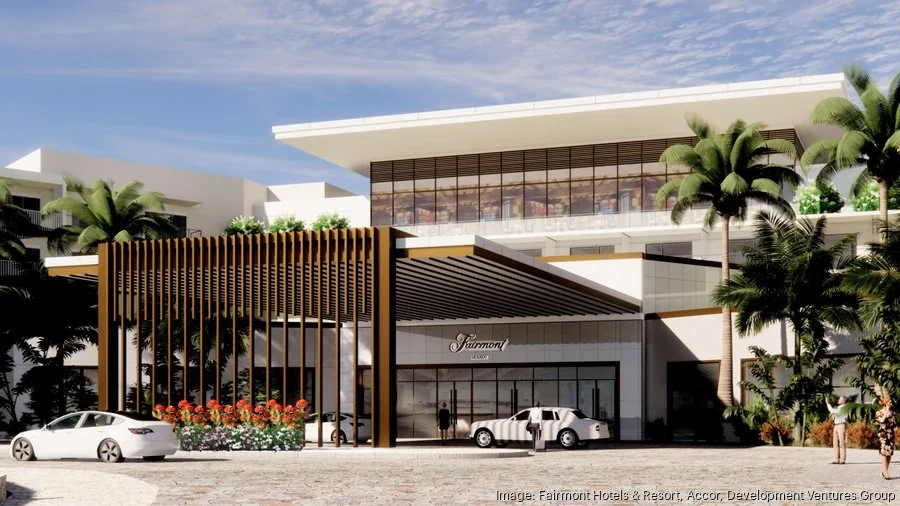
The hotel and entertainment buildout tied to Hall of Fame Village has brought large-span low-slope roofs, indoor entertainment and water attractions, and event center construction into a market that historically had a smaller hospitality footprint centered on I-77 and the Belden Village corridor. That mix of new-construction hospitality assets alongside older hotel and restaurant stock along I-77 near the airport in Green means we're working across a wide range of roof ages and systems in the same market.
Enshrinement weekend each summer draws a heavy spike in visitors to the area, and hotel operators plan around that calendar the same way retailers plan around a holiday season. That means roof work on an operating hotel has to be scheduled around occupancy calendars as carefully as weather windows.
Large-Span Roofs Over Ballrooms and Event Space
Event centers and hotel ballrooms typically need long clear spans with minimal interior support, which changes how the roof structure and membrane have to perform compared to a standard hotel guest-room wing. We look at deflection, drainage design across a large flat field, and how the roof handles snow load without the benefit of interior bearing walls breaking up the span.
Parapet and coping details matter more here too, because these buildings are designed to be seen from the street and from the stadium grounds. A roof edge that leaks or a coping joint that fails doesn't just cause a water problem, it shows up as visible staining on a building that's part of a destination's public face. We detail edge metal with that visibility in mind.
Keeping Guest Rooms and Events Running During Roof Work
- Scheduling noisy work like tear-off outside guest sleeping hours where the roof sits over occupied rooms
- Sequencing around booked event dates instead of a generic weekday schedule
- Protecting pool areas, outdoor patios, and entry canopies from debris during active work
- Coordinating staging and material delivery away from guest and valet entrances
- Keeping HVAC and rooftop mechanical serving occupied space running throughout the project
- Daily dry-in with no exposed roof left open overnight above finished interior space
A hotel operator can't shut down rooms or move a booked wedding because of a roof schedule. We build the plan around the property's calendar, and if that means working nights on a specific section or phasing a large roof into smaller segments to keep interruption minimal, that's what we price.
Matching Roof System to a New-Construction Hospitality Build
New hospitality construction gives us a chance to spec the right system from the start rather than working around what's already there. Depending on the roof geometry and how the building's architecture reads from ground level, we'll walk owners through options like a TPO membrane for large flat event space or a standing seam metal roof on visible entry features and canopies where appearance matters as much as performance.
We also flag drainage capacity early in design review. A ballroom or atrium roof with insufficient primary and overflow drainage is one of the more expensive mistakes to fix after construction, so we push that conversation into the design phase whenever we're involved early enough to do it.
Older Hotel Stock Along the I-77 Corridor
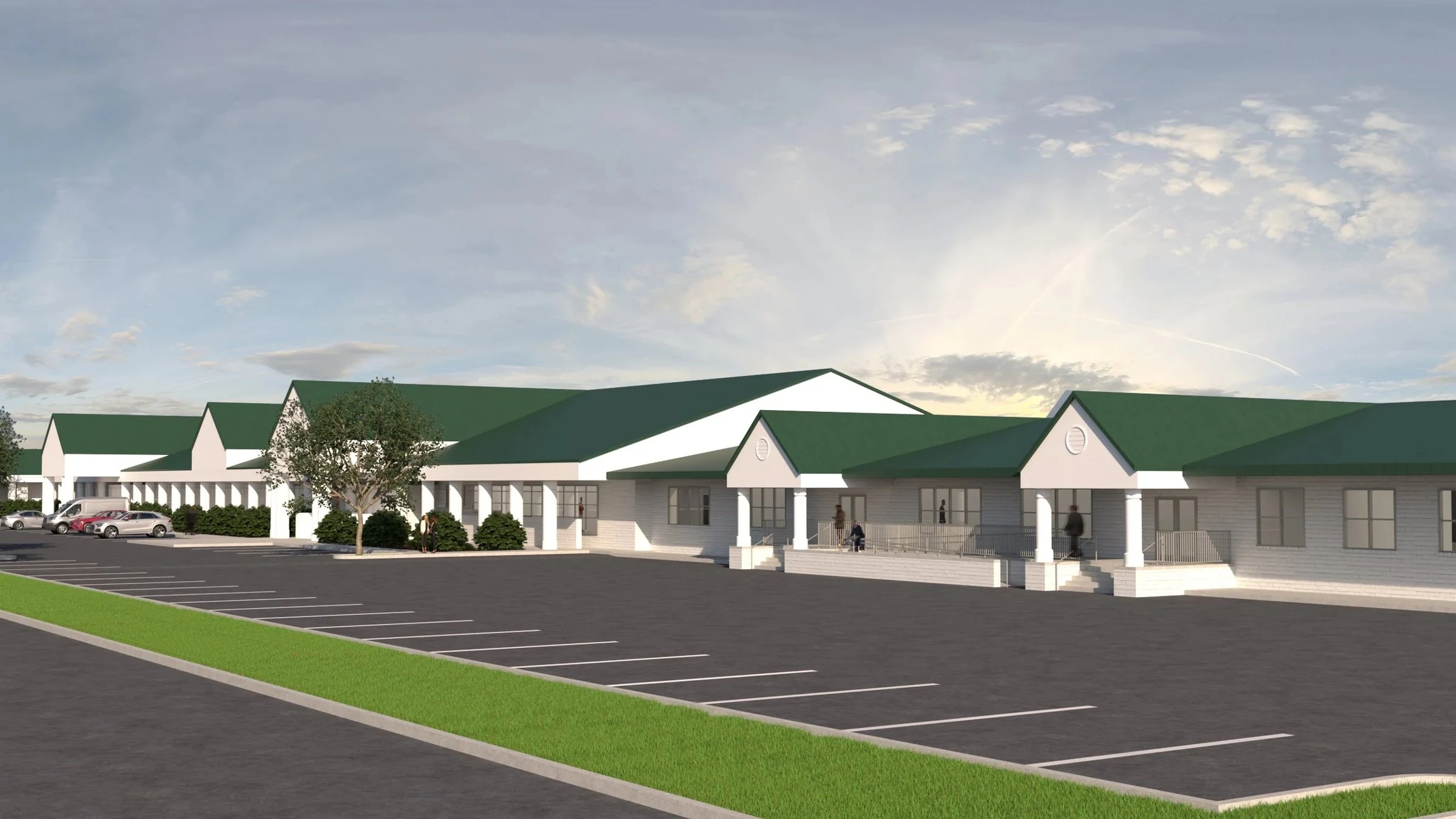
Not every hospitality roof in this market is new. Hotels and restaurants along I-77 near Green and the Akron-Canton Airport corridor are aging into recover or replacement decisions, and those buildings carry the same guest-occupancy scheduling challenge as newer properties, just without the benefit of a clean-slate design. We evaluate whether a recover system can extend service life without a full tear-off disrupting bookings, or whether the existing deck and insulation condition make replacement the more honest answer.
What Hospitality Operators Want to Know
Can roof work happen without disrupting guest bookings?
In most cases, yes. We plan the sequence around your occupancy calendar and can phase larger projects into sections so only a limited part of the property is under active work at a given time. We'll flag upfront if a particular scope genuinely requires a section of the building to be temporarily closed.
How do you handle noise concerns over guest rooms?
We schedule the loudest phases of tear-off and fastening during hours that don't conflict with guest sleep, and we communicate the schedule to your front desk and operations team in advance so guests aren't caught off guard.
Do you work around booked events and enshrinement week traffic?
We do. If your property has a heavy booking season tied to the stadium calendar or enshrinement weekend, we plan major roof work outside that window where possible, or we scale back to lower-impact tasks during the busiest stretch.
What roof system makes sense for a large event space?
It depends on the span, the drainage design, and how the roof reads from the ground given the building's public visibility. We'll walk through single-ply membrane options for the field roof and metal options for visible entry or canopy features as part of the same conversation.
Can you evaluate whether an older hotel roof needs replacement or can be recovered?
Yes. We inspect deck condition, insulation moisture, and membrane life before recommending either path, and we're direct about which option actually protects the building rather than deferring the same decision a few years down the road.