
Service Area
Assessment
Office
Buildings
Planning
Closeout
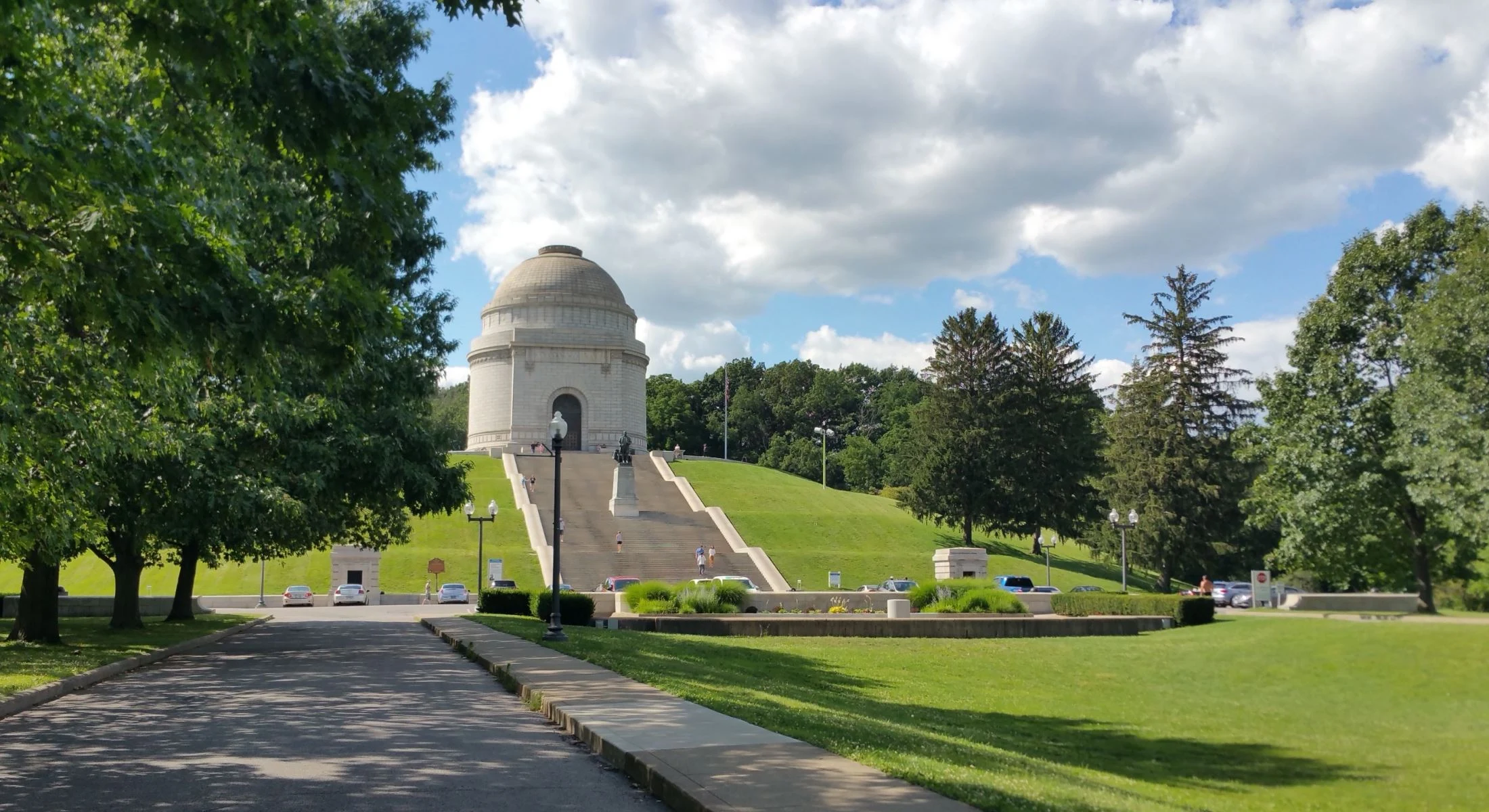
Commercial Roofers in Uniontown
For commercial properties in Uniontown, the defensible choice between repair, restoration, and replacement starts with roof-system condition, moisture findings, drainage performance, and remaining service life. Uniontown runs along the Cleveland Avenue corridor between Akron and Canton, close enough to Portage Lakes that a lot of the retail here serves both the local population and lake traffic in the warmer months. It's a landlord's town more than an owner-occupant town: strip plazas with several tenants under one roof, and light-industrial buildings leased out unit by unit. That structure shapes how we run every job here, since almost every decision touches more than one tenant's day-to-day operation, not only the building owner writing the check.
One Roof, Several Tenants, One Owner Making the Call
A leak in one tenant's space on a shared plaza roof is rarely isolated to that unit alone. Water travels along the deck before it finds a way down through the ceiling, so what looks like a problem over the shoe store might actually originate three units over near an old rooftop unit curb. We map leak paths across the whole roof section, not only the unit that called it in, and we report findings to the property owner in a way that shows the real scope, not only the symptom. That mapping step matters most on older plazas, where roof sections were sometimes added at different times and don't drain quite the way a single continuous roof would.
Coordinating repair timing across multiple tenant businesses is its own job. We work with the property manager to sequence access so we're not blocking a loading dock during a delivery window or working overhead while a restaurant tenant has a lunch rush underneath.
Light-Industrial Units and Turnover Between Tenants
The light-industrial buildings around Uniontown see more tenant turnover than a typical single-owner plant, and every new tenant tends to bring their own HVAC or process equipment that gets bolted to the roof. Over ten or fifteen years that adds up to a roof with more penetrations and patch history than the original design ever accounted for. Before quoting a recover or replacement here we walk every curb and pitch pan individually rather than estimating off square footage alone. A roof with fifteen properly flashed penetrations costs less to maintain long-term than one with the same count done piecemeal by whichever HVAC crew happened to be on site that week.
What We Check Before Recommending a Recover Over Replacement
- Moisture content in the existing insulation via test cuts
- How many prior recover layers are already on the deck
- Whether existing drains and scuppers can handle current code flow rates
- Condition of rooftop unit curbs added after the original install
- Remaining structural capacity for additional roof weight
A recover can be the right call on a plaza roof that's structurally sound but cosmetically and thermally behind, but we won't recommend one over wet insulation just because it's the cheaper number this quarter.
Seasonal Pressure From Portage Lakes Traffic
Retail near Uniontown sees a real seasonal swing with lake traffic in the summer months, and property owners don't want roof work disrupting the businesses that depend on that seasonal revenue. We push maintenance and larger project scheduling toward the shoulder seasons, spring before the rush and fall after it, so summer stays clear for the tenants who need it most. An inspection or minor repair can still happen mid-summer if it's urgent, but anything with staging, noise, or extended crew presence waits for a calmer stretch on the calendar.
Loading Docks, Deliveries, and Working Around a Live Plaza
Most of Uniontown's plazas run a loading dock or rear service area shared by several tenants, and that's usually where a lot of the roof-relevant activity happens outside of customer view: dumpster service, deliveries, HVAC contractors coming and going. We stage our own material drops and lift access through those same rear areas, but only after confirming delivery windows with the property manager so we're not the truck blocking a grocery tenant's restock schedule on a Tuesday morning. Getting that sequencing wrong even once tends to generate a call to the property manager that has nothing to do with the actual roof work, and we'd rather avoid that friction altogether.
We also flag anything we notice at the rear of a building that isn't roof scope but affects roof access, damaged ladders, blocked roof hatches, or overgrown landscaping crowding a fire escape route to the roof. It's a small thing to mention, but it saves the next contractor, whether that's us or someone else, from showing up to a job they can't safely start.
Questions From Uniontown Property Managers
How do you handle a leak that could be coming from a neighboring unit's equipment?
We trace the water path across the full roof section rather than assuming the leak originates directly above the affected unit, since membrane roofs often move water sideways before it drops.
Can you schedule work around a tenant's busy season?
Yes, we plan larger projects for spring or fall specifically to avoid disrupting summer lake-traffic revenue for retail tenants.
Do you coordinate directly with tenants or only the property owner?
We work through the owner or property manager for contract and access decisions, keeping tenants informed as needed for scheduling.
What's the biggest cause of leaks on multi-tenant plaza roofs here?
Accumulated rooftop unit curbs and patch history from years of tenant turnover, more often than the membrane field itself.
Is a recover always cheaper than full replacement?
Usually up front, but not always the right long-term call. We'll tell you honestly if the insulation underneath won't support another layer.