
Service Area
Assessment
Office
Buildings
Planning
Closeout

PVC Membrane for Grease, Chemical, and Exhaust Exposure
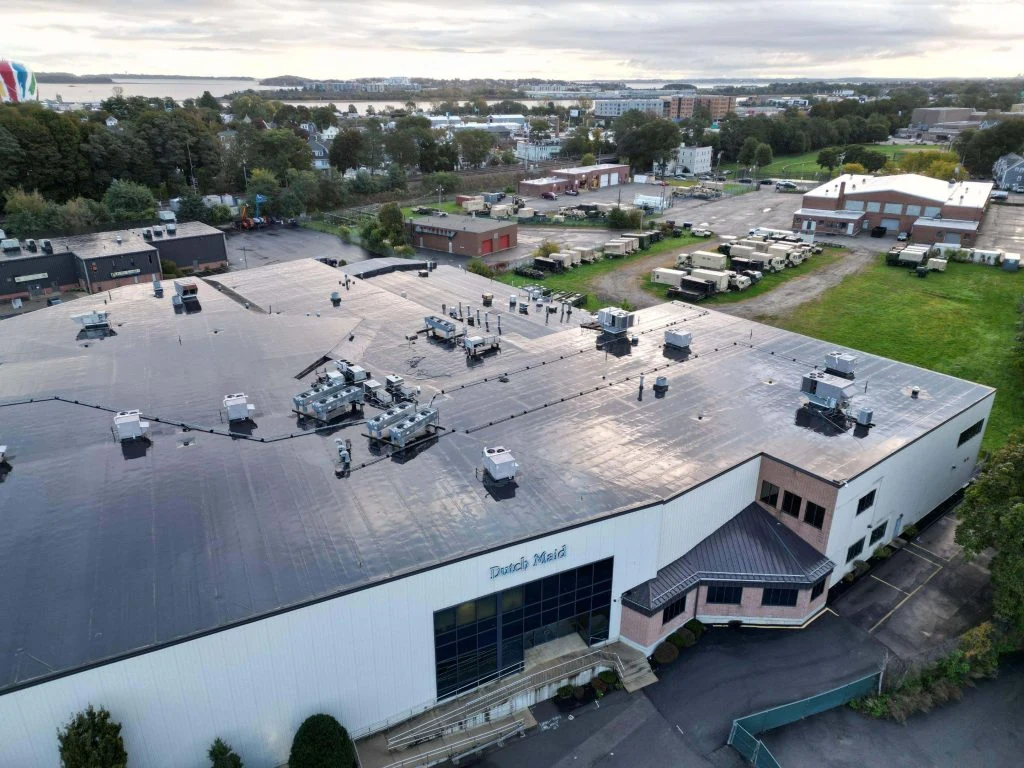
Not every roof around Canton just deals with weather. Food processing plants near Massillon, restaurant rooftops with grease exhaust, and manufacturing buildings venting solvents or oils all put chemical stress on a membrane that a standard TPO roof isn't built to handle. That's where we bring in PVC.
Why Chemical Resistance Matters Here
Stark County's economy still runs on food processing and manufacturing, and both put things on a roof surface that plain single-ply membrane wasn't designed for. Grease exhaust from a restaurant hood, oil residue from a machine shop's rooftop makeup air unit, solvent fumes from a paint line — all of it lands on the membrane over time, and standard TPO can soften or degrade under sustained contact with fats and oils.
PVC's chemistry resists that kind of exposure in a way TPO and EPDM don't. If your facility has a kitchen exhaust fan, a grease trap vent, or any process that puts oil-based residue on the roof deck, PVC is usually the right call even though it costs more upfront than TPO.
Heat-Welded Seams in a Cold Climate
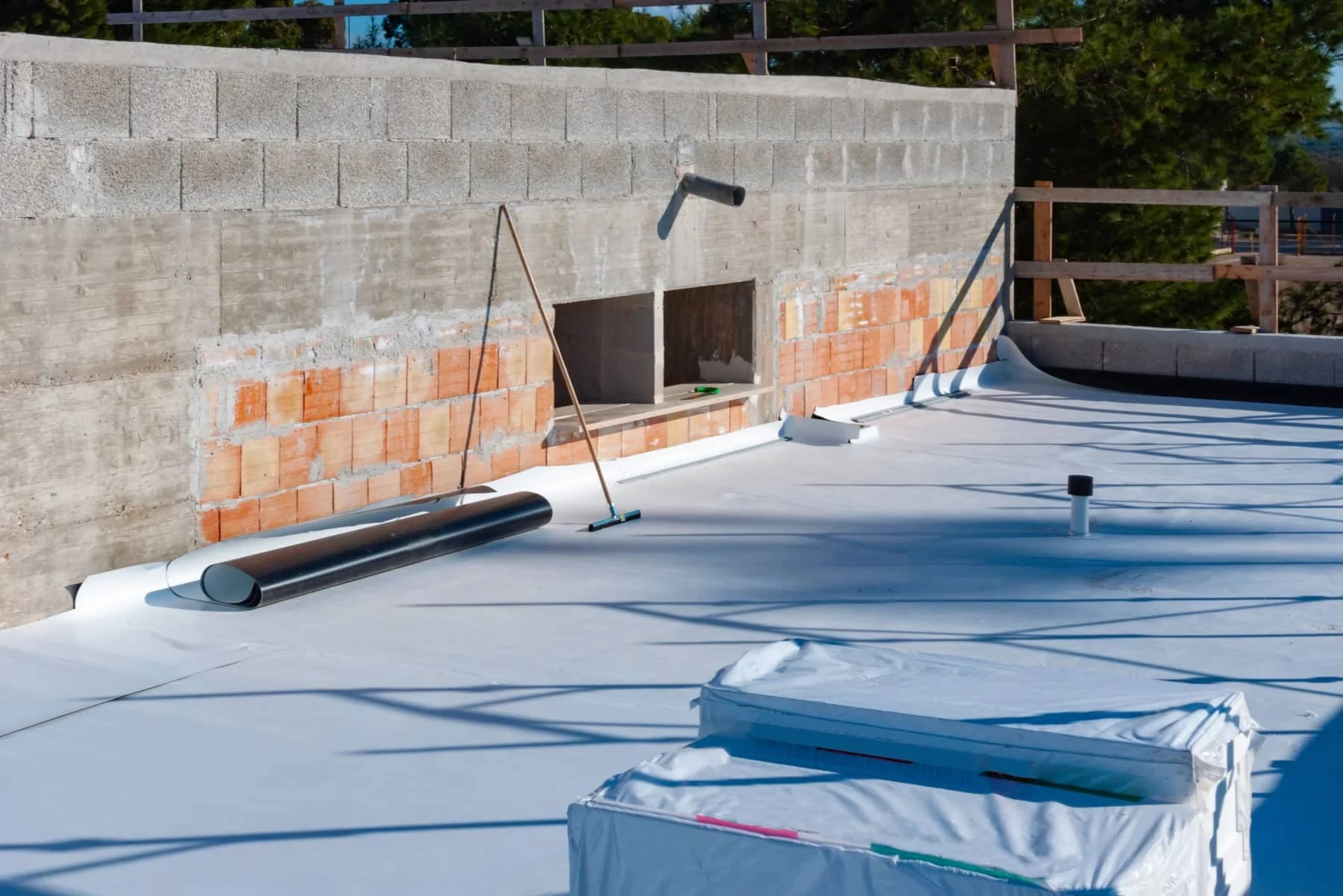
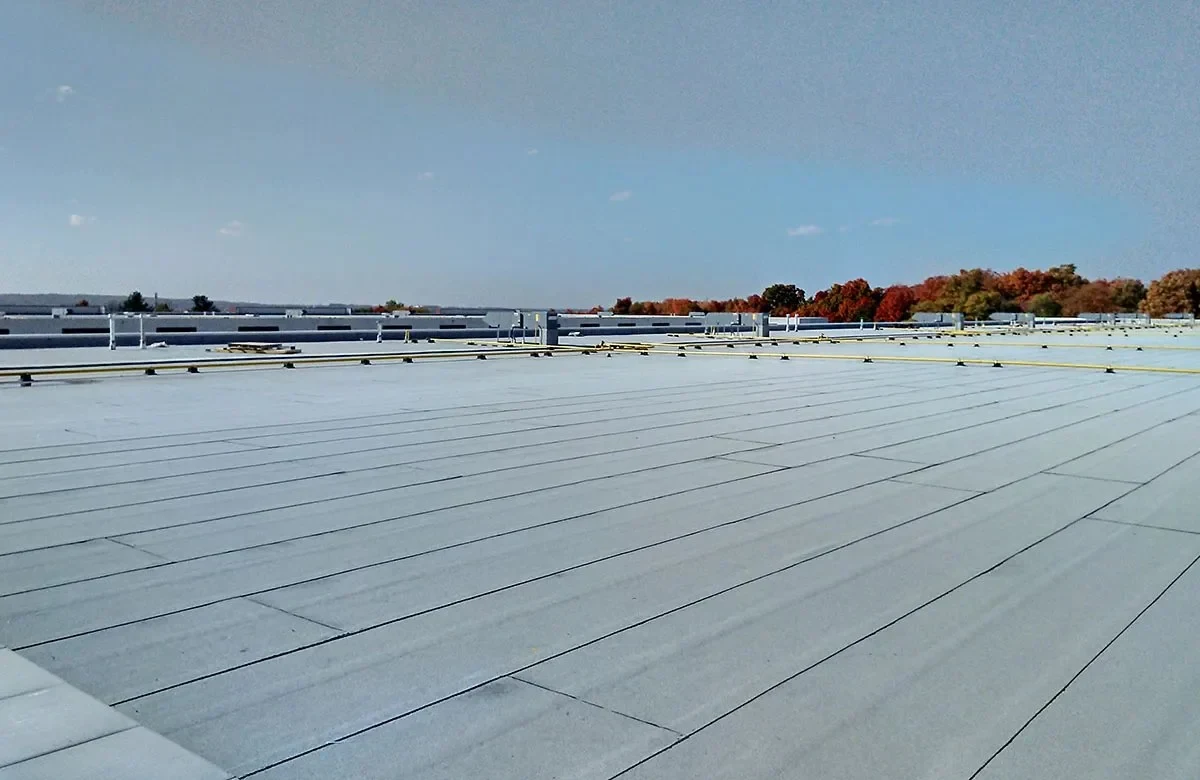
Like TPO, PVC seams are heat-welded, which gives you a genuinely fused seam rather than an adhesive bond that can degrade under freeze-thaw cycling. For a facility running food service or manufacturing year-round, that seam strength matters through Stark County winters when a failed seam means water finding its way into a working kitchen or a production floor.
We probe-test every welded seam on installation and document the results, the same standard we hold for TPO. On a PVC roof over an active food service operation, a seam failure goes beyond a maintenance headache, it can mean a health inspection issue, so we don't cut corners on seam quality here.
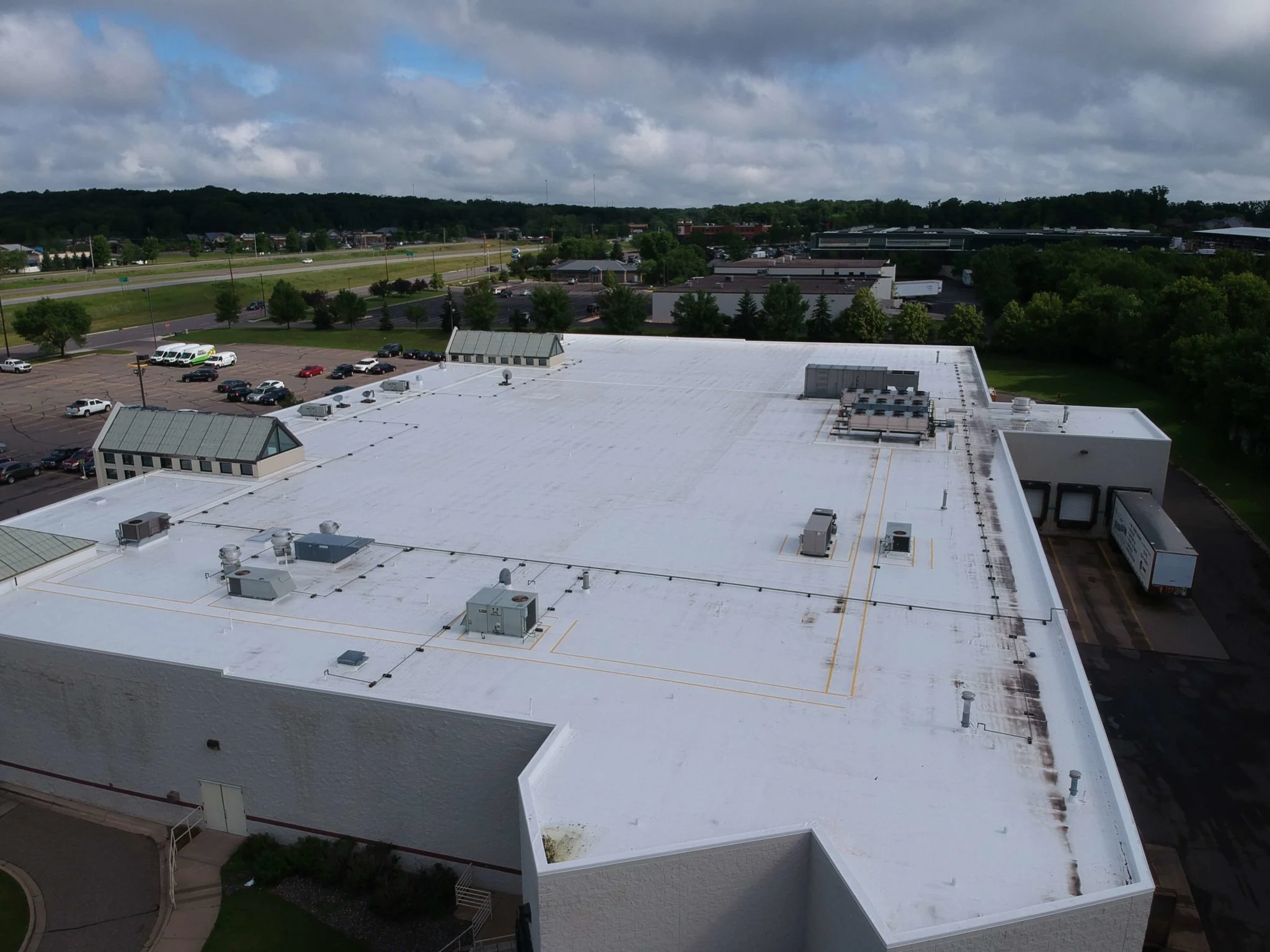
Where We See PVC Specified Around Canton
- Restaurant and food service rooftops with grease exhaust exposure
- Food processing and packaging plants near Massillon and Orrville
- Manufacturing buildings with solvent, oil, or chemical process venting
- Buildings requiring higher fire resistance ratings for code compliance
- Roofs with rooftop kitchen equipment or makeup air units
Cost Versus TPO, and When It's Worth It
PVC runs more expensive per square than TPO, and we're upfront about that during the estimate. For a standard office or retail roof with no chemical exposure, we won't push PVC on you just to sell a pricier system, TPO does the job and saves you money. The calculation changes fast, though, once grease, oil, or solvent exposure is part of the picture.
We'll walk your roof and your process before recommending either system, because the wrong membrane choice here doesn't fail gracefully. A TPO roof under sustained grease exposure can start showing problems within a few years, well short of what you'd expect from a properly specified system.
We also look at what's changed if your building has had a tenant turnover. A space that used to house a retail tenant and now has a restaurant with a hood exhaust system needs a roof reassessment, rather than an assumption that whatever membrane is up there is still the right fit for the new use.
Maintenance on a PVC Roof With Active Exhaust
If your rooftop has an active exhaust source, routine cleaning around that equipment matters more than it does on a clean-exposure roof. Grease and residue buildup around a hood exhaust vent, left unaddressed, will eventually find a seam or penetration to work into even on chemical-resistant membrane. We build that into any preventive maintenance program we set up for a food service or processing client.
We also check exhaust fan curbs and grease containment specifically during inspections on these roofs, since that's the detail most likely to be the actual leak source when everything else looks fine.
PVC Roofing Questions From Facility and Kitchen Managers
Is PVC really necessary, or is that just an upsell for a normal restaurant roof?
If you've got active grease exhaust, it's a legitimate difference, not an upsell. We've seen standard membrane degrade under sustained grease exposure in a way that PVC simply doesn't. If your exhaust load is light, we'll tell you that honestly too.
Can PVC be installed over our existing modified bitumen roof?
Sometimes, depending on the condition of the existing roof and code layer limits. We'll evaluate the deck and existing system before recommending recover over tear-off.
How often should we be cleaning around our rooftop grease exhaust equipment?
That depends on your exhaust volume, but for active kitchens we generally recommend quarterly checks at minimum, tied into a broader preventive maintenance visit so it's one trip, not a separate call.
Does PVC handle Ohio's freeze-thaw cycling as well as TPO?
Yes, the heat-welded seam performs similarly to TPO under freeze-thaw stress. The main difference between the two systems is chemical resistance, not cold-weather performance.
What's the actual cost difference between PVC and TPO for our building?
It varies by project, but PVC typically runs higher per square foot than TPO. We'll give you both numbers side by side during the estimate so you can weigh the added chemical resistance against the added cost for your specific exposure. Rooftop equipment isn't usually part of a standard health inspection, but a seam failure that lets water into a working kitchen becomes a health and safety issue fast, which is part of why we hold seam quality to a higher standard on any roof over active food service space.