
Service Area
Assessment
Office
Buildings
Planning
Closeout




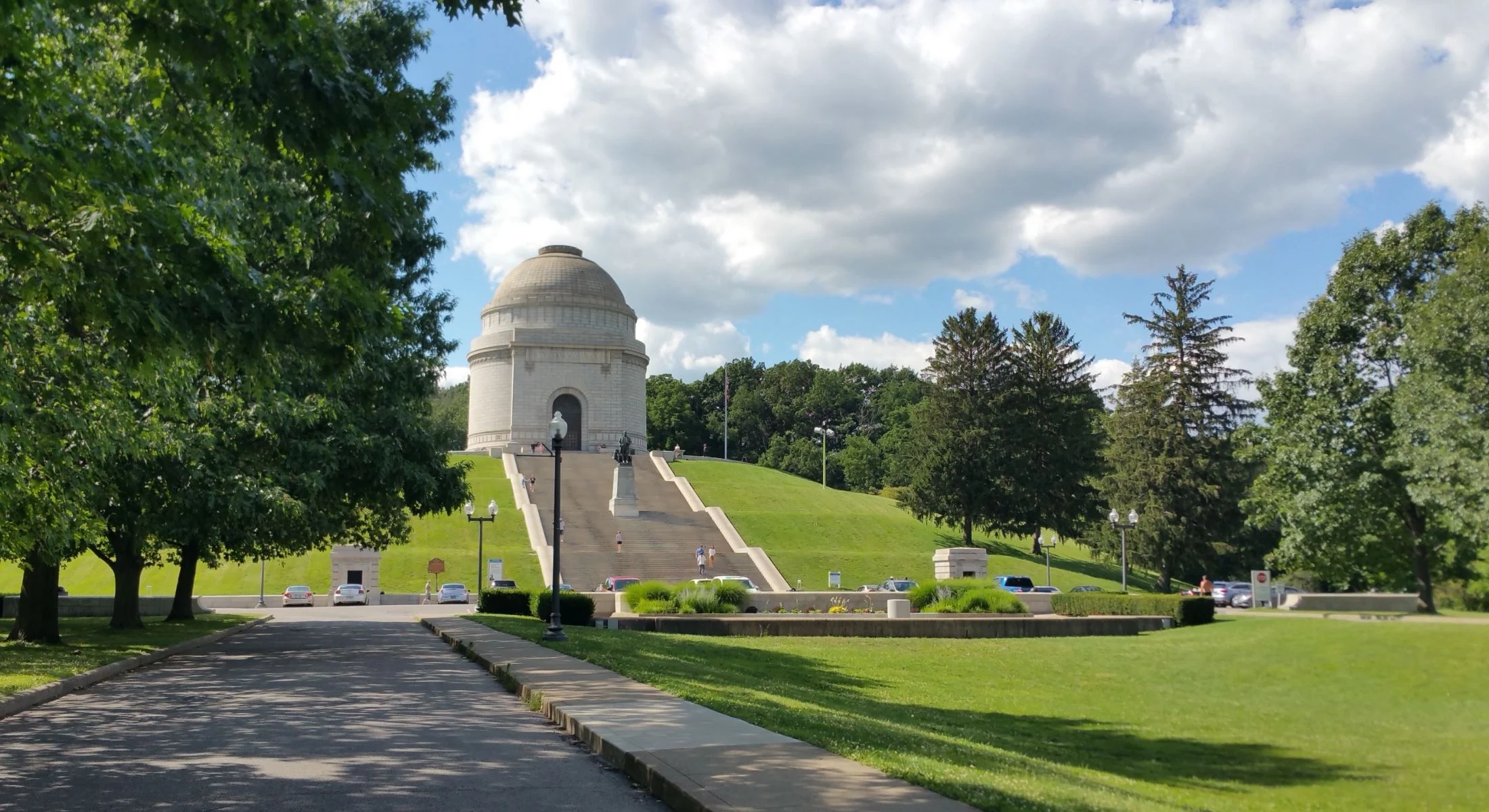
Storm Damage Roof Documentation and Restoration Around Canton
Stark County gets a real mix of severe weather across the year, from spring and summer thunderstorms carrying hail and straight-line wind to winter freeze-thaw cycling that works on flashing and sealant long after the storm itself has passed. We document what a roof actually shows after weather damage and build the restoration scope from that record.
The Weather Pattern Behind Most of Our Storm Calls
Ohio sits far enough into the storm track that spring and summer bring genuine hail and wind risk on top of heavy rain. A fast-moving line of thunderstorms can drop hail across part of Stark County and leave a neighboring area untouched, which is why we treat every storm call as its own inspection rather than assuming damage patterns from one roof apply to the next building over.
Winter brings a different kind of stress. Freeze-thaw cycling opens up sealant joints, works metal fasteners loose, and can drive water into insulation through openings that were too small to notice during a summer inspection. Ice damming at parapets and roof-to-wall transitions is a common source of interior leaks that show up weeks after the actual freeze event.
What We Document During a Storm Inspection
Our inspection after a wind or hail event focuses on evidence that holds up to scrutiny, not a general impression that the roof "looks rough." We photograph and record specific conditions in a way that a facilities manager, an owner, or an adjuster can follow without having been on the roof themselves.
- Hail bruising or fracturing on membrane, coating, and pipe boots
- Dented or displaced edge metal, coping, and rooftop equipment housings
- Lifted or torn membrane at seams and perimeter attachment points
- Clogged or damaged drains and scuppers from wind-blown debris
- Interior leak paths and ceiling staining traced back to a specific roof condition
- Pre-existing wear versus storm-related damage, documented separately
That last point matters more than people expect. Separating storm damage from ordinary wear and aging is part of what makes a documentation package credible, and we'd rather give you an honest split than a report that treats every roof flaw as storm-caused.
Documentation Support, Not Claim Promises
We provide the roof-level facts an insurance conversation needs: photos, measurements, condition notes, and a clear description of what we found and where. We don't make coverage decisions and we don't promise a claim outcome, because that call belongs to the carrier and the adjuster, not the roofing contractor. What we can do is make sure the roof evidence is documented thoroughly enough that the conversation is based on what's actually on the roof.
Our insurance documentation support covers the full inspection record, and we're available to walk the roof with an adjuster or public adjuster if that's useful to your process.
Emergency Water Control Before Permanent Repair
When a storm leaves active water intrusion, the first priority is stopping water, not finalizing a restoration scope. We can get emergency tarping or dry-in in place quickly to protect the interior and the roof assembly while the permanent repair or restoration plan gets worked out, so a bigger decision doesn't get rushed just because water is actively coming in.
Once the building is protected, we separate the emergency response from the permanent scope. A fast patch over storm damage without addressing what's underneath, especially trapped moisture, tends to create a second failure that's harder to diagnose later, so we treat the two phases as distinct.
Restoration Scope Once Damage Is Confirmed
Depending on what the inspection shows, restoration might mean targeted repair at damaged seams and flashing, a coating system over a membrane that's still structurally sound, or full tear-off and replacement where saturated insulation or deck damage has pushed the roof past the point where repair makes economic sense. We lay out those options with the same documentation used for the insurance conversation, so the restoration decision and the claim conversation are working from the same facts.
Coordinating Restoration Timing With Claim Review
Claim review can take weeks, and a facilities manager is often stuck deciding how much repair work can move forward before a final claim decision comes back. We can usually separate a scope into work that makes sense regardless of the claim outcome, like sealing an active leak point, from larger restoration decisions better held until the claim process is further along.
Where a building owner wants to move forward with full restoration ahead of a final claim resolution, we document that decision clearly so there's no confusion later about what was completed before versus after the claim was settled.
Questions We Get About Storm Damage Claims
Will you tell me if my claim is likely to be approved?
No, and any contractor who tells you that upfront is guessing. We document the roof condition thoroughly and factually. Whether a claim is approved and for how much is a decision made by the carrier based on your policy and their adjuster's review.
How soon after a storm should the roof be inspected?
As soon as reasonably possible, especially after hail or high wind. Some damage, like hairline membrane fractures or displaced fasteners, is easier to identify before weeks of additional weather exposure change the roof surface.
Can you tell the difference between storm damage and normal aging?
That's a core part of the inspection. We document both separately, because conflating age-related wear with storm damage undermines the credibility of the whole report.
Do you work directly with adjusters or public adjusters?
We're glad to walk the roof with an adjuster or public adjuster and answer questions about what we found. We stick to roof-level facts and leave the coverage determination to the parties responsible for that decision.
What happens if the roof is still leaking while the claim is being reviewed?
We can get emergency tarping or temporary dry-in in place to stop active water intrusion while the claim and restoration scope are worked out, so the building isn't taking on more interior damage during that process.