
Service Area
Assessment
Office
Buildings
Planning
Closeout


Where a Flat Roof Fails First — At the Drain
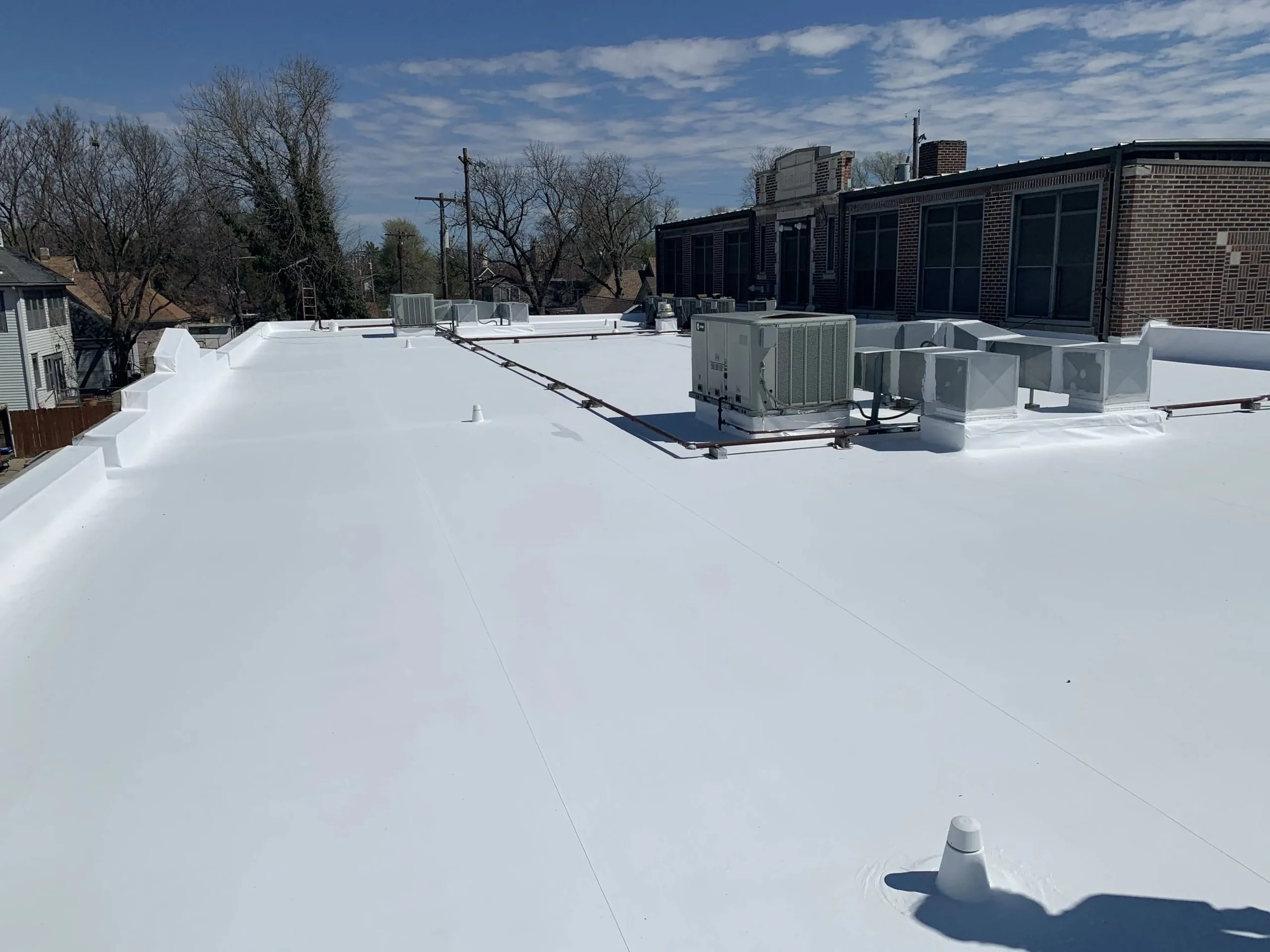
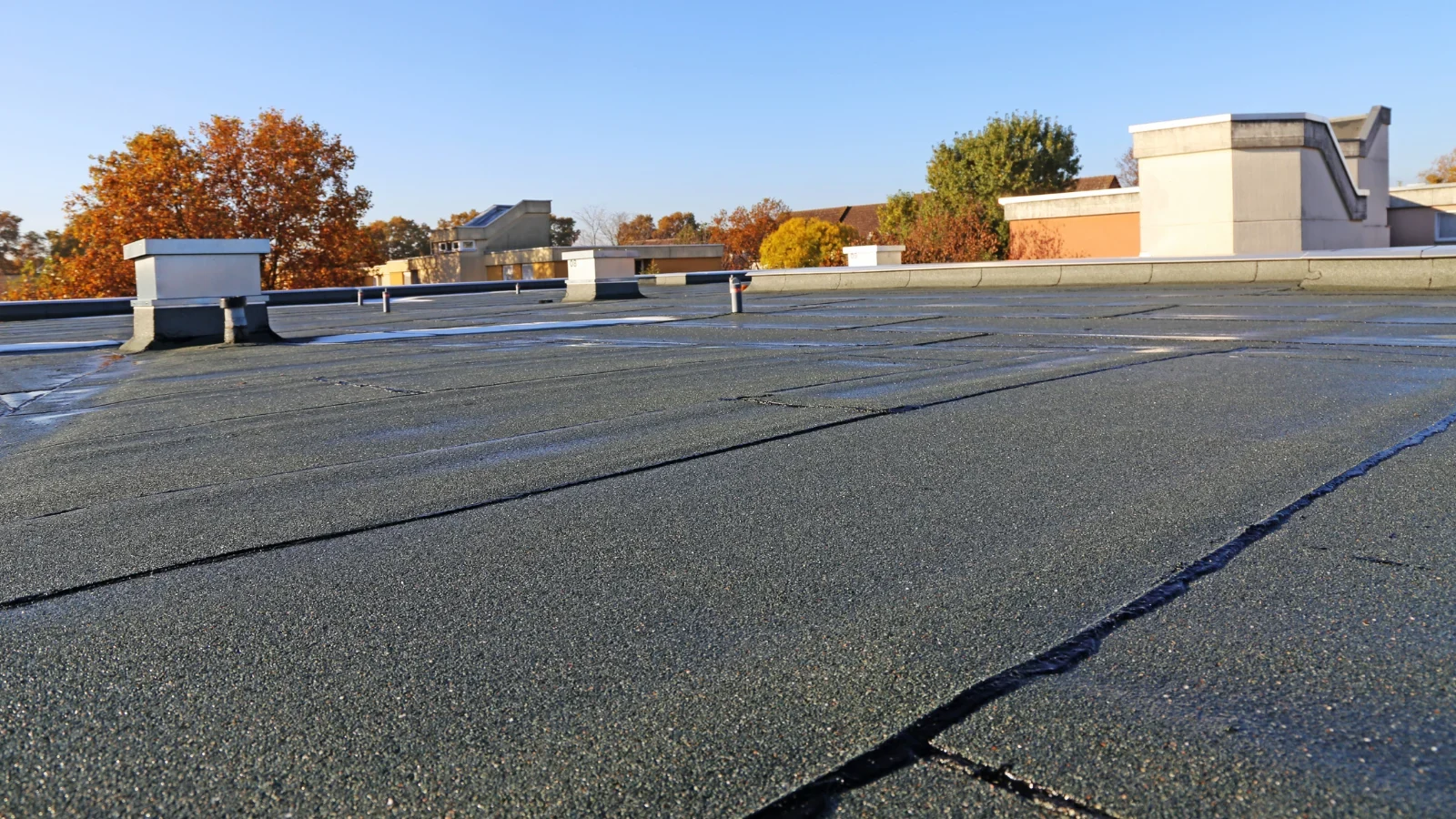
A flat commercial roof is designed to shed water to a drain or scupper, and every part of that system — the bowl, the strainer, the leader, the scupper opening — has to actually work for the roof to perform the way it was designed. When a drain clogs or a scupper is undersized, the roof doesn't fail dramatically, it fails slowly, under standing water that most facilities managers never think to check for until a ceiling stain shows up two floors down.
Why Standing Water Is More Than an Eyesore
Ponding water adds real dead load to a roof structure, especially after a heavy rain when a low spot can hold several inches across a wide area. Beyond the structural load, standing water accelerates membrane aging — UV breaks down submerged membrane differently than dry membrane, and any small defect under a pond becomes a guaranteed leak instead of a maybe. We treat persistent ponding as a priority finding on any inspection, not a minor note at the bottom of the report.
Ponding that shows up in the same spot after every rain usually means either a low point in the deck that needs tapered insulation to correct, or a drain that isn't actually pulling water the way it should. We check both before recommending a fix.
Interior Drains and Scuppers Do Different Jobs
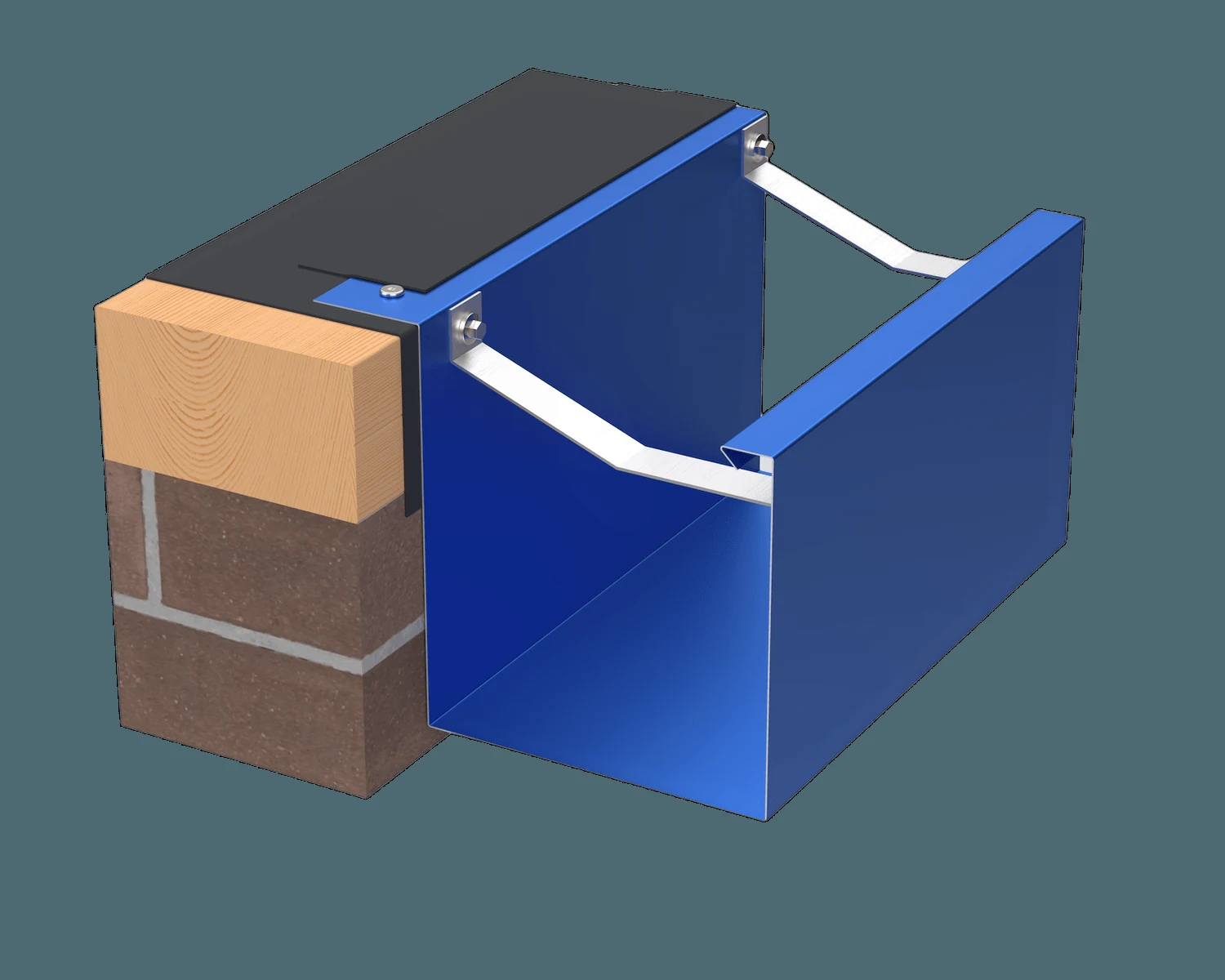
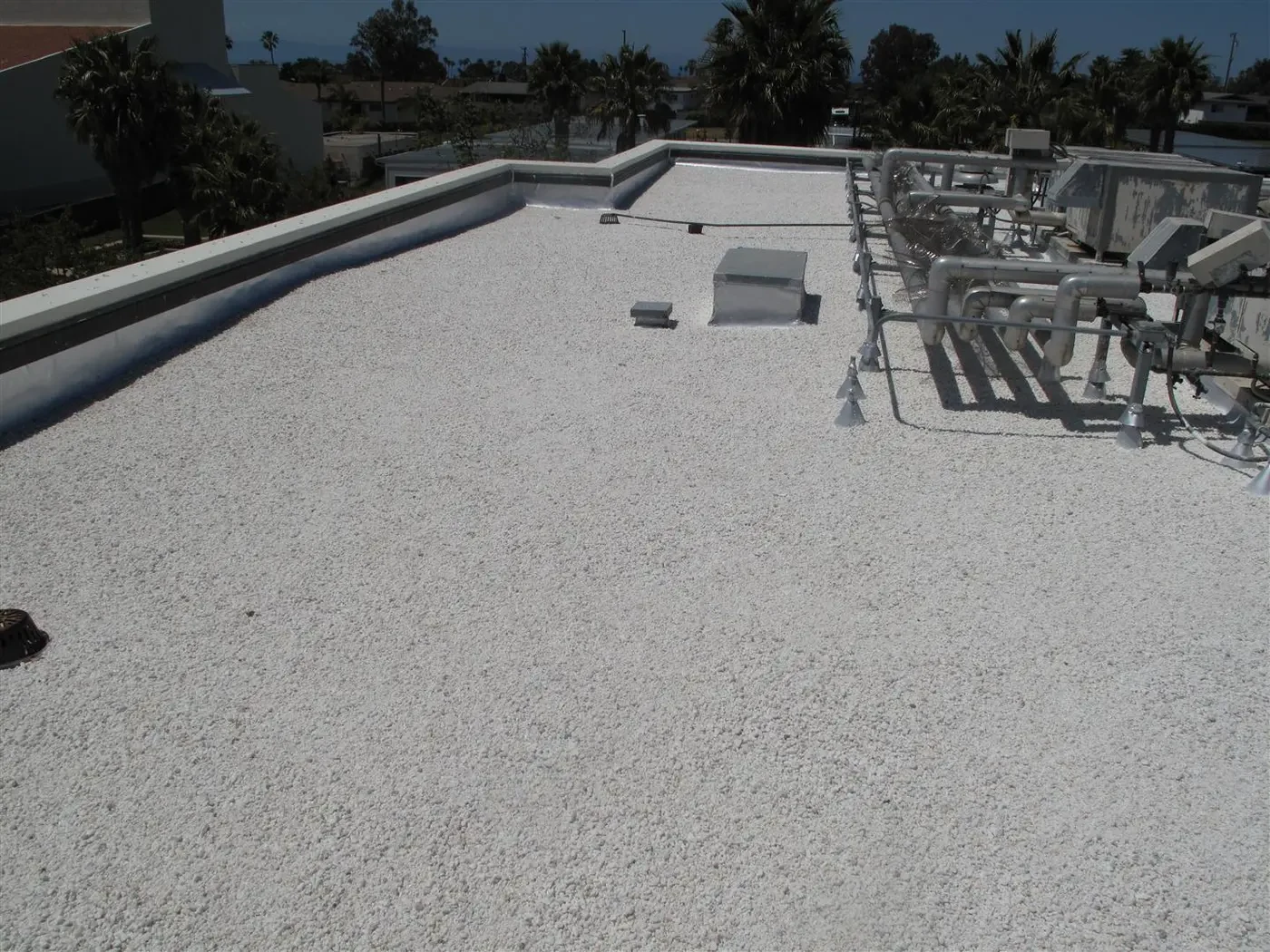
Interior drains pull water down through the building's plumbing system and work well on large flat roofs where getting water to the perimeter isn't practical. Scuppers push water off the roof edge directly, often paired with a conductor head and downspout, and tend to show up on smaller buildings or as overflow protection alongside primary interior drains. Most commercial roofs in this market use interior drains as primary drainage with scuppers set slightly higher as overflow — if you ever see water coming out of a scupper regularly, that's usually a sign the primary drains aren't handling their share.
What a Drain Maintenance Check Covers
- Clearing debris, granules, and sediment from drain bowls and strainers
- Checking that strainer baskets are present and properly seated
- Confirming water actually flows through the drain, since a visually clear opening can still be blocked further down the leader
- Inspecting scupper openings and conductor heads for blockage or damage
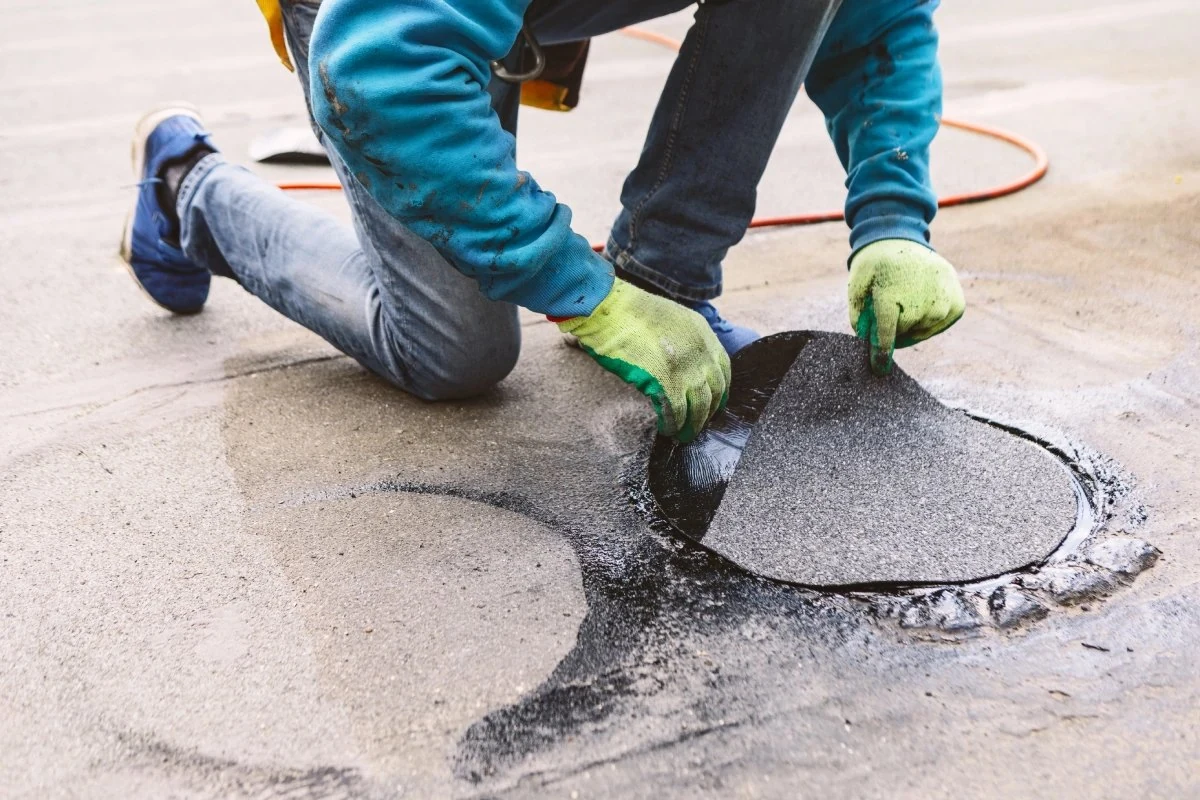
- Checking flashing and membrane seal around every drain and scupper penetration
- Verifying overflow scuppers are set at the correct height above primary drains
This is a maintenance-visit staple for a reason — it's one of the fastest checks to run and one of the most common failure points we find.
Ice at the Drain Is a Winter-Long Problem Here
Northeast Ohio's freeze-thaw pattern hits drains especially hard. Meltwater during a thaw refreezes overnight around a drain bowl or inside a scupper opening, and the ice can block the opening entirely just as the next thaw sends more water at it. That backed-up water finds the path of least resistance, which is often under flashing that was never designed to hold standing water against it. We see a real jump in drain-related leak calls every year in the late-winter thaw stretch, and it's almost always traceable to a drain that was already partially blocked going into the cold.
Sizing Drainage for Your Actual Roof
Drain and scupper capacity has to match the roof area actually feeding it, and a lot of older buildings carry drainage sized for a roof configuration that's changed since original construction — an addition, a re-roof with different slope, or new rooftop equipment altering water flow patterns. When we're scoping drainage work, we calculate based on your building's current roof area and local rainfall intensity rather than defaulting to the same size that was there before.
We run into this most on manufacturing buildings around Massillon and Alliance that have added roof area through expansions over the decades without ever revisiting the original drainage plan. A drain system sized for a building half its current footprint is going to pond in a hard rain no matter how well it's maintained, and no amount of clearing debris fixes an undersized system.
Adding a scupper or a second interior drain to an existing roof is usually far less disruptive than it sounds, and it's often the fix that finally stops a persistent ponding complaint that spot repairs and tapered insulation alone haven't solved.
Drainage Questions That Come Up Most
How often should drains be checked?
At minimum twice a year as part of routine maintenance, plus after any major storm that could have pushed debris into the system.
Why does water keep pooling in the same spot on our roof?
It's usually either a low point in the deck or a drain that isn't pulling its share of water. We check both before recommending tapered insulation or drain repair.
Can you fix ponding without a full reroof?
Often, yes. Tapered insulation crickets or drain repair can correct a lot of ponding issues without touching the rest of the membrane.
What causes drains to freeze up in winter?
Debris that was never fully cleared, combined with the freeze-thaw cycle, narrows the opening until ice can block it completely during a hard freeze.
Are our scuppers supposed to have water coming out of them regularly?
Not usually, if they're set as overflow. Regular scupper discharge often means your primary interior drains need attention.