
Service Area
Assessment
Office
Buildings
Planning
Closeout
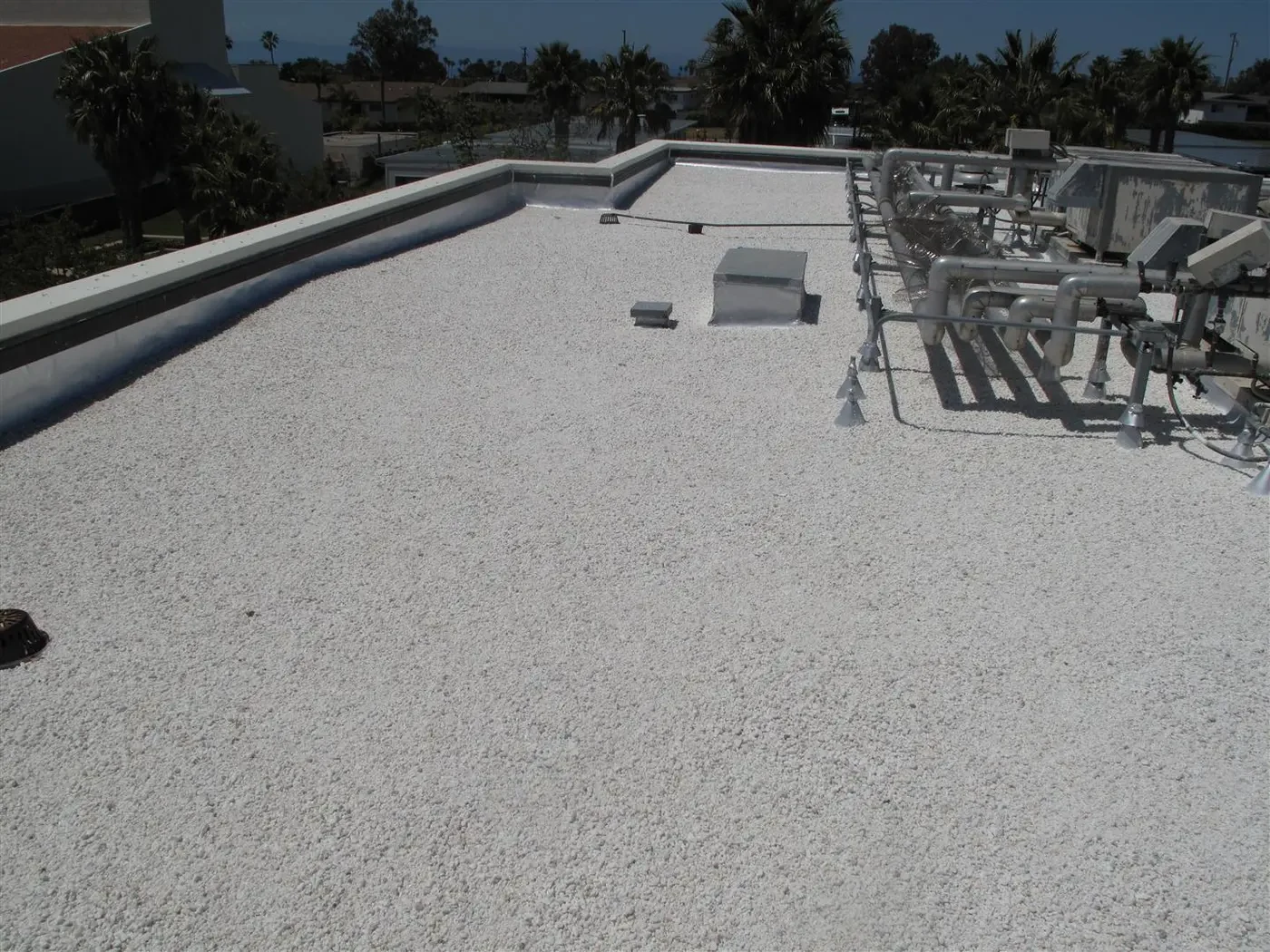
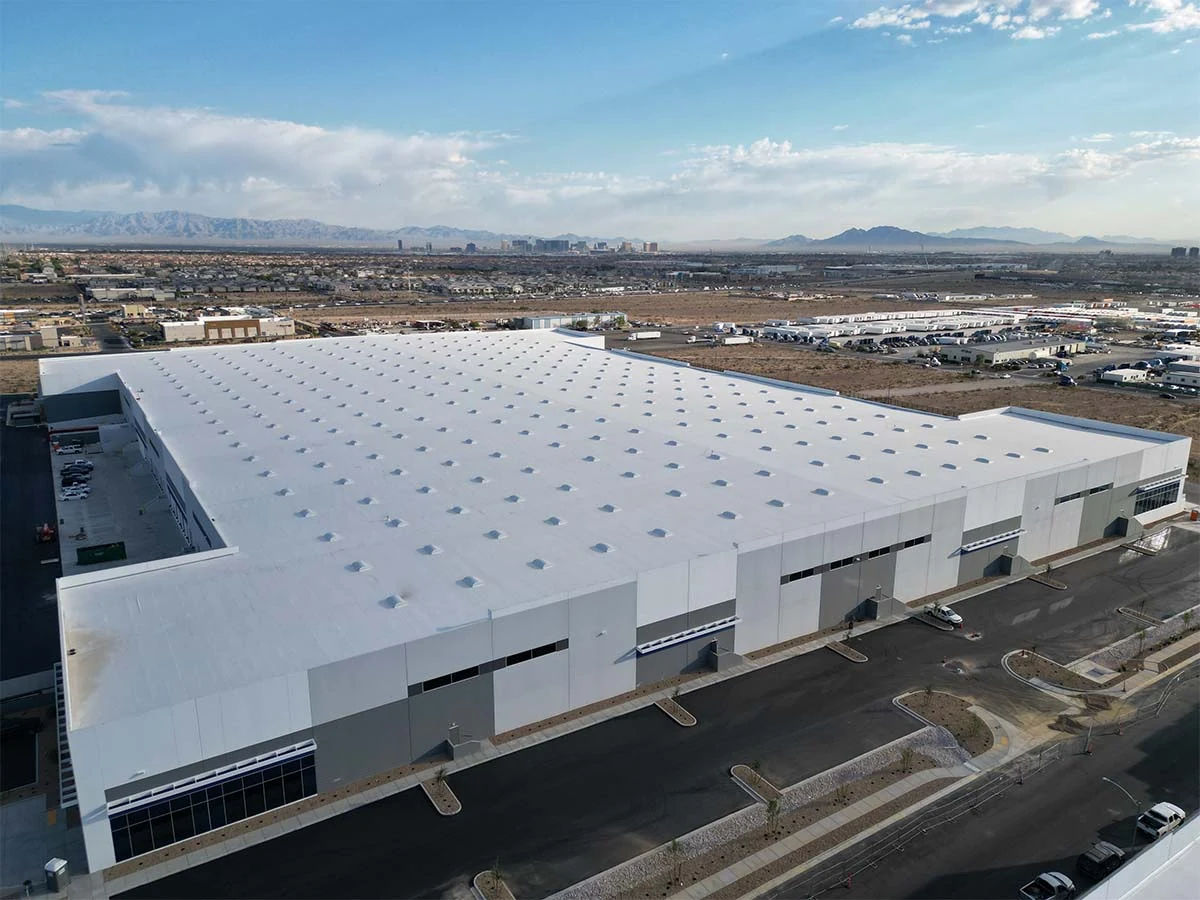
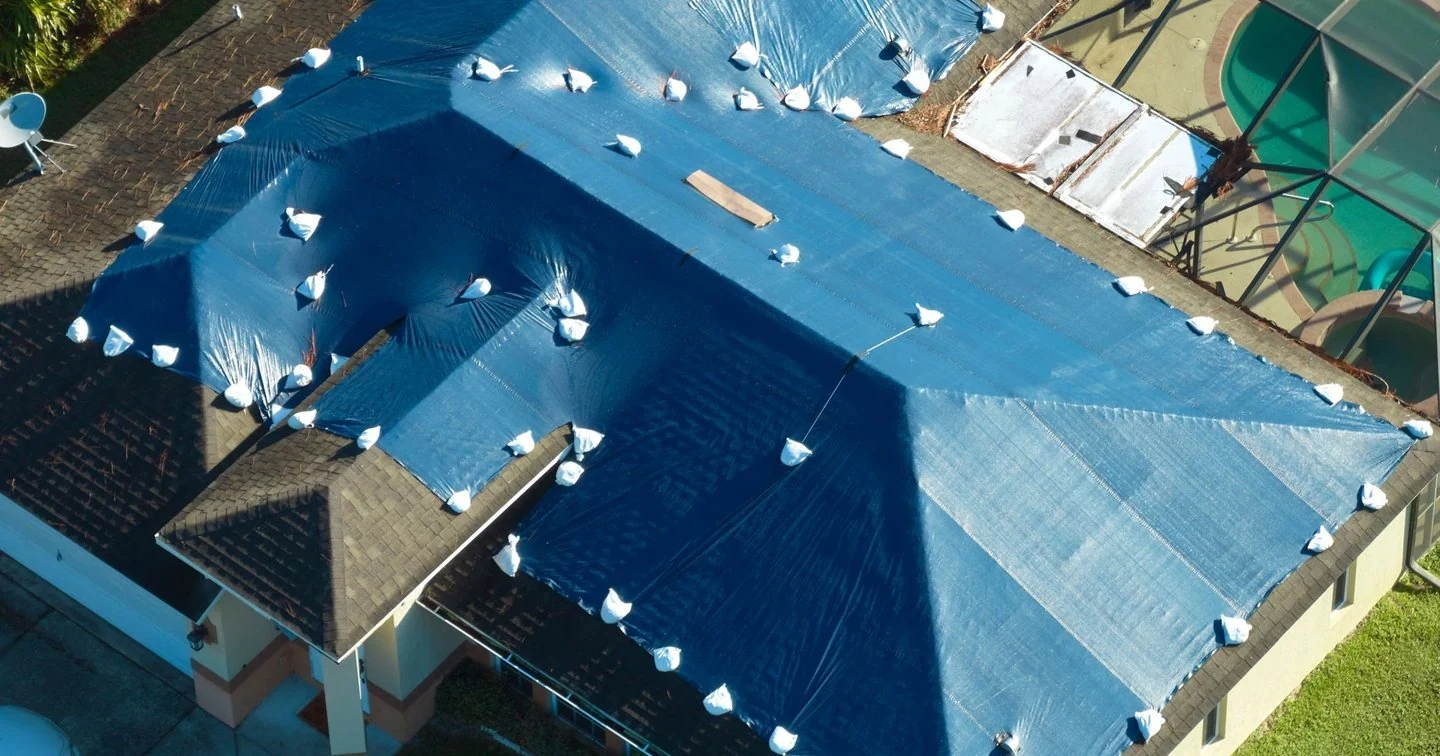
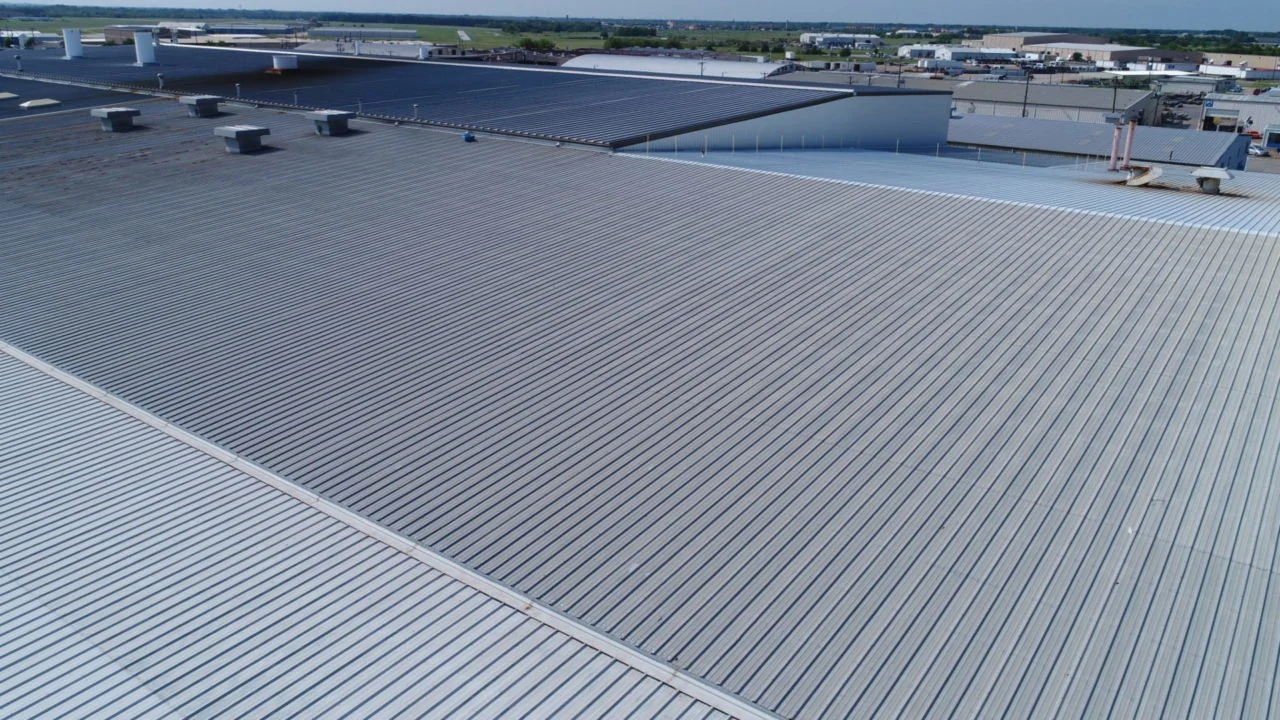
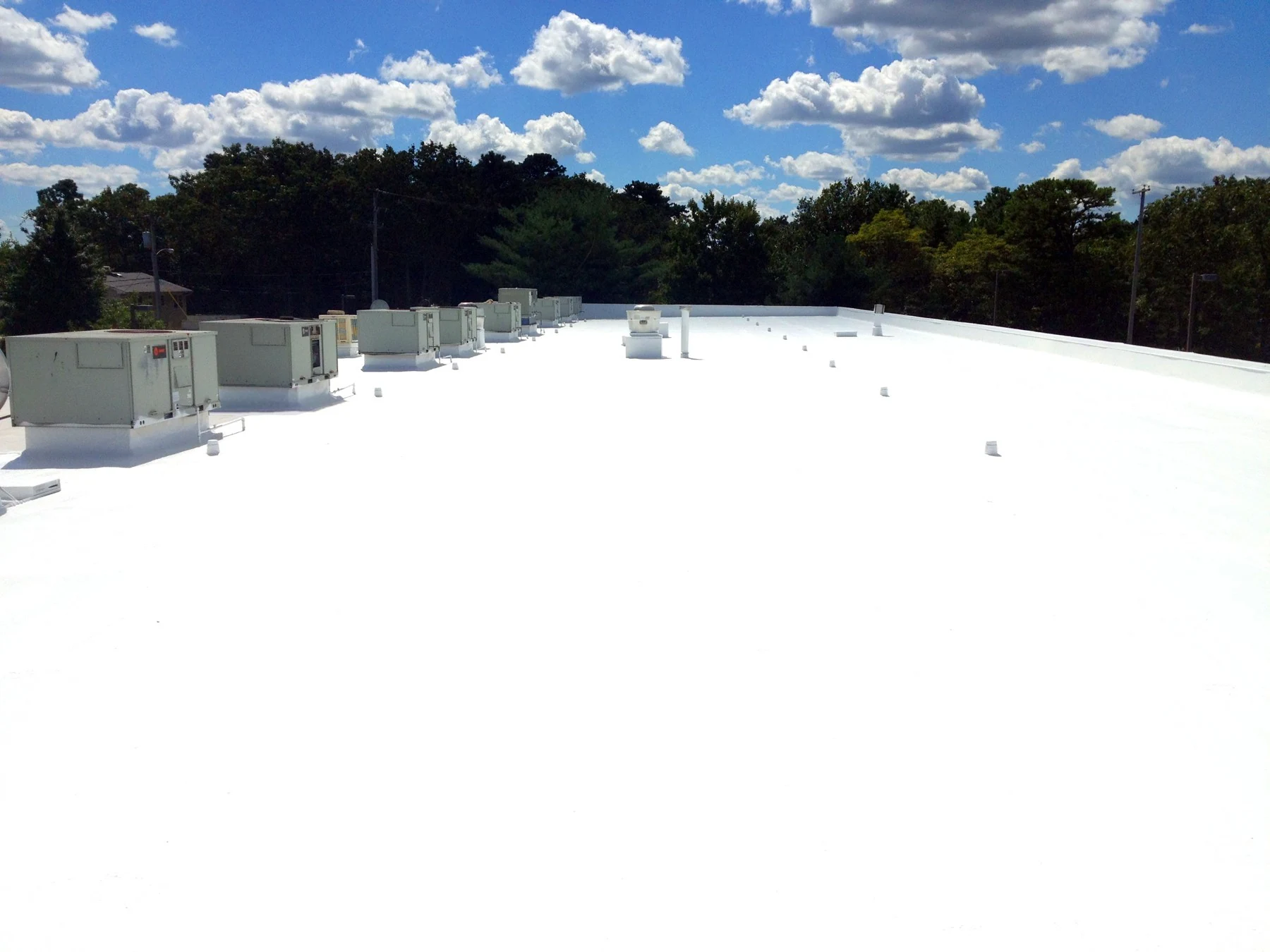
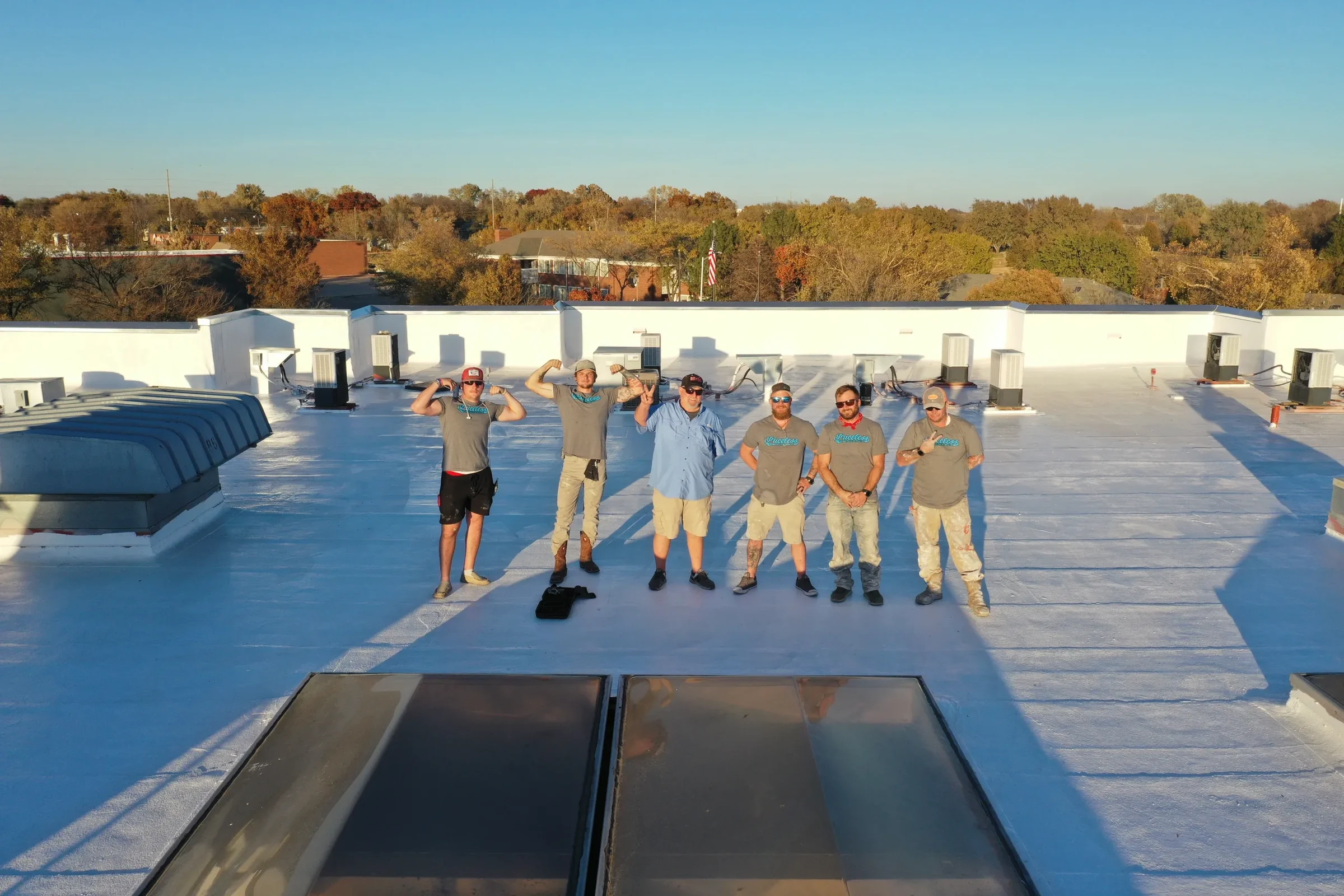
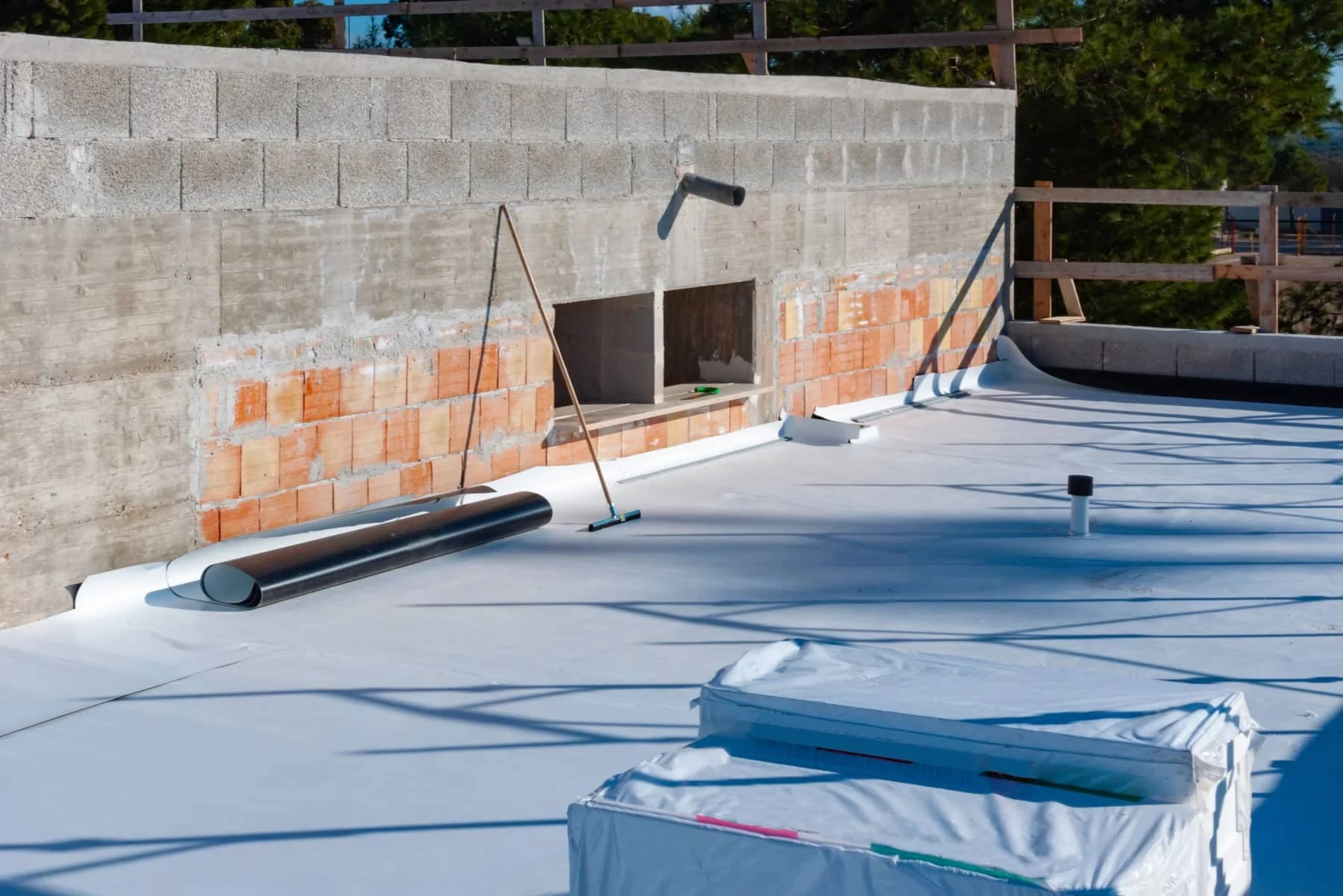
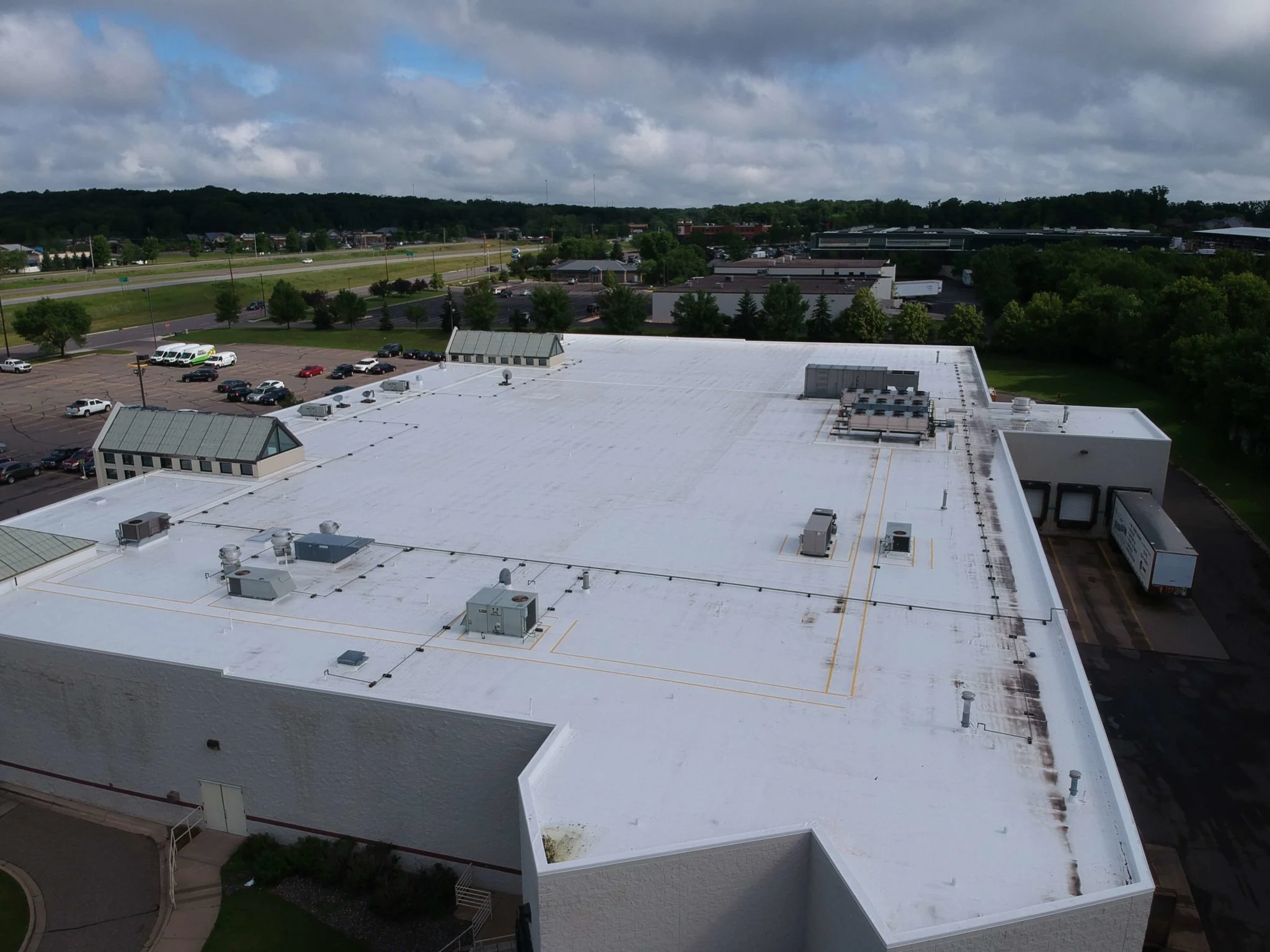
Modified Bitumen on Downtown Canton's Mixed-Use Roofs
Downtown Canton's arts district and the multi-tenant retail buildings around it have a lot of low-slope roof built up over storefronts, offices, and apartments stacked on the same structure. Modified bitumen has been a workhorse system on buildings like that for decades, and we still install and repair it where it makes sense.
Where Mod-Bit Still Makes Sense
Modified bitumen gives you a heavy, multi-ply membrane that stands up well to foot traffic, which matters on downtown buildings where roof access for rooftop dining, mechanical servicing, or shared HVAC equipment is more frequent than on a typical warehouse. The redundancy of a multi-ply system also means a localized failure doesn't necessarily mean water is inside the building yet, unlike a single-ply membrane with one layer between weather and your tenants.
We see it most on older downtown Canton buildings with mixed retail, office, and residential tenants stacked together, and on multi-tenant retail structures where a landlord wants a system with a long track record rather than something newer they haven't seen perform over decades.
Torch-Applied Versus Cold-Applied Installation
Torch-down modified bitumen is still common, but it comes with fire risk during installation that matters a lot on an occupied downtown building with tenants below and neighboring structures close by. We use cold-applied or self-adhered modified bitumen systems on occupied multi-tenant buildings whenever the project allows for it, specifically to avoid open flame work near tenant space.
Where torch application is the right call, structurally isolated buildings or specific detail work, we follow fire-watch protocols and coordinate timing with building management so nobody's caught off guard by open flame work overhead.
Ice and Water Buildup on Older Flat Roofs
A lot of downtown Canton's mod-bit roofs sit on older structures where drainage was designed decades ago and hasn't always kept pace with roof modifications since. Freeze-thaw cycling through a Stark County winter finds every low spot on a roof like that, and ice buildup at drains and parapets is a recurring issue we see on these buildings every year.
- Multi-ply cold-applied and self-adhered modified bitumen systems
- Torch-down application with fire-watch protocol on isolated structures
- Base sheet, interply, and cap sheet layering matched to building use
- Granulated cap sheet for UV protection on exposed roof sections
- Drainage correction and tapered insulation on older, flat downtown roofs
Coordinating With Ground-Floor Tenants and Upper-Floor Residents
Mixed-use downtown buildings mean we're coordinating with more than one type of occupant at once, a retail tenant that needs storefront access during business hours, an office tenant sensitive to noise during work calls, and sometimes residential tenants above who need advance notice before work starts near their units. We build a communication plan with the property manager before work begins so nobody downstairs or upstairs is surprised by a crew on the roof.
Scheduling around downtown foot traffic and street parking also factors in more here than on a suburban industrial site, and we plan material staging and dumpster placement accordingly. We'll also check with the city on any permit or lane closure requirements before scheduling a start date, so that isn't a delay you discover mid-project.
When Modified Bitumen Isn't the Right Call Anymore
Some downtown roofs have been recovered with mod-bit multiple times already, and at a certain point the structure is carrying more dead load than it should, or code won't allow another layer. We'll tell you when a building has reached that point and walk you through tear-off and replacement options instead of just adding one more layer because it's the cheaper short-term fix.
We've walked downtown buildings where a previous owner added layer after layer over the years without anyone checking the structural math, and that's not a position we want a current owner or property manager inheriting without knowing about it first.
Modified Bitumen Questions From Downtown Property Managers
Is torch-down installation actually safe on an occupied downtown building?
With proper fire-watch protocol and coordination, yes, but we generally prefer cold-applied or self-adhered systems on occupied multi-tenant buildings when the project allows it, simply to remove open flame from the equation entirely.
How many layers of modified bitumen can our building actually carry?
That depends on your structural load capacity and current code, which limits how many roof layers can be applied without tear-off. We'll check your building's history and structural capacity before recommending another recover.
What's causing ice to build up at the same spot on our roof every winter?
Almost always a low spot or undersized drain that was fine for the original roof design but hasn't kept up with modifications since. We can correct drainage with tapered insulation rather than just patching the same spot every spring.
Can you do the work without shutting down our ground-floor tenants?
In most cases yes. We sequence roof access and material staging around your tenants' operating hours and coordinate directly with them on timing for anything above their specific unit.
How do we know if we need a full tear-off versus another recover layer?
We check how many existing layers are already up there, insulation moisture content, and what your local code allows. If a recover would put you over the legal layer limit or trap wet insulation, we'll tell you tear-off is the only real option. If your building is subject to historic district guidelines, particularly around visible parapet and cornice detailing downtown, we coordinate that review with property management before finalizing scope too.