
Service Area
Assessment
Office
Buildings
Planning
Closeout
EPDM Reroofing for Canton's Older Manufacturing-Era Buildings
A large share of the low-slope roof around North Canton, Massillon, and the older sections of Stark County's manufacturing base is EPDM, some of it original to buildings that have been standing since the region's industrial peak. We service and replace those roofs with a straightforward read on what rubber membrane actually needs at this age.
Why So Much of Stark County's Roof Stock Is EPDM
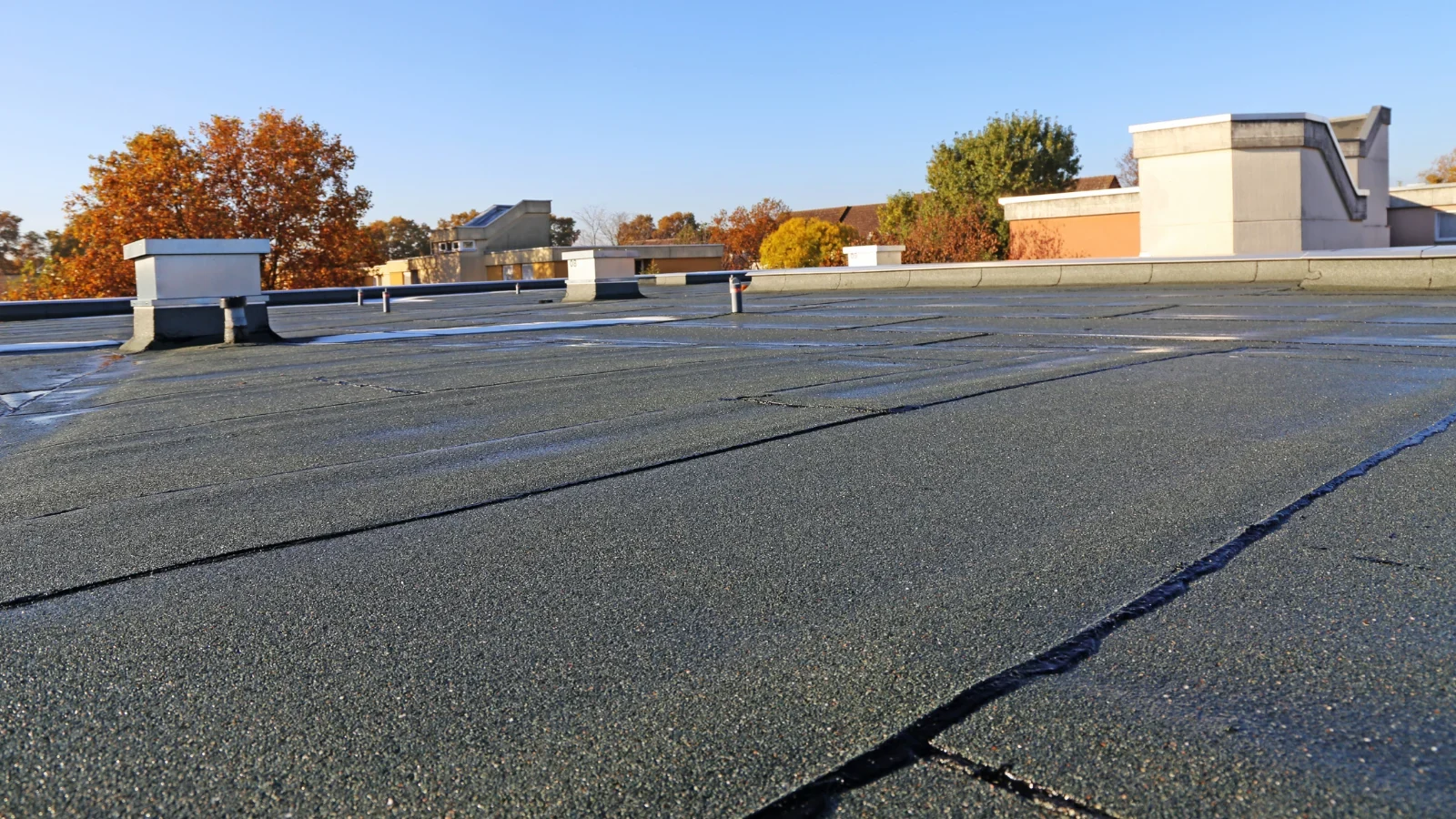
Black EPDM has been the economical choice for low-slope commercial roofs for decades, and a lot of the plants and warehouses from Stark County's Timken-era manufacturing boom went up with it. Around North Canton, where redevelopment of the old Hoover campus keeps turning up roofs that were serviceable but never modernized, EPDM shows up constantly as the incumbent system a new owner or tenant inherits.
The material itself is genuinely durable. Rubber membrane flexes with temperature swings better than some rigid systems, which matters through Stark County's freeze-thaw cycling, but seams and flashing are almost always where an aging EPDM roof actually fails, not the membrane field.
Ballasted, Mechanically Attached, or Fully Adhered
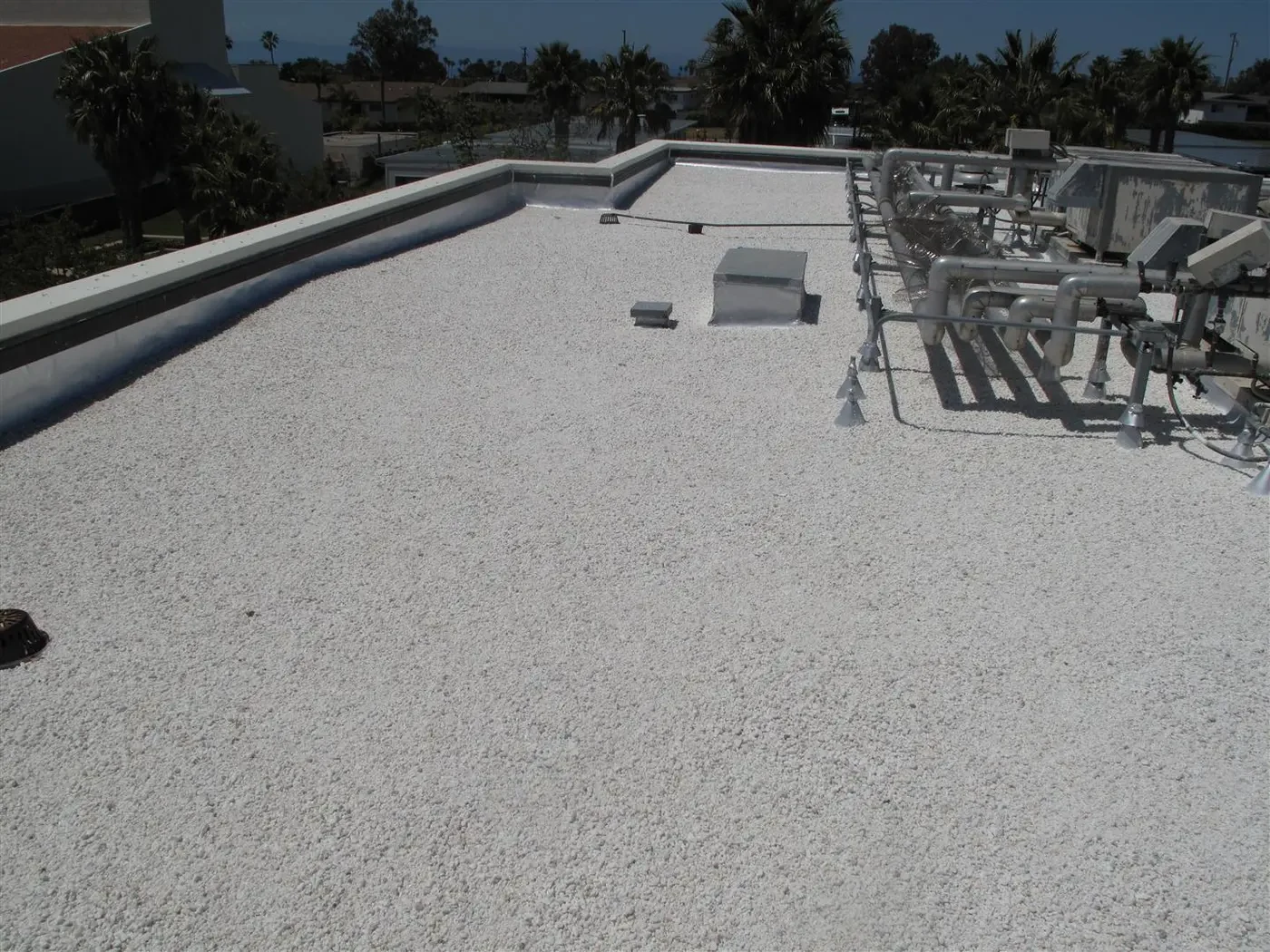
We evaluate the deck and building use before recommending an attachment method. Ballasted EPDM is cost-effective on structurally sound decks with enough load capacity for stone or paver ballast, but it's not the right call on every roof, especially older manufacturing buildings where we're not always confident in the original structural design margins.
Fully adhered systems give better wind uplift performance and are usually what we recommend on buildings with more complex rooflines or where ballast isn't practical. Mechanically attached falls in between and is common on retrofits where we're working around existing equipment and penetrations.
Seam Failure Is the Real Story on Old EPDM Roofs
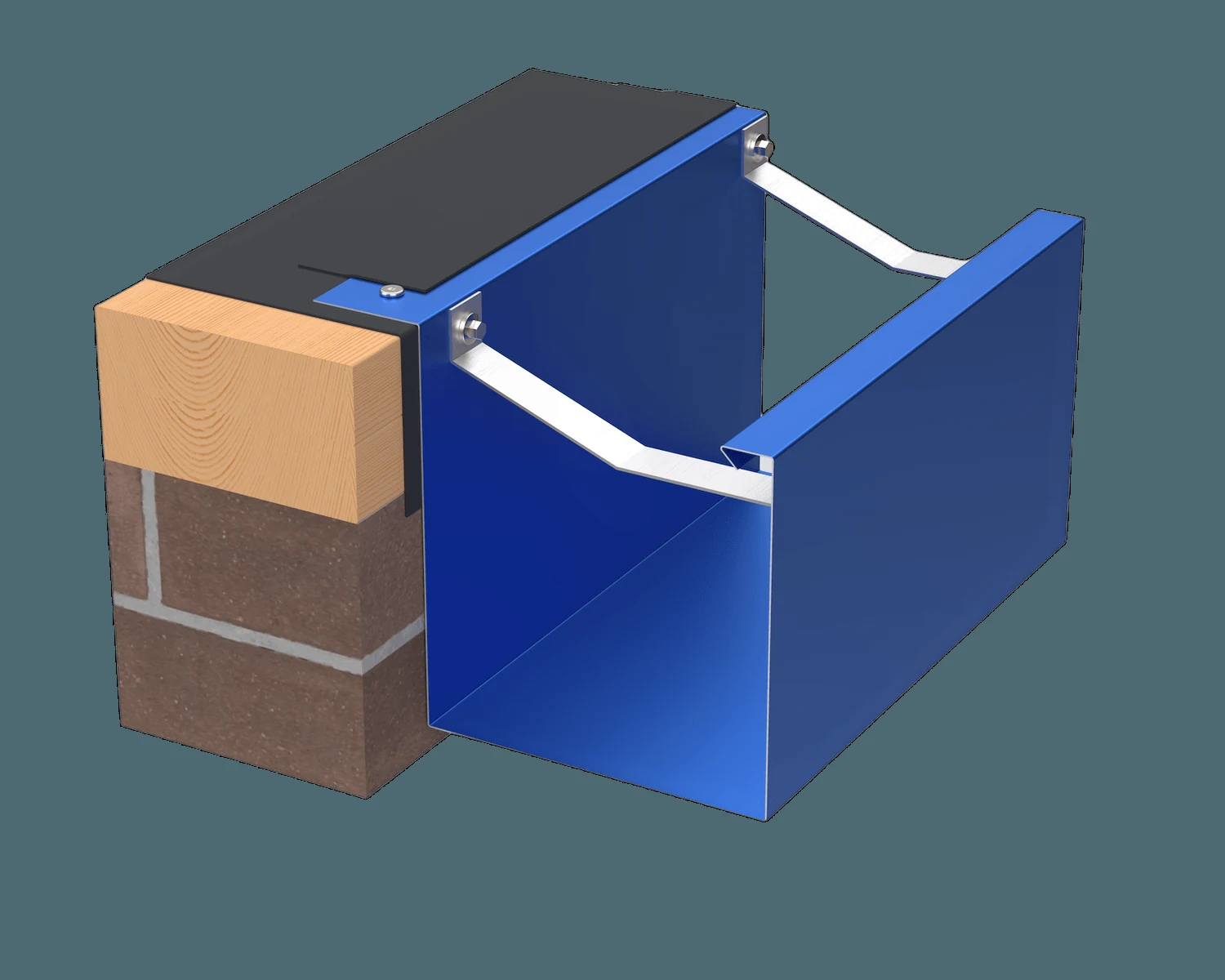
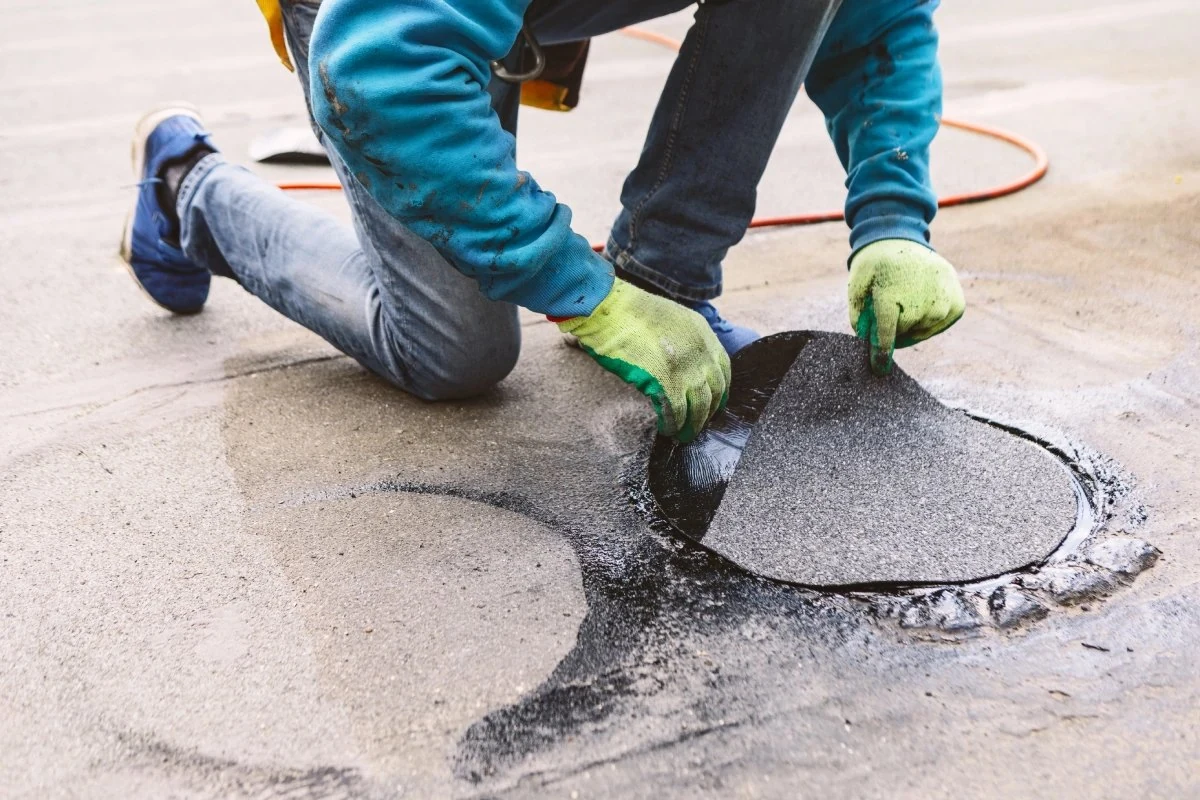
When we get called out to a leaking EPDM roof that's fifteen or twenty years old, the membrane field is usually still intact. It's the seam tape that's failed, or flashing at a parapet wall or curb that was never detailed correctly to begin with. Seam tape has a service life shorter than the membrane itself, and on older buildings it's frequently the original tape, well past when it should have been addressed.
That distinction matters for the quote you get back. A roof with sound membrane and failing seam tape gets a very different scope and price than one where the rubber field itself has degraded, and we walk you through which situation you're actually in before recommending anything.
- Seam and flashing inspection before recommending full replacement
- Seam tape and adhesive restoration on membranes with sound field condition
- Full tear-off and EPDM reroofing on buildings past economical repair
- Ballasted, mechanically attached, and fully adhered installation
- Pitch pan and penetration detailing brought up to current standard
What We Look For on a Manufacturing-Era Roof
Buildings from Stark County's industrial buildout often have roof structures that were modified more than once, additions tied into original construction with flashing details that don't quite match, drains relocated when interior layouts changed. We map that history during inspection because it tells us where problems are likely to be concentrated, beyond just wherever the current leak happens to be showing up inside.
We also check insulation condition on these older roofs specifically, since compressed or wet insulation under an otherwise sound membrane changes the whole calculation on whether recover or tear-off makes sense.
Coordinating Work Around Production and Tenants
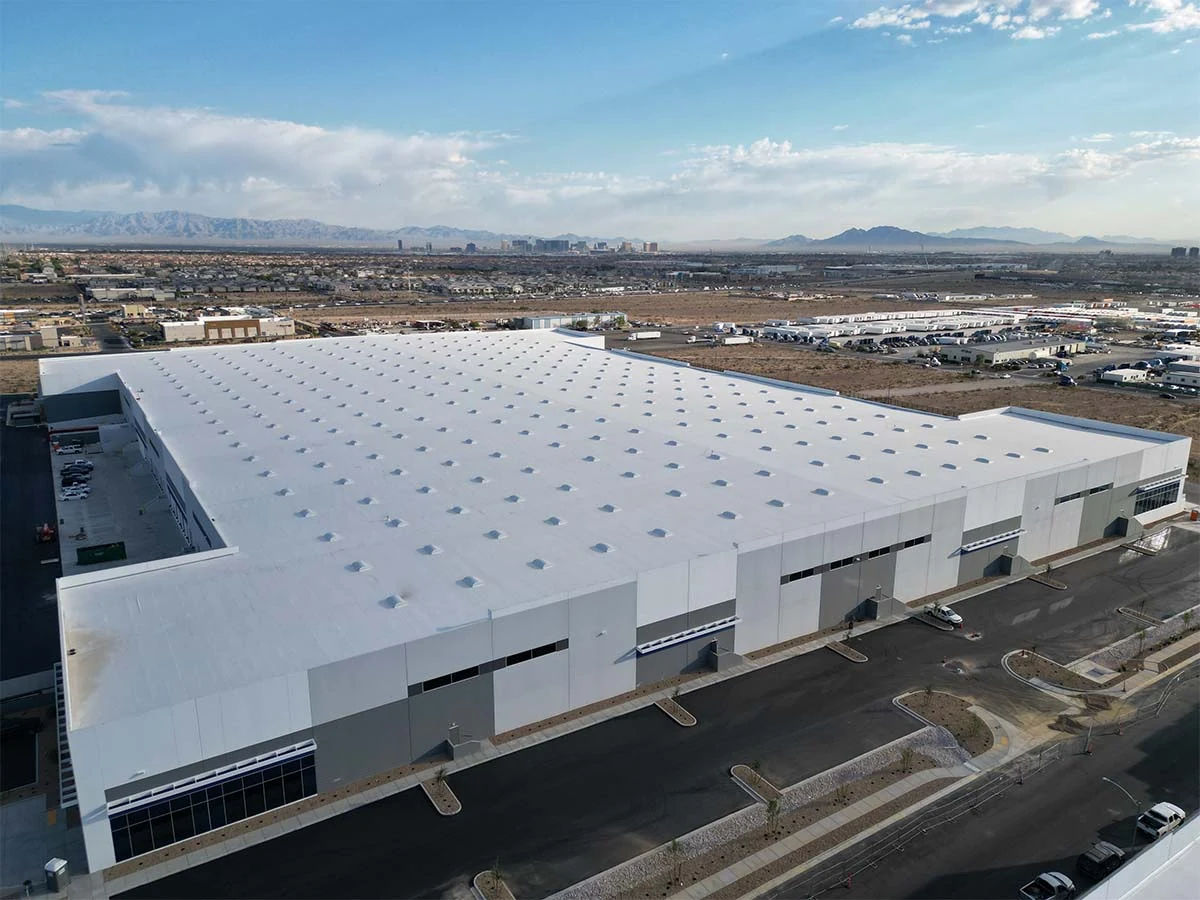
A lot of these older buildings are still active manufacturing space or have been subdivided into multi-tenant industrial use. Either way, we sequence EPDM work to keep the building operating. For a plant, that might mean working over sections not directly above active production lines first. For a subdivided industrial building, it means coordinating access and noise timing with whichever tenants are running shifts underneath us.
We'll also flag anything we find that affects your insurance or your lease obligations to tenants, in writing, so it's not a surprise conversation after the work is done.
EPDM Questions From Property and Facilities Managers
Is it worth repairing seams on an old EPDM roof or should we just replace it?
Depends on the field membrane condition. If the rubber itself is still flexible and free of cracking or shrinkage, seam and flashing repair can add meaningful years for a fraction of replacement cost. We'll tell you straight if the membrane's too far gone for that to make sense.
How do you tell if the insulation under our EPDM roof is wet?
Moisture scanning during inspection, sometimes core cuts in a few spots to confirm what the scan shows. Wet insulation under sound membrane is common on older buildings and it changes whether recover is even an option.
Can you match the ballast or gravel if we only need a partial repair?
Yes, we can source matching ballast for spot repairs so you're not left with a patchwork look, though the priority is always making sure the repair itself performs correctly underneath it.
Does EPDM handle Ohio snow load as well as newer membranes?
The membrane itself performs fine under snow load; the real question is the roof structure and drainage underneath it, which we evaluate separately, especially on older buildings that may have been modified since original construction.
How long will seam tape repairs actually hold before we're back to square one?
Done correctly on sound membrane, several years is realistic, but it's not permanent. We'll give you a maintenance schedule so it's a planned expense on your calendar, not a surprise call. If your building changed hands recently and nobody has roof records, we start fresh with a full inspection and give you a written baseline report to keep on hand for next time.