
Service Area
Assessment
Office
Buildings
Planning
Closeout
Built-Up Roofing on Stark County's Legacy Industrial Stock
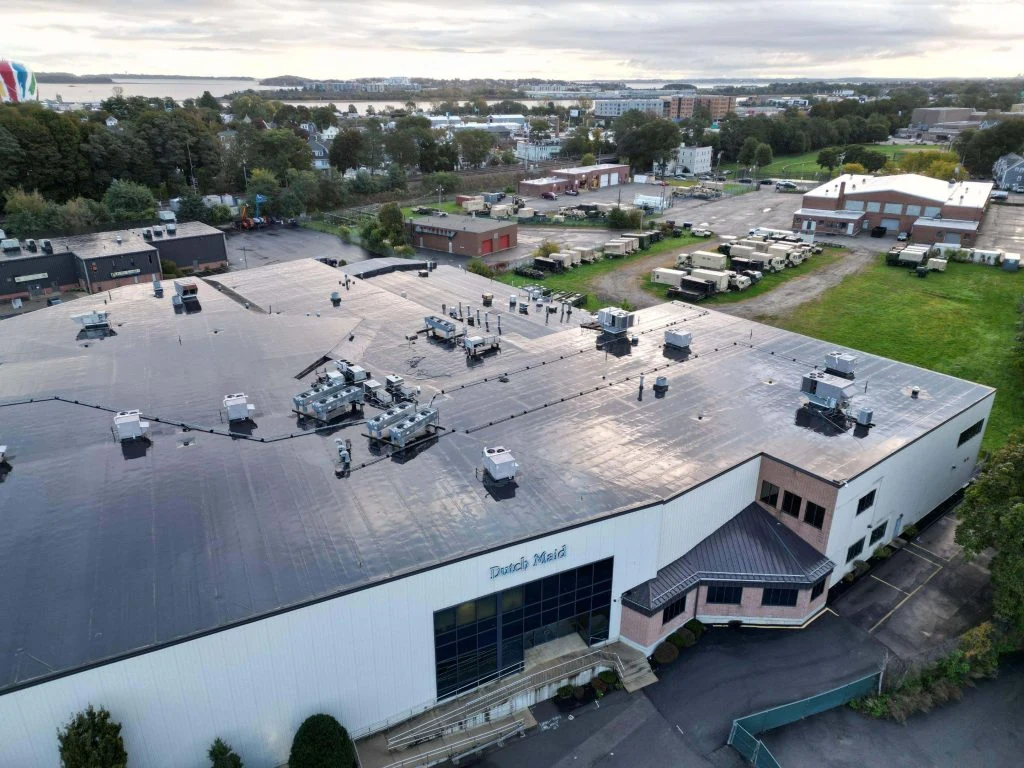
Some of the oldest plant roofs around Canton and Massillon are still running on built-up roofing, gravel-surfaced systems installed back when that was simply how a manufacturing building's roof got done. We still service and, where it's warranted, replace BUR on the older end of Stark County's industrial inventory.
Why BUR Is Still on So Many Older Roofs
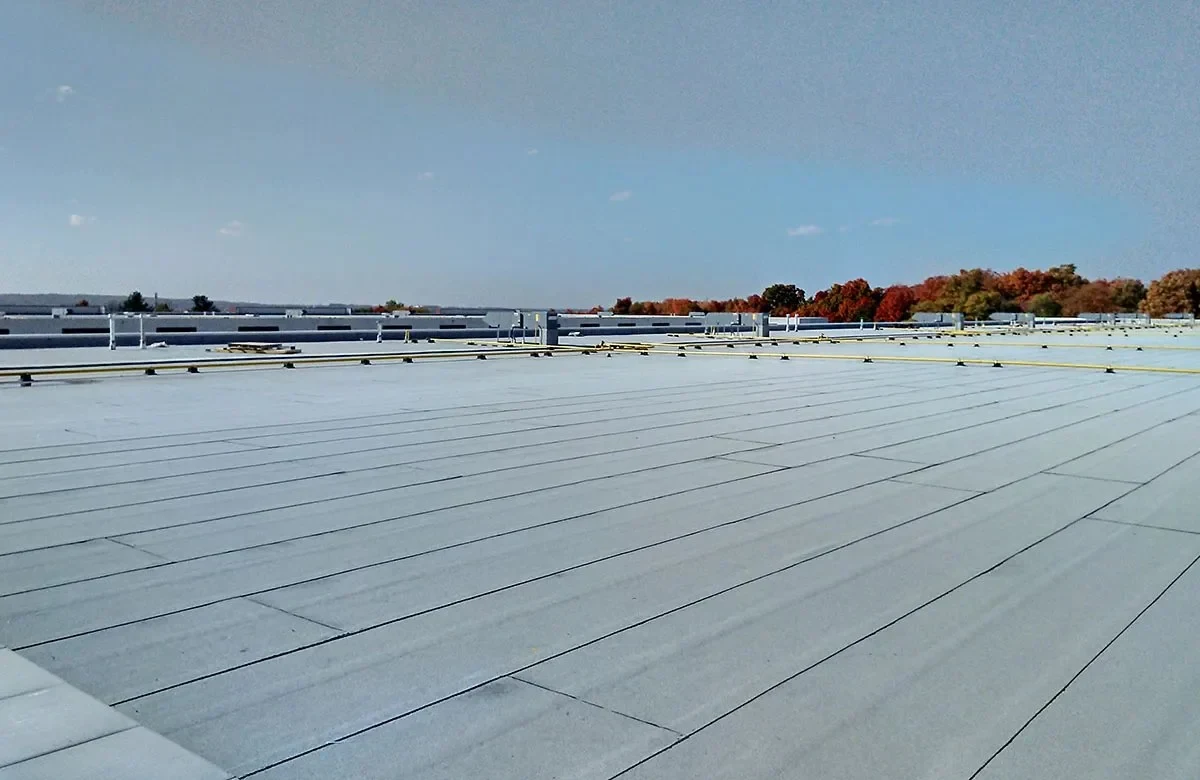
Built-up roofing was the standard for decades on plants and warehouses across Stark County's manufacturing corridor, and a lot of that original roof structure is still in service, sometimes recovered once along the way, sometimes not touched significantly since installation. The multi-ply asphalt and felt system, ballasted with gravel, has a genuinely long service life when it's maintained, which is part of why so much of it is still up there.
The gravel surfacing also gives real UV protection to the plies underneath, which matters on a roof that's been in service for decades and has already outlasted a couple ownership changes.
What Actually Fails on an Old BUR Roof
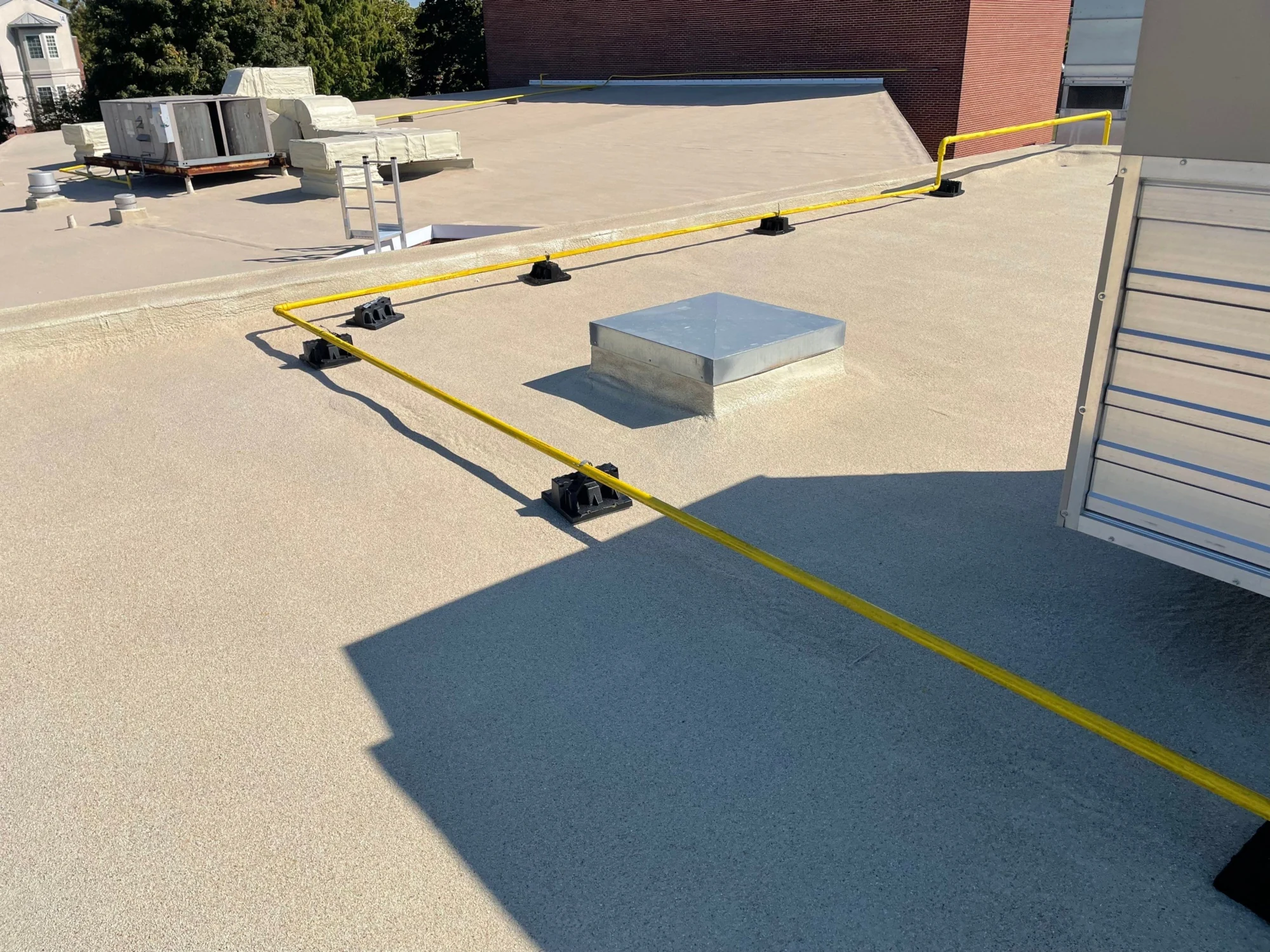
The plies themselves, when properly installed, tend to hold up. What we find failing on older BUR roofs is almost always at the edges, flashing that's alligatored and cracked from decades of UV and thermal cycling, or blistering where moisture got trapped between plies during a past repair. Gravel migration exposing bare membrane in high-traffic or high-wind areas is another common issue, especially near rooftop equipment where maintenance crews walk regularly.
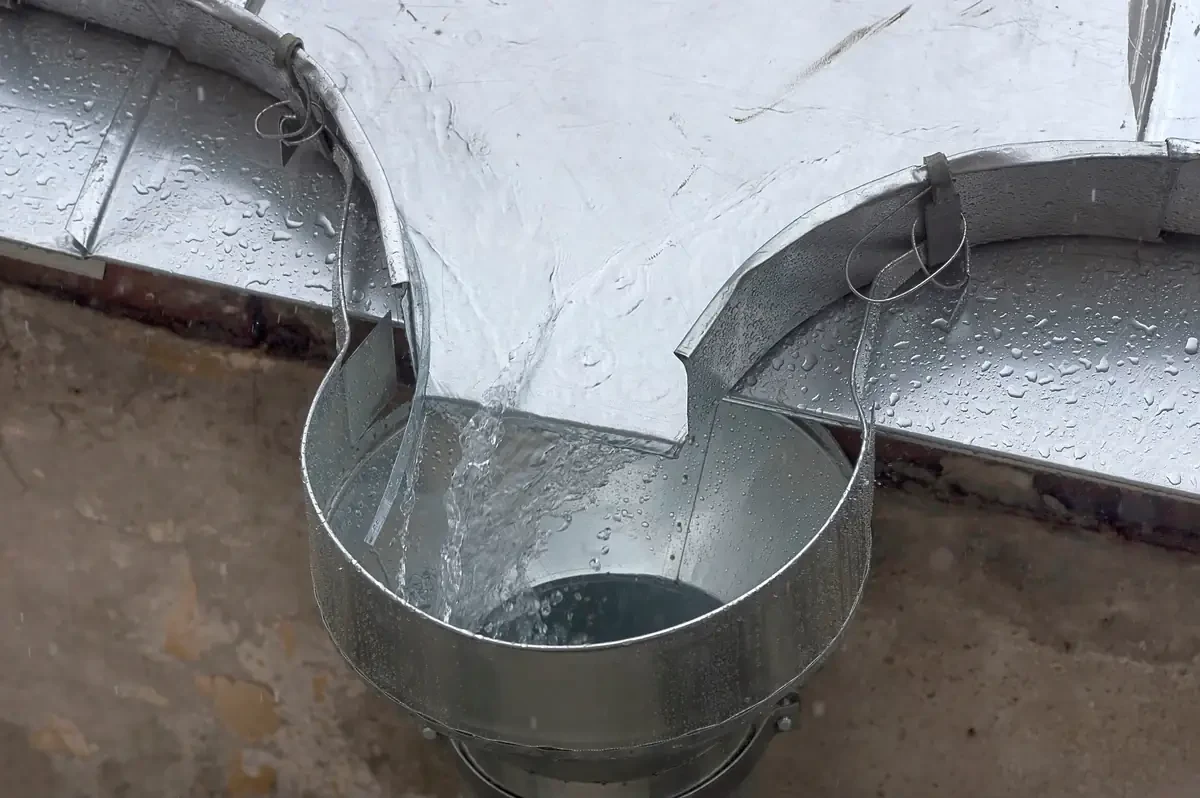
Ponding water is a bigger risk on BUR than on newer systems, since a lot of these older decks have settled over the years and drainage that worked fine on day one doesn't always work fine forty years later. That settling is rarely uniform across a large plant roof, which is why we map ponding patterns across the full field rather than checking only the areas already flagged as problem spots.
Repair, Recover, or Replace
A BUR roof with sound plies and isolated flashing or blister issues is often a good repair candidate, and repair is what we recommend when it's genuinely the right call, rather than simply the easier sale. Once ply deterioration is widespread or insulation underneath has taken on water, recover or full tear-off becomes the more honest recommendation, even though it's the bigger project.
- Ply and seam inspection with attention to edge and flashing detail
- Blister and alligatoring repair on roofs with sound underlying structure
- Gravel surfacing restoration where UV exposure has stripped ballast
- Recover with new membrane over sound, dry existing BUR
- Full tear-off and replacement on roofs past economical repair
Structural Considerations on Older Manufacturing Decks
Gravel-ballasted BUR carries real dead load, and on an older plant roof that's already been recovered once, we check what the deck was actually engineered to hold before recommending another gravel-surfaced layer. Sometimes the right move is a lighter recover system on top of the existing BUR rather than adding more ballast weight to a structure we're not fully confident in.
We coordinate with structural engineers on buildings where that load question isn't clear from existing records, particularly on older Stark County plants that have had additions or modifications made without complete documentation surviving.
This comes up more often than facility teams expect on buildings that have changed ownership a few times, where each new owner inherited the roof but not necessarily a full structural file. We'd rather raise that question during planning than have it surface mid-project.
Working Around Active Production
BUR repair and recover work on an active manufacturing floor gets sequenced the same way we handle any occupied plant roof, in sections, coordinated with your operations schedule, with material staging planned to stay clear of shipping and receiving access. Hot asphalt work does require more coordination around ventilation intakes than a cold-applied system would, and we flag that during planning so it's not a surprise on install day.
Built-Up Roofing Questions From Plant Facilities Teams
Is our old BUR roof actually beyond repair, or can it be patched again?
Depends entirely on ply and insulation condition. We've kept plenty of older BUR roofs running years longer with targeted flashing and blister repair. We'll give you a straight answer after inspection, not a default push toward replacement.
Why does our roof keep holding water in the same spots after every rain?
Usually deck settling or drains that were undersized or relocated over the building's history. We can address it with tapered insulation during a recover rather than just patching the symptom.
Can you match the existing gravel ballast if we only need a section repaired?
Yes, we source matching aggregate for spot repairs so the roof doesn't end up a visible patchwork, though performance of the repair itself always comes first.
How much weight is our roof structure actually carrying with all this gravel?
We can help coordinate a structural review if that's not clearly documented for your building, which is common on older Stark County plants with a long history of modifications.
Does hot asphalt work create a fire or fume issue for our production floor below?
We coordinate around your ventilation intakes and production schedule specifically because of that, and where the situation calls for it, we'll recommend a cold-applied recover system instead to avoid the issue entirely. If nobody on your team has records on when the roof was last touched, we look at ply construction, flashing style, and material condition to estimate installation era and build our recommendation off what we actually find, not off missing paperwork.