
Service Area
Assessment
Office
Buildings
Planning
Closeout
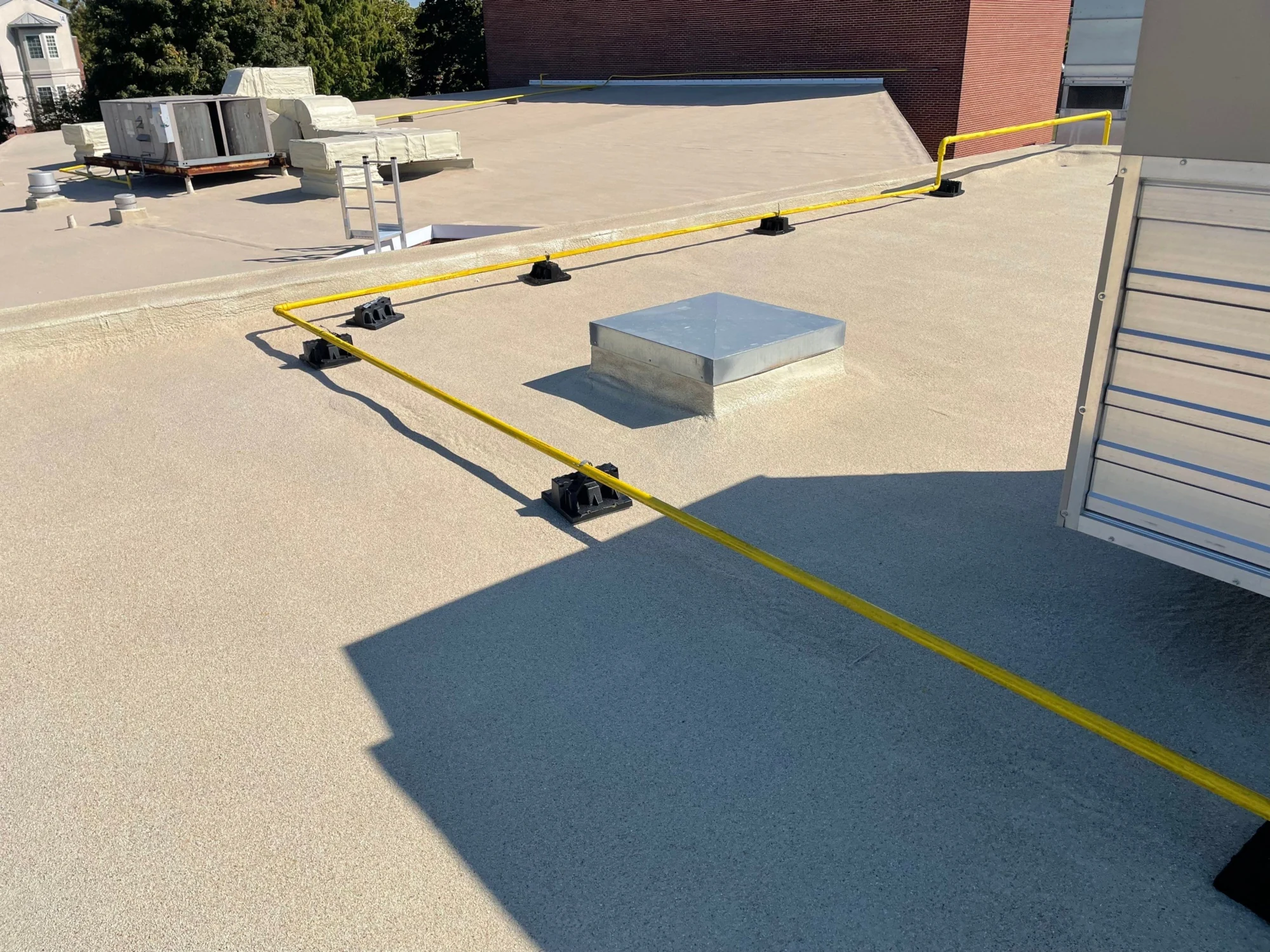
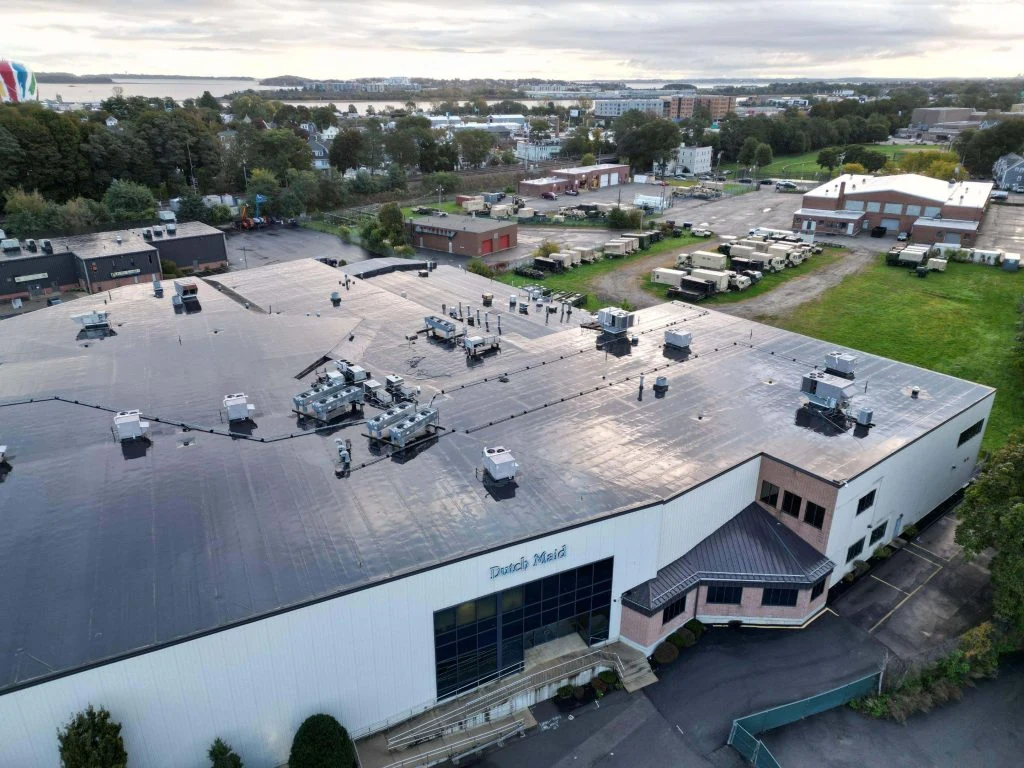
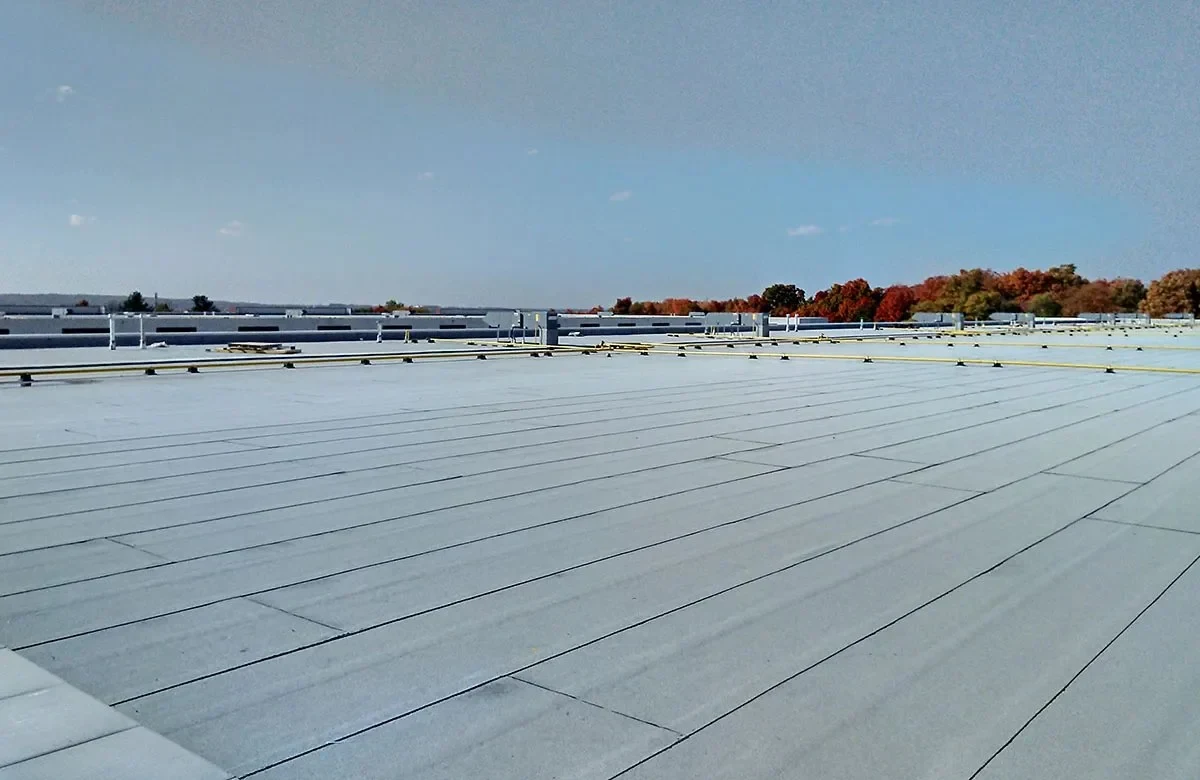
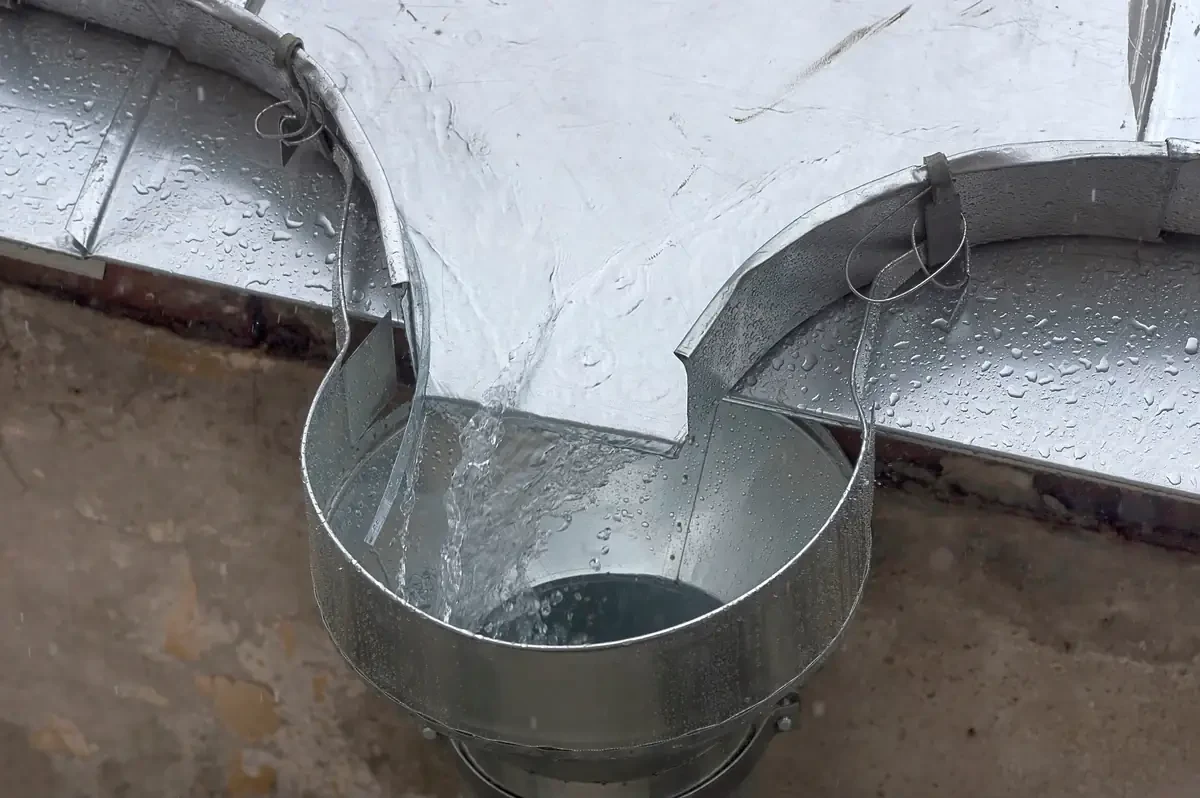

Acrylic Coating for Retail and Distribution Metal Roofs
A coating recommendation starts with adhesion, moisture, drainage, membrane condition, detail preparation, and warranty eligibility—not every existing roof is a restoration candidate. Not every roof on our list needs silicone's ponding resistance. A well-draining metal roof on a retail strip near Belden Village or a distribution building along I-77 is often a better fit for acrylic coating, a lower-cost restoration option that does the job when standing water isn't part of the equation.
Where Acrylic Is the Right Call
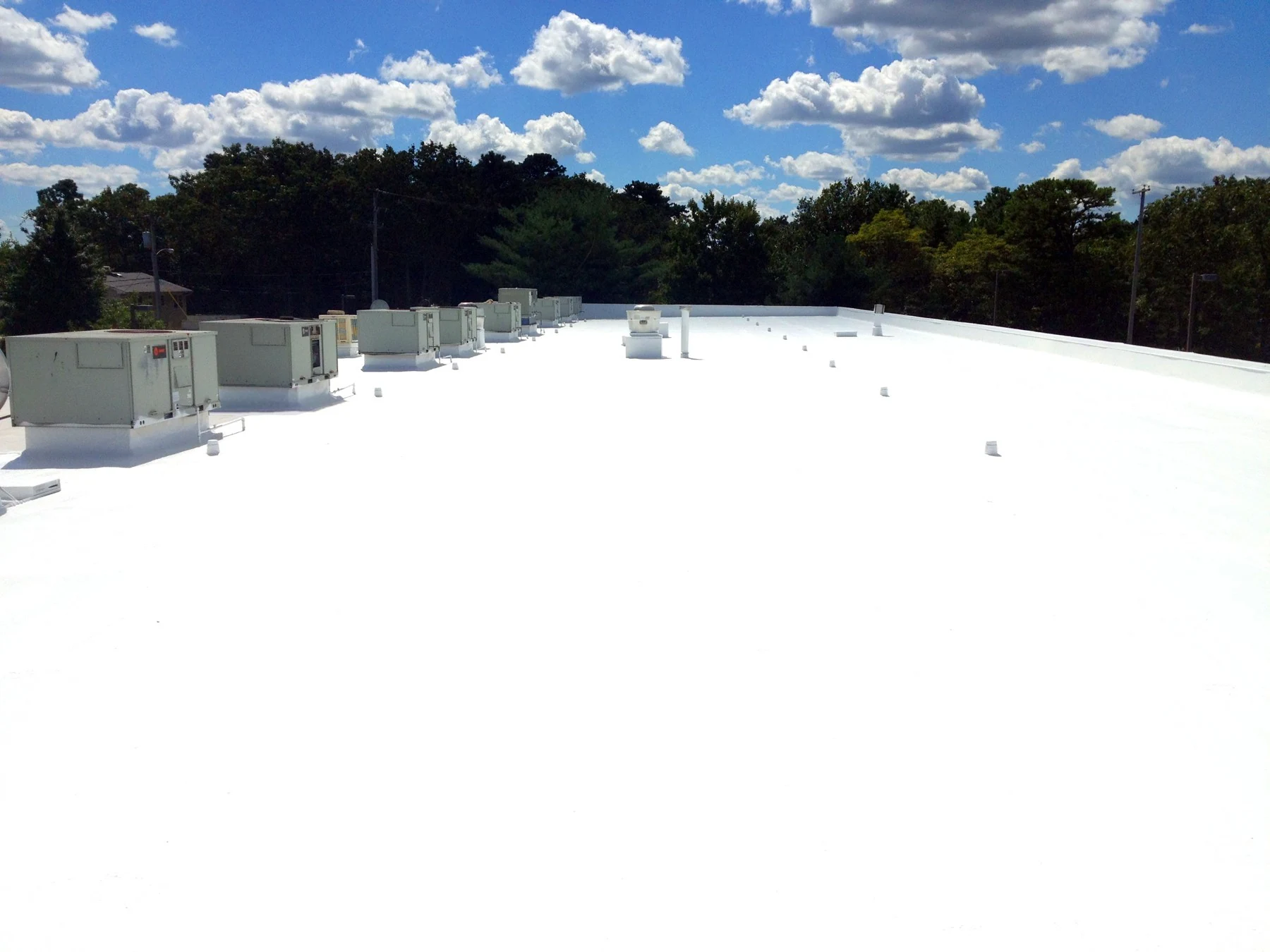
Acrylic coating works best on roofs with good positive drainage and no sustained ponding, which describes a lot of steep-slope and well-drained low-slope metal roofs around Canton's retail corridors. On an R-panel or standing seam roof that's aging but structurally sound, acrylic recoating can restore reflectivity and add a protective layer at meaningfully less cost than silicone, which matters when the budget request has to compete against other capital priorities.
For a retail chain operator managing several store locations on a maintenance budget, that cost difference matters across a portfolio. We're straightforward about recommending acrylic where the roof condition supports it, rather than defaulting to the pricier silicone system on every job.
We check every roof for low spots before recommending acrylic, across the whole field and not only at the drains, because a roof that looks well-drained on a dry day can still hold water in spots after a heavy Stark County thunderstorm. That's the detail that separates a coating job that lasts from one that fails within a couple seasons.
Reflectivity and Cooling Loads on Big-Box Retail
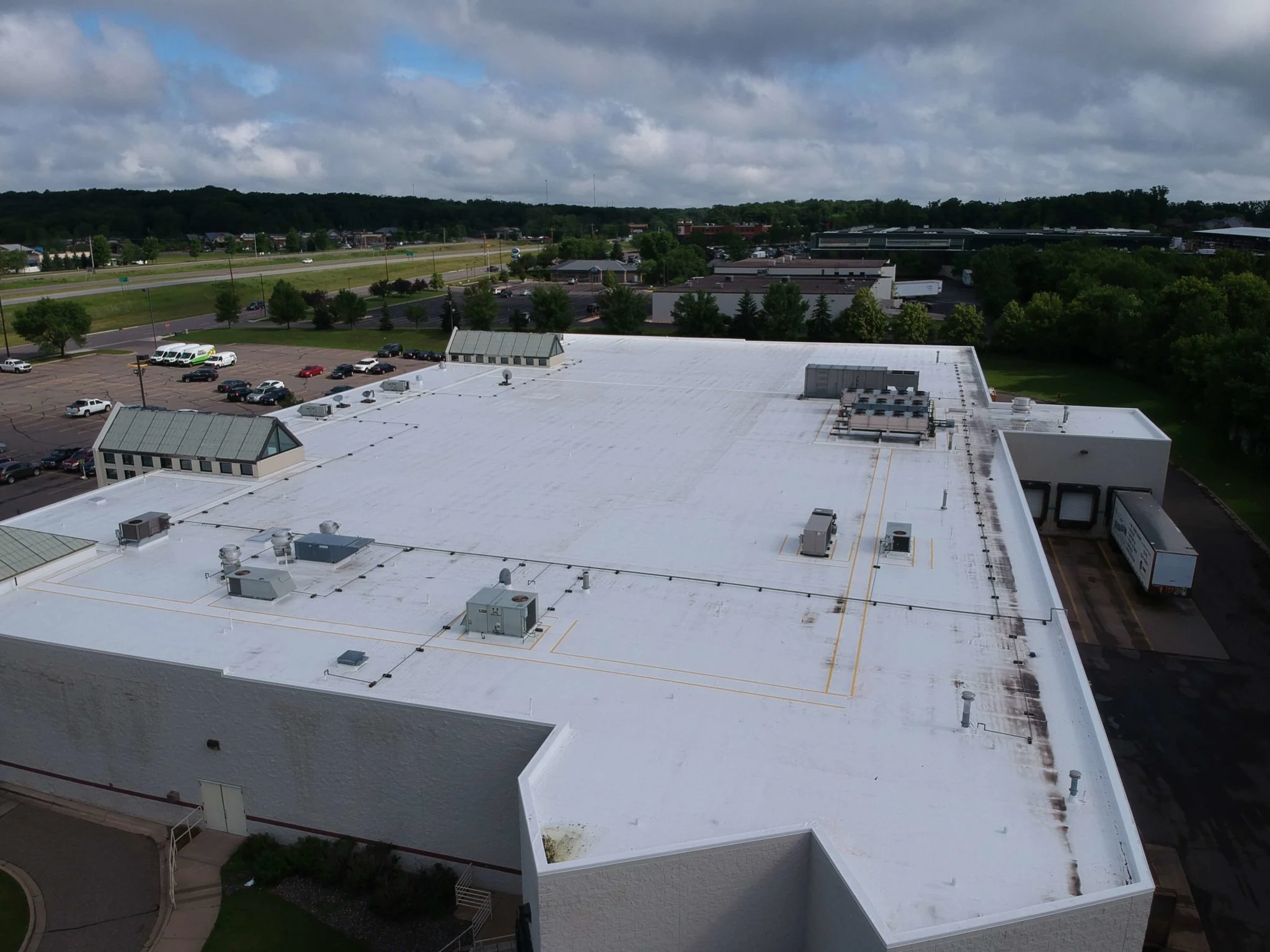
Retail buildings with large open floor plans and significant rooftop HVAC load benefit from a bright, reflective coated surface the same way a distribution warehouse does. Acrylic coatings offer strong reflectivity when properly applied and maintained, which helps ease cooling demand on a store roof baking under summer sun.
The tradeoff is UV and weathering resistance over time compared to silicone, acrylic coatings typically need more frequent recoating cycles, which is a maintenance planning detail we walk through with property managers upfront so it's budgeted, not a surprise. We put that recoat interval in writing at the time of installation so it's on your calendar, not something you find out about when the coating's already chalking.
Application Requirements That Actually Matter
- Surface cleaning and rust treatment before coating on metal panel roofs
- Seam and fastener repair completed ahead of coating application
- Primer where bare or previously coated metal requires it
- Multi-coat application at manufacturer-specified thickness
- Recoat scheduling built into an ongoing maintenance program
Why We Don't Recommend Acrylic on Every Roof
Acrylic coating over a roof with any sustained ponding will fail faster than the manufacturer's stated service life, and we've seen that happen on roofs where a cheaper coating got chosen without checking drainage first. We check for ponding during the pre-coating inspection specifically to steer roofs that need silicone away from an acrylic recommendation, even though acrylic costs less upfront and would be the easier sale.
For metal R-panel and standing seam roofs specifically, though, where drainage is usually good by design, acrylic is often the more sensible choice, and we'll say so plainly during the estimate.
We also check rust and corrosion condition closely on older metal panels before recommending acrylic, since coating over active rust without proper surface treatment first just seals moisture against the metal and accelerates the corrosion it was supposed to help prevent.
Fitting Acrylic Recoating Into a Multi-Location Maintenance Budget
For property management firms and retail operators running several locations around Stark County, we can build a recoating schedule across a portfolio so it's a planned line item rather than reactive spending triggered by the worst-performing roof each year. That kind of scheduled approach tends to cost less over time than letting each roof run to failure before addressing it, and it makes budget requests easier to justify since you're forecasting instead of reacting.
Acrylic Coating Questions From Retail and Property Managers
How is acrylic different from silicone, in plain terms?
Acrylic costs less and works well on roofs with good drainage, but it doesn't tolerate standing water the way silicone does and typically needs recoating on a shorter cycle. Silicone costs more but handles ponding and lasts longer between recoats.
Can we use acrylic on our metal R-panel roof even though it's had leaks?
Depends on the cause of the leaks. If it's fastener backout or sealant failure, we'd address that first, then acrylic coating can restore protection and reflectivity on the sound panel underneath.
How often will we need to recoat with acrylic versus a one-time silicone job?
Acrylic generally needs recoating more frequently than silicone, though the exact interval depends on exposure and application thickness. We'll give you a realistic recoat schedule specific to your roof, not a generic manufacturer number.
Does acrylic coating actually reduce our store's cooling costs?
It reduces roof surface temperature and heat gain, which can ease cooling load, though how much shows up on your utility bill depends on your building's insulation and HVAC system.
Can you coordinate coating across all our store locations in Stark County at once?
Yes, we can sequence a multi-location project and build a recoating schedule across your portfolio so it's planned maintenance rather than a reactive call at each store separately. If your roof already has an acrylic coating on it from years ago, we can usually recoat over the existing layer once we test adhesion in a few spots and confirm it isn't chalking or delaminating.