
Service Area
Assessment
Office
Buildings
Planning
Closeout

Spray Foam for Roofs That Don't Fit a Standard Membrane Layout
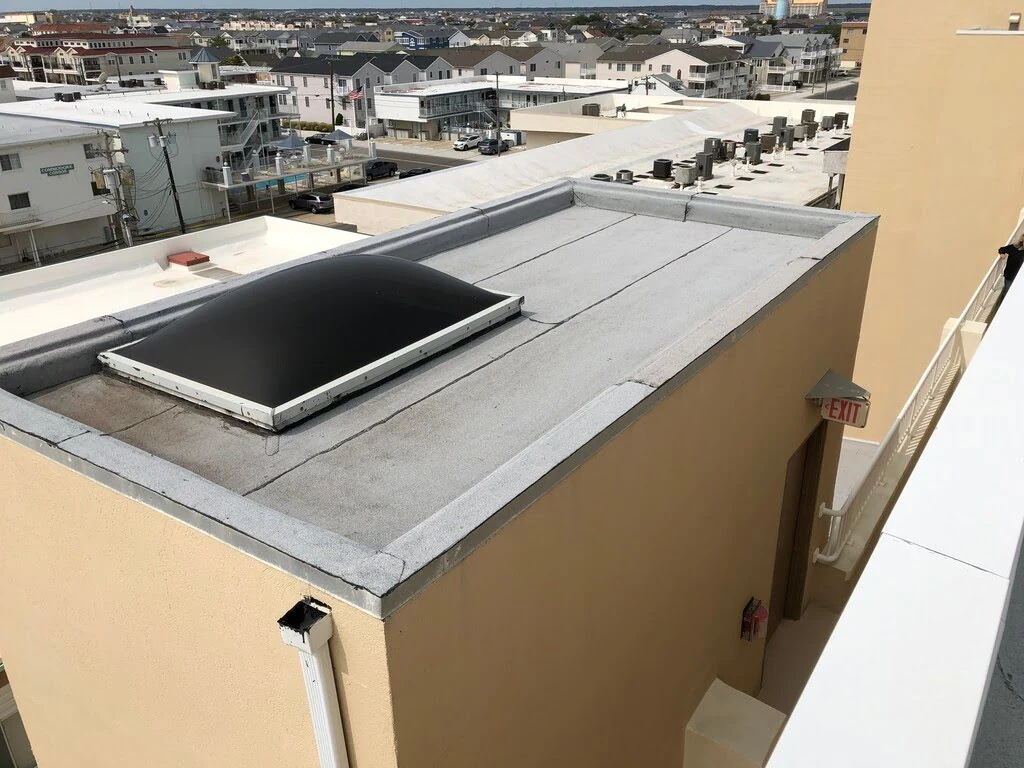
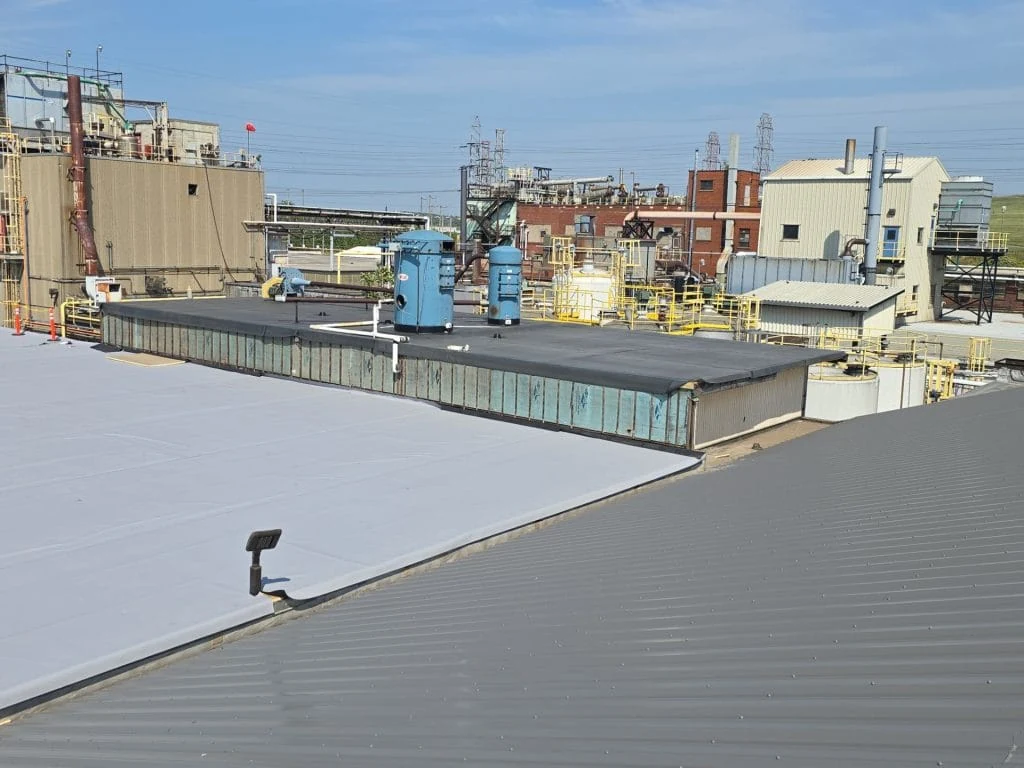
Some of the manufacturing buildings we work on around Canton have been added onto so many times over the decades that the roofline looks more like a puzzle than a rectangle — mismatched heights, clusters of old and new penetrations, curbs from equipment that isn't even there anymore. Spray polyurethane foam is the system built for exactly that kind of roof.
Why Foam Handles Complex Rooflines Differently
SPF is applied as a liquid that expands and cures in place, forming a continuous, monolithic layer directly over the existing roof surface, whatever shape it happens to be. There are no sheets to cut and fit around odd geometry, no seams to weld at every transition. On a roof with a dozen penetrations, mismatched deck heights, and equipment curbs from three different eras of building additions, that self-flashing quality saves a lot of the detail work that eats time and money on a membrane installation.
Foam also adds real insulation value directly at the roof plane, which matters on older buildings where the original deck was never insulated to anything close to a current standard. For a manufacturing floor that's been paying to heat and cool through an under-insulated roof for decades, that's a side benefit that shows up on the utility bill as much as the roof budget.
The Protective Coating Isn't Optional
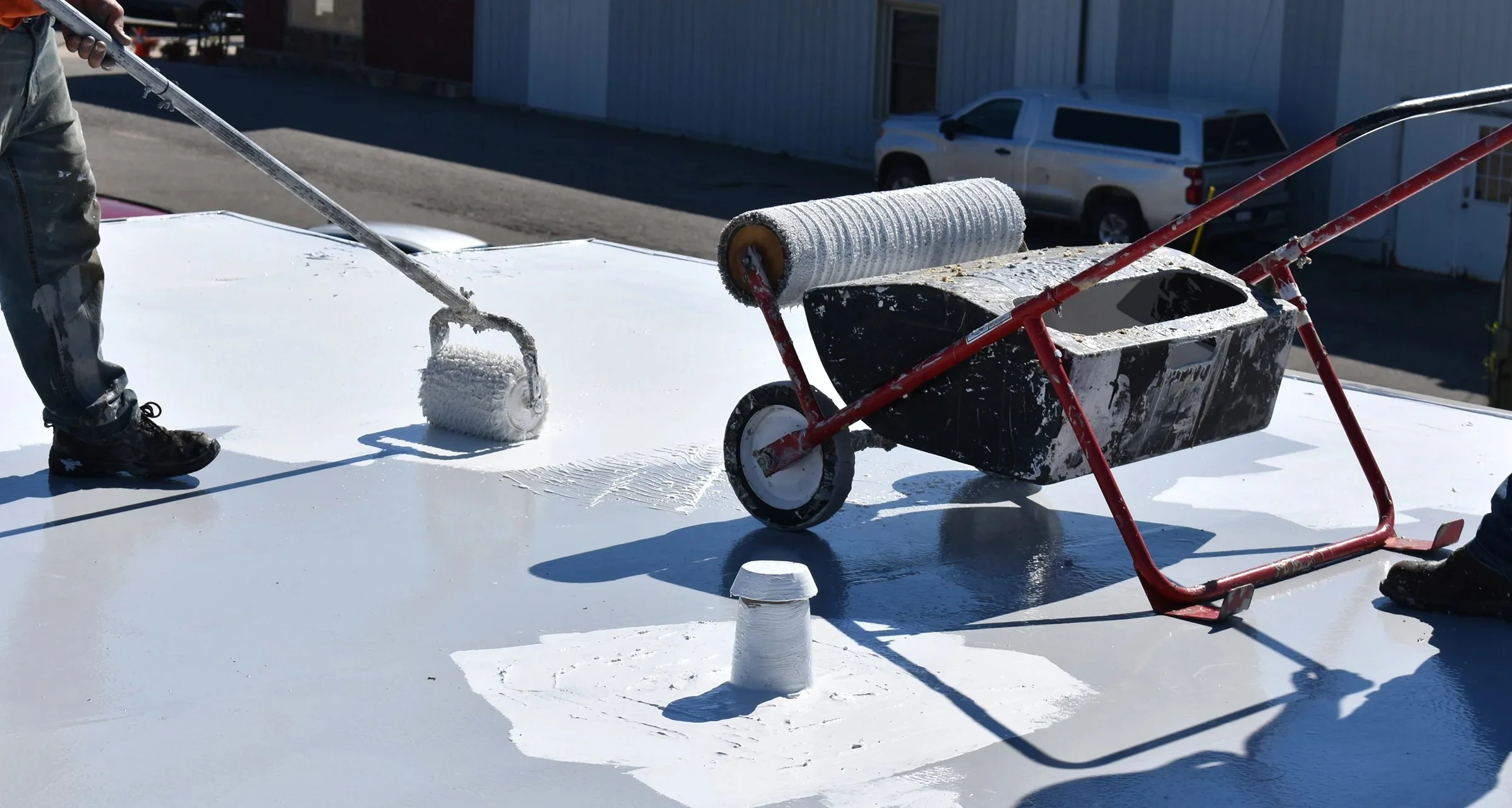
Foam itself isn't a finished roof surface — it needs a protective coating over it, typically acrylic or silicone, to guard against UV degradation and foot traffic damage. That coating is part of the system, not an add-on, and it's also the part that needs periodic maintenance. Foam left uncoated or with a coating that's worn thin will start to degrade under UV exposure and take damage from hail or foot traffic more easily than a coated system.
We build the coating maintenance schedule into every foam roof proposal, because a foam roof's long-term performance depends on that recoat cycle being followed, well after the initial application is done.
Where We See This Pay Off in Stark County
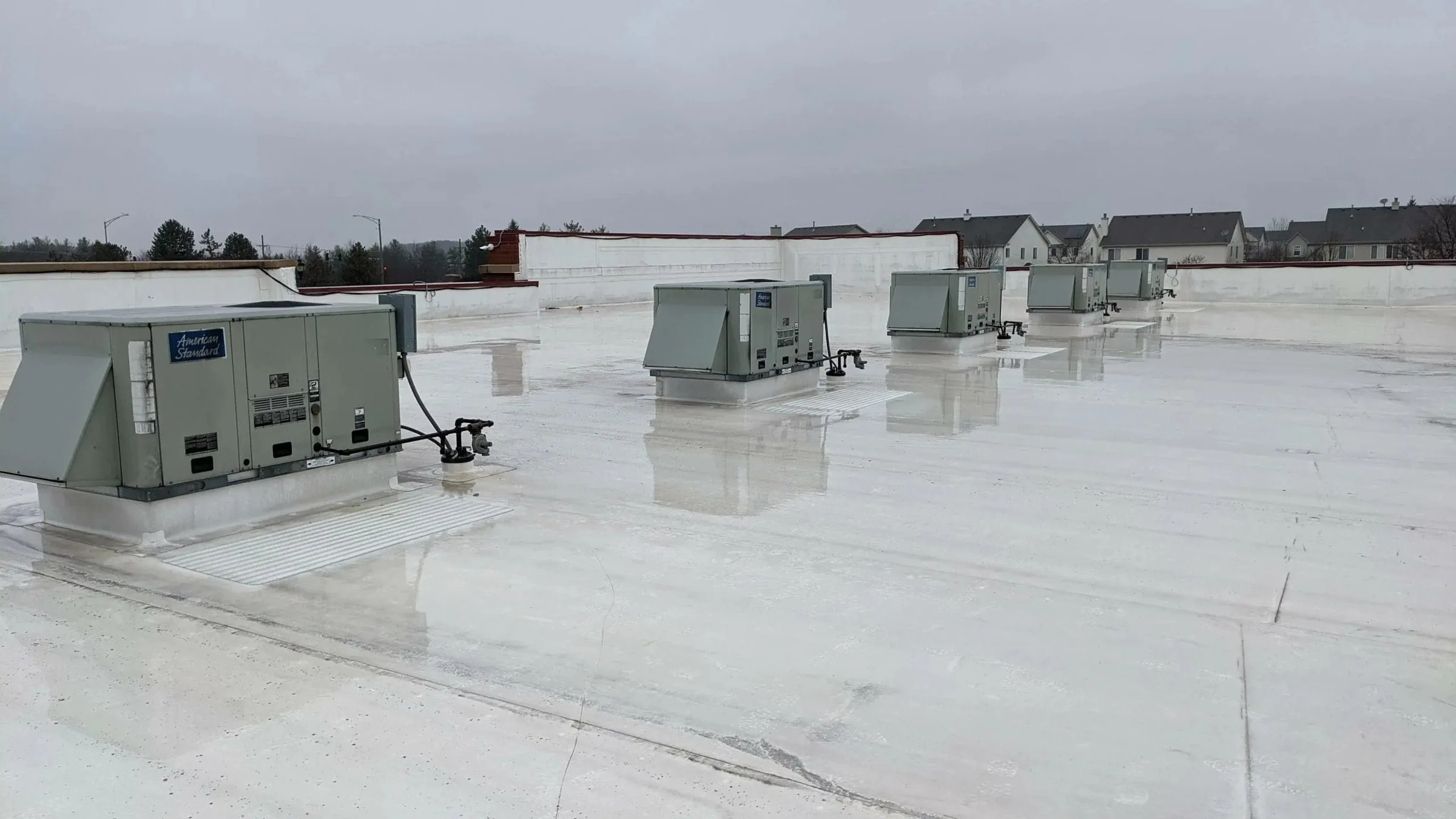
Older manufacturing buildings with roof-mounted process equipment scattered unevenly across decades of additions are the clearest fit — the kind of roofline you find on plants that started as one building and grew several times as production needs changed. We also spec foam on roofs with heavy penetration density from process piping or exhaust systems, where a membrane job would mean an enormous amount of flashing detail work at every single penetration.
It's a less common choice on simple, open rooflines with few penetrations — a straightforward rectangle roof with two rooftop units doesn't need foam's complexity-handling advantage, and a membrane system is usually the more economical choice there.
- Self-flashing application handles penetrations, curbs, and irregular geometry without seam or flashing detail at every transition
- Adds meaningful insulation value directly at the roof plane, useful on older under-insulated decks
- Requires a protective acrylic or silicone topcoat that needs periodic recoating to stay effective
- Best suited to complex, penetration-heavy rooflines rather than simple open roof shapes
- Vulnerable to hail and foot traffic damage if the protective coating isn't maintained on schedule
Foam Thickness and Tapered Applications
Because SPF is applied in a liquid state, it can be built up in varying thickness across the same roof to create positive slope toward drains on a roof that was originally flat or had ponding problems. That's a genuine advantage over most membrane systems, where correcting drainage means adding tapered insulation as a separate layer. For a roof with a documented ponding history, a tapered foam application can solve the drainage problem and the waterproofing problem in the same project.
We map existing ponding and drain locations before designing a tapered foam layout, the same way we would for any drainage correction project.
Maintenance Reality for Facilities Teams
A foam roof isn't lower-maintenance than a membrane roof — it's differently maintained. The coating needs inspection for wear, especially in high-traffic zones near equipment access points, and any physical damage to the foam itself needs prompt repair before water can get underneath the surface layer. We recommend the same annual inspection cadence we'd suggest for any commercial roof system, with particular attention to coating thickness in the areas that see the most foot traffic.
For FMs already tracking PM schedules across multiple building systems, we fold foam roof coating checks into the same inspection visit as the rest of the roof, rather than treating it as a separate specialty item.
Questions About Spray Foam Roofing
How long does a spray foam roof last?
With the protective coating maintained on schedule, foam roofs commonly deliver a long service life, and because recoating is possible rather than requiring full replacement, a well-maintained foam roof can be extended significantly beyond a typical membrane system's timeline.
Is foam a good option for a roof that already has ponding water?
Often yes, and sometimes it's the best option, since foam can be applied in tapered thickness to build positive drainage into the roof rather than just coating over an existing ponding condition.
What happens if the protective coating gets damaged?
It needs prompt repair. Exposed foam degrades under UV exposure faster than a coated surface, and unaddressed coating damage is the most common way a foam roof's lifespan gets cut short.
Can spray foam go over an existing membrane roof?
In many cases yes, assuming the existing roof passes a moisture inspection and the substrate is sound. It's a common recover approach on older buildings where tear-off would be more disruptive than necessary.
Does spray foam work in cold weather installation?
Application has temperature and humidity requirements that limit the installation window in Ohio winters. We schedule foam projects around forecasted weather windows rather than pushing an install into marginal conditions that would compromise the cure.