
Service Area
Assessment
Office
Buildings
Planning
Closeout
Apartment Roofing for a Community That's Home to People While We Work
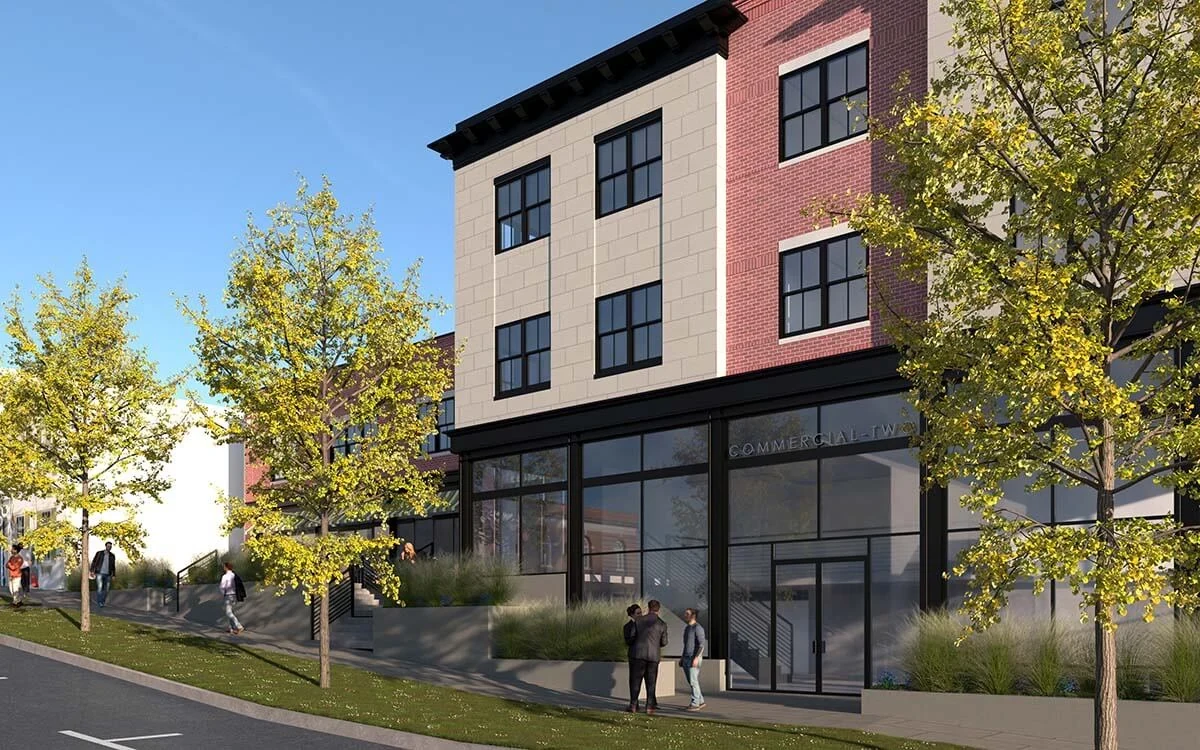
Multifamily development has picked up noticeably in Jackson Township, Green, and North Canton over recent years, adding to the apartment and townhome stock that's been part of Stark County's housing mix for decades. Roofing an occupied apartment community is a different job than roofing a warehouse or office building - every unit below the roof is somebody's home, and the disruption tolerance is measured in a resident's daily life, not a business's operating hours.
Residents Are Home During the Work, and Parking Is Always Tighter Than It Looks
Unlike an office tenant who leaves the building at 5pm, apartment residents are home during the day, in the evening, and on weekends - meaning there's rarely a truly quiet window where nobody in the building is affected by tear-off noise or staging equipment in the parking lot. We coordinate directly with the property manager on a notice process for residents well ahead of the work date, since a resident who knows a crew is coming Tuesday morning handles the disruption very differently than one who's surprised by it.
Apartment communities size their parking for residents, not for a roofing crew's staging needs, and taking even a modest number of spaces out of circulation for equipment and material creates real friction with residents trying to park near their own building. We plan staging to use the smallest reasonable footprint, often working building by building across a larger community rather than staging for the whole property at once, and we coordinate timing with the property manager on which specific spaces can come offline and for how long.
Balcony and Walkway Coverings Are Their Own Category
A lot of apartment construction in this area includes covered walkways, balcony overhangs, and breezeway roofs that are structurally and functionally separate from the main building roof, but just as prone to leaks - sometimes more so, given how many of these smaller roof sections tie into the main structure at vulnerable transition points. We inspect and scope these separately from the main roof field, since a property manager budgeting for "the roof" often hasn't accounted for the walkway and balcony coverings as their own line item.
Multi-Building Communities Need a Phased Plan
A larger apartment community with a dozen or more buildings rarely needs every roof replaced at once, and rarely has the budget to do it that way even if it did. We help property managers build a phased, condition-based replacement schedule across the whole community, prioritizing buildings by actual roof condition and remaining service life rather than working through the property in address order.
What We Watch on Multifamily Roofs
- Balcony overhang and breezeway roof transitions where they tie into the main structure
- Ceiling stains reported by individual residents that pinpoint a specific roof zone
- Gutter and downspout capacity relative to building age and roof condition
- Roof-mounted equipment serving individual unit HVAC where applicable
- Parking structure or carport roofing separate from the main residential buildings
- Flashing condition at dormers or architectural roof features common on newer construction
Insurance Claims After a Storm Hit a Whole Complex
When a hail or wind event affects an entire apartment community rather than a single building, the roofing scope and the insurance documentation get more complicated fast - multiple buildings, potentially different levels of damage building to building, and a claims process that needs clear per-building documentation rather than one blanket assessment. We document damage building by building after a storm event, which gives property managers and their adjusters a clean record to work from rather than a generalized claim that's harder to substantiate. See our storm damage repair page for how that process runs.
Move-In Cycles and Resident Communication Beyond the Property Manager
Apartment communities have their own version of a "slow season" tied to lease cycles rather than weather - the volume of move-ins and move-outs shifts through the year, and a property manager juggling a heavy turnover month doesn't need a roofing crew adding to the chaos in the parking lot. We ask about upcoming turnover volume when scheduling larger projects and adjust timing where we reasonably can.
Newer construction in Jackson Township and Green tends to carry roofs still well within their expected service life, which shifts the work on those properties toward inspection, minor repair, and documentation rather than replacement. Older apartment stock elsewhere in the county, some of it dating back several decades, is a different conversation entirely, often needing the same layer-by-layer condition assessment we'd do on any aging commercial building before recommending a full scope.
Even with good notice from the property manager, individual residents often have questions a roofing crew is better positioned to answer directly than a leasing office fielding a dozen other calls that same week - what time the noise will start, whether their specific unit is affected, how long a section of parking will be blocked. We're glad to leave a simple contact point with the property manager that residents can reach if they have a question specific to the work happening near their building, which takes pressure off the leasing staff during the project.
Common Questions From Apartment Property Managers
How much notice do residents need before roof work starts?
We recommend at least a week's written notice from the property manager for standard work, with day-of reminders for anything affecting parking availability directly outside a resident's building.
Can you work on one building at a time instead of the whole community?
Yes, and that's usually our recommended approach on larger properties. It keeps disruption contained and lets residents in unaffected buildings go about their week normally.
Are balcony and breezeway roofs part of a standard roof inspection?
We include them if asked, but they're often overlooked in a standard scope focused on the main building roof. Worth specifically requesting if your community has these features.
How do you document storm damage across a multi-building property?
Building-by-building photo and condition documentation, which gives you and your insurance adjuster a clear per-building record rather than one generalized assessment for the whole community.
How often should a multifamily property this size be inspected?
Twice yearly on a rotating building schedule for larger communities, plus a full walk after any significant storm event affecting the area.