
Service Area
Assessment
Office
Buildings
Planning
Closeout


School Roofing Timed to the Academic Calendar, Not Ours
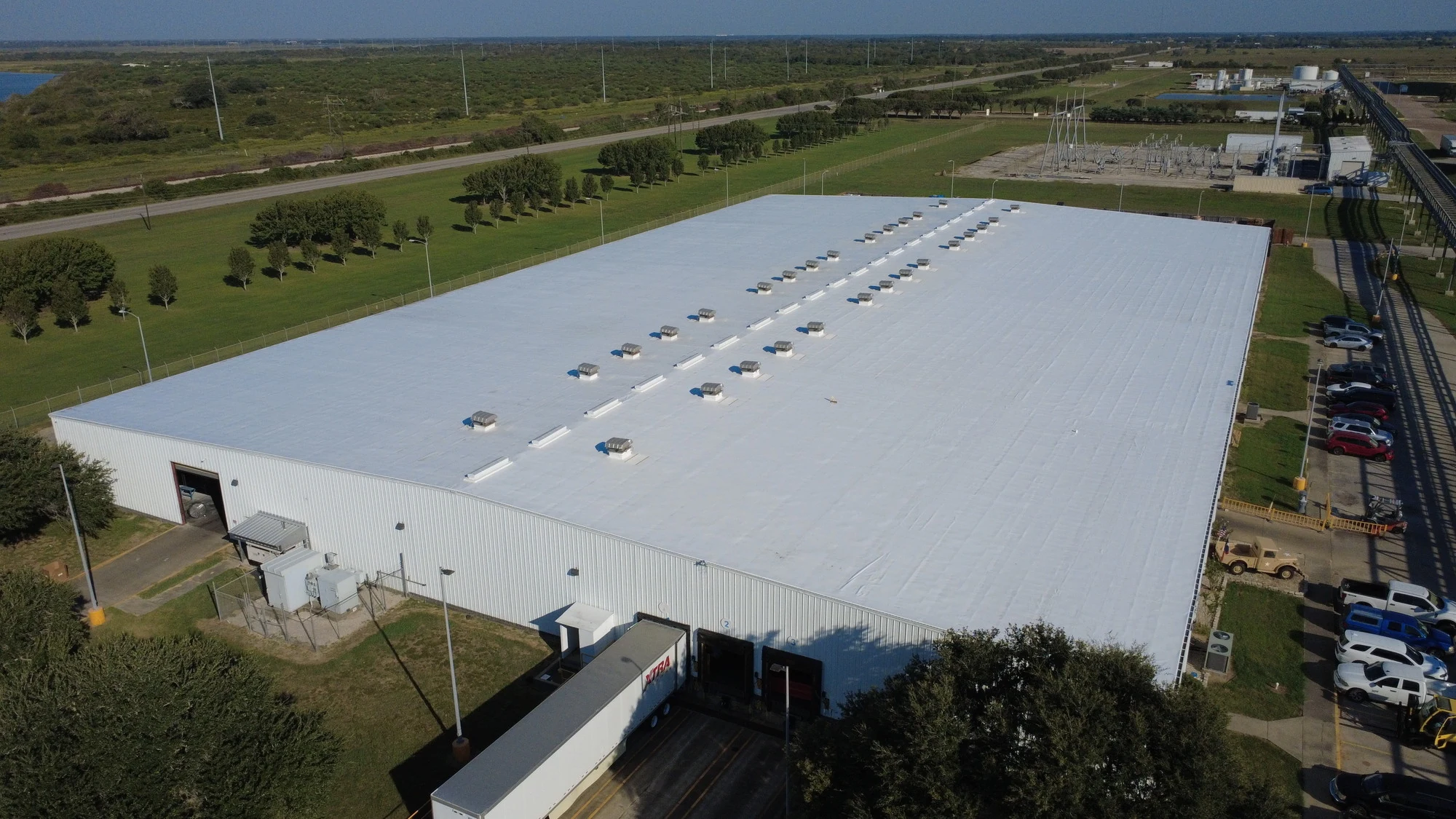
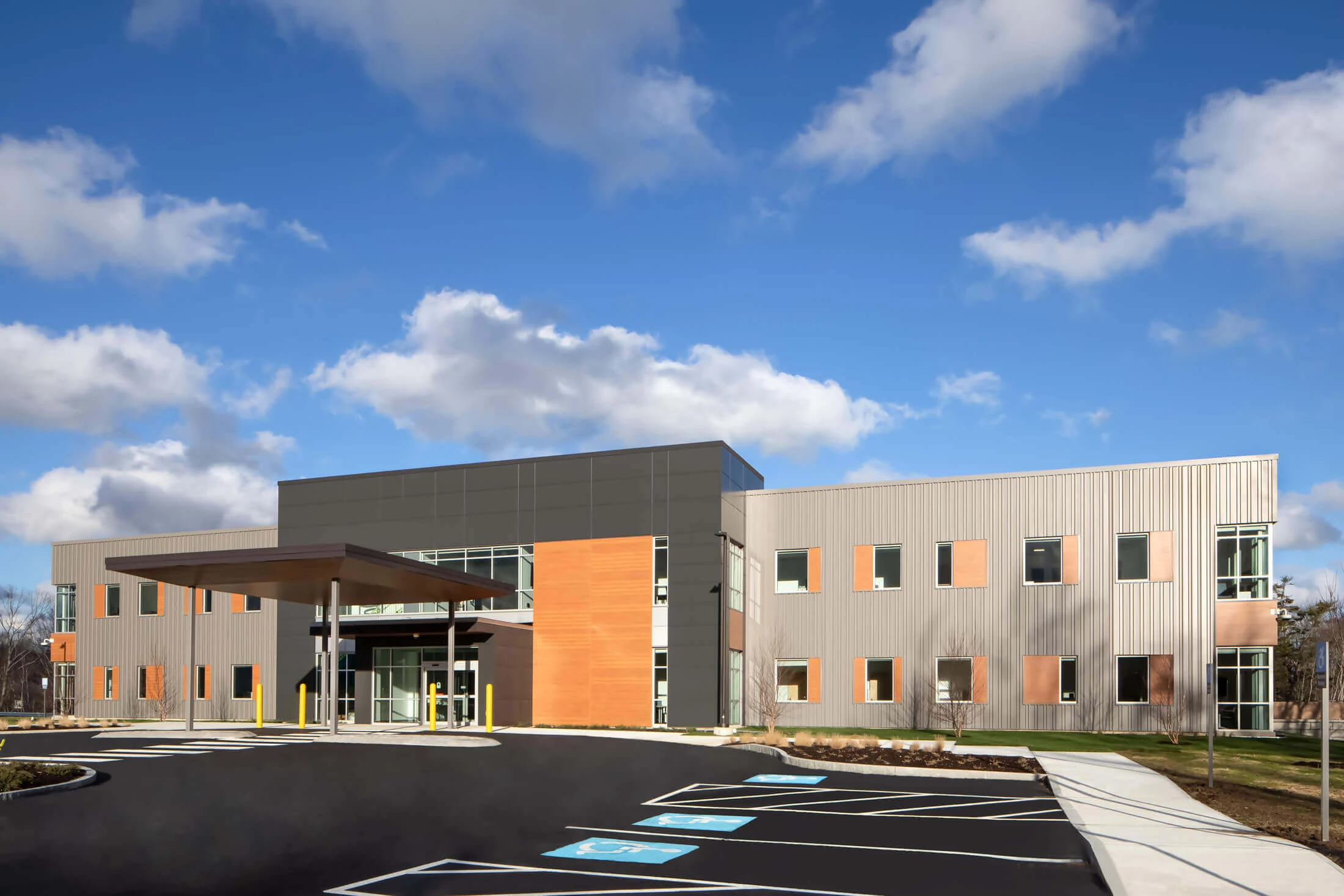
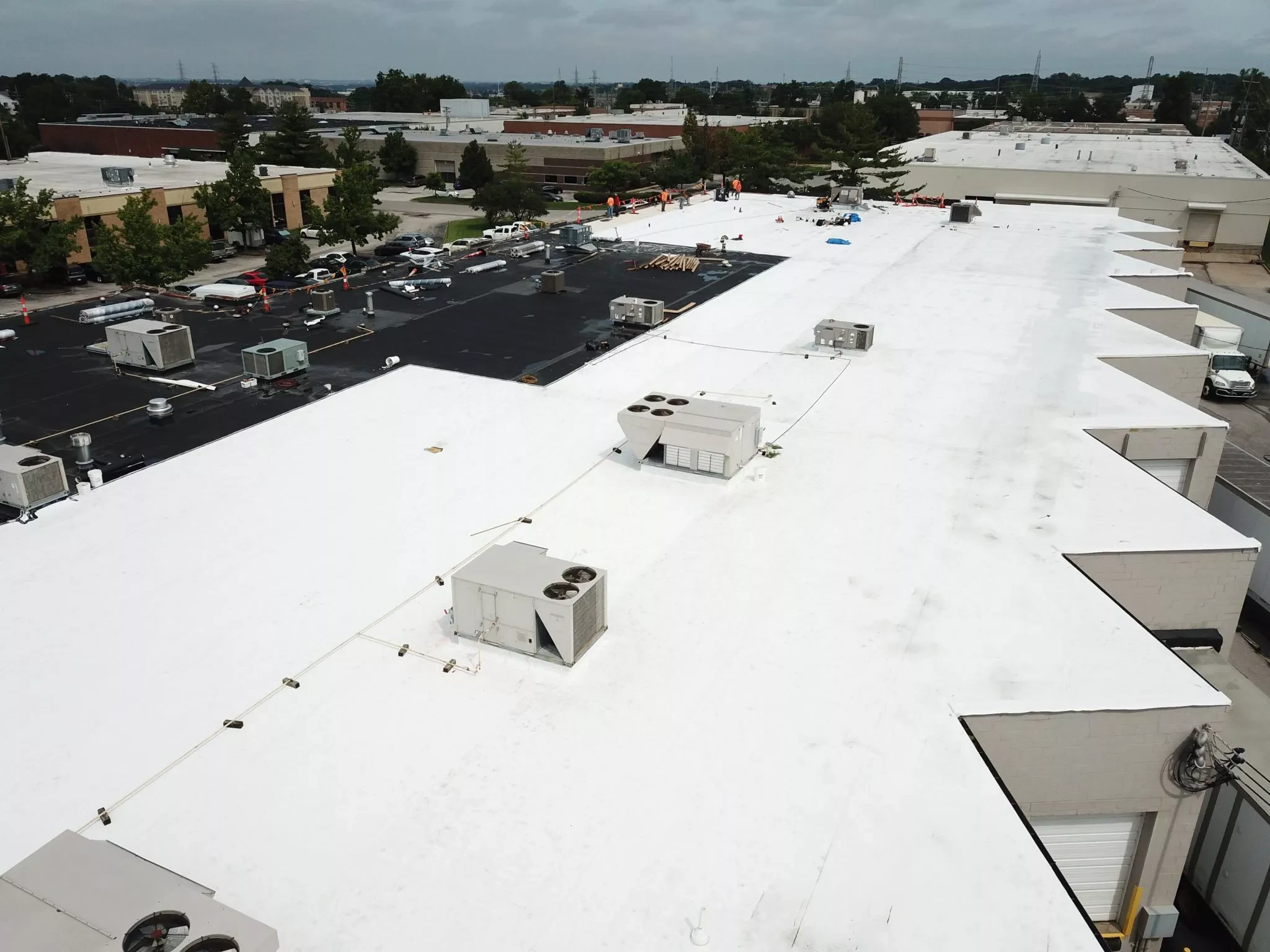
Canton City Schools, Plain Local, Jackson Local, and the district buildings scattered through the rest of Stark County all face the same roofing constraint: there's a real, narrow window between the last day of classes and the first day back when a district can get major roof work done without disrupting instruction, and every project has to be planned around that window months in advance.
Summer Windows and What Fits Inside Them
A full tear-off and replacement on a large elementary or high school roof can be a multi-week project, and summer break in Ohio runs roughly ten to twelve weeks depending on the district calendar - which sounds like plenty of time until you account for summer school sessions, athletic camps using the gym and fields, and the district's own maintenance staff needing access for other projects during the same window. We start scoping summer roof work with district facilities directors well before the school year even ends, so material is ordered and crews are scheduled to hit the ground the day the building empties out.
Not every project fits in a single summer. On larger campuses, we phase roof replacement across two or three summer windows, closing out each phase completely before students return rather than leaving a section in an unfinished state over the school year.
Older Buildings, Built-Up Roofs at the End of Their Life
A lot of the district building stock in Stark County dates to the mid-20th century, and a fair number of those schools are still carrying original or early-generation built-up roofing that's well past a reasonable service life. These older roofs often have multiple re-cover layers stacked on top of the original system from decades of patch-and-repair budget decisions, which adds weight to the deck and complicates a clean tear-off. We do a full roof history review - as many layers as we can document - before pricing a replacement on an older school building, since what looks like a straightforward tear-off can turn into a much bigger scope once we're actually into the deck.
Working Safely Around an Occupied Building
Even in summer, schools aren't fully empty. Maintenance staff, summer school programs, and camps mean roof work has to account for building occupancy and student safety even outside the regular academic year. We fence and clearly mark all staging and material drop areas, keep debris containment tight around any active entrances, and coordinate daily with the building principal or facilities lead on which doors and walkways need to stay clear.
Bond-Funded Projects and Budget Realities
School roofing work is frequently tied to bond issue funding, which means budgets are set well in advance and don't flex easily if a project scope grows once work starts. We try to catch scope surprises - hidden deck damage, unexpected layers, asbestos-containing materials in older roof assemblies - as early in the process as possible, through thorough pre-project investigation, so a district isn't caught mid-summer with a budget gap and a half-finished roof.
What We Check on District Roofs
- Number of existing roof layers and total deck load on older buildings
- Gym and cafeteria roof condition separately from classroom wing roofs
- Rooftop unit curb flashing serving HVAC replaced on a different cycle than the roof
- Drainage at additions where newer wings tie into original 1950s-60s construction
- Skylight and roof monitor condition in libraries and common areas
- Signs of asbestos-containing materials in pre-1980s roof assemblies requiring special handling
Coordinating District-Wide: Multi-Building Portfolios and Modular Additions
Districts managing a dozen or more buildings need a roofing partner thinking in portfolio terms, not building by building in isolation. We help facilities directors build a multi-year roof replacement priority list based on actual condition and remaining service life across the whole district, so bond funding gets aimed at the buildings that need it most urgently rather than whichever roof happens to leak loudest in a given year.
That portfolio view also helps a district plan ahead for the summers when scope will be biggest, rather than discovering in April that this year's priority building needs more work than a single summer window can absorb. A three-to-five-year outlook, updated after every inspection cycle, gives a facilities director something concrete to bring into bond planning conversations well before the money actually needs to be spent.
Growing districts and buildings that outpaced their original capacity sometimes carry portable classrooms or modular additions with their own separate roof systems, tied loosely if at all into the main building's drainage plan. These add-on roofs age differently than the main structure and are easy for a facilities team to overlook in a district-wide condition assessment, since they don't always show up clearly on original building drawings. We inventory them separately during a district-wide walk so they don't fall through the cracks of a larger capital planning conversation.
Questions District Facilities Directors Ask Us
Can a full reroof realistically finish in one summer?
Depends on building size and how many roof layers are already up there. We give districts an honest single-summer-versus-phased assessment early, based on a pre-project deck and layer investigation, rather than square footage alone.
What happens if you find asbestos-containing material in an older roof?
Work stops on that section and we coordinate with your district's designated abatement process before proceeding. We flag the risk during pre-project investigation on any pre-1980s building specifically to avoid this surprise mid-project.
How do you keep the site safe with summer programs still using the building?
Fenced and clearly marked staging areas, contained debris chutes, and daily coordination with building staff on which entrances and walkways need to stay open.
Can you help us prioritize which buildings need roofs replaced first?
Yes, we build condition-based priority assessments across a full building portfolio so bond funding gets directed by actual need rather than guesswork.
What's the right roof system for a gym versus a classroom wing?
Gym roofs often carry different structural spans and equipment loads than classroom wings, so we frequently spec them separately even on the same campus. We'll walk both before recommending a unified or split approach.