
Service Area
Assessment
Office
Buildings
Planning
Closeout


Hotel Roofs Where the Guests Are Never the Ones Who Should Notice
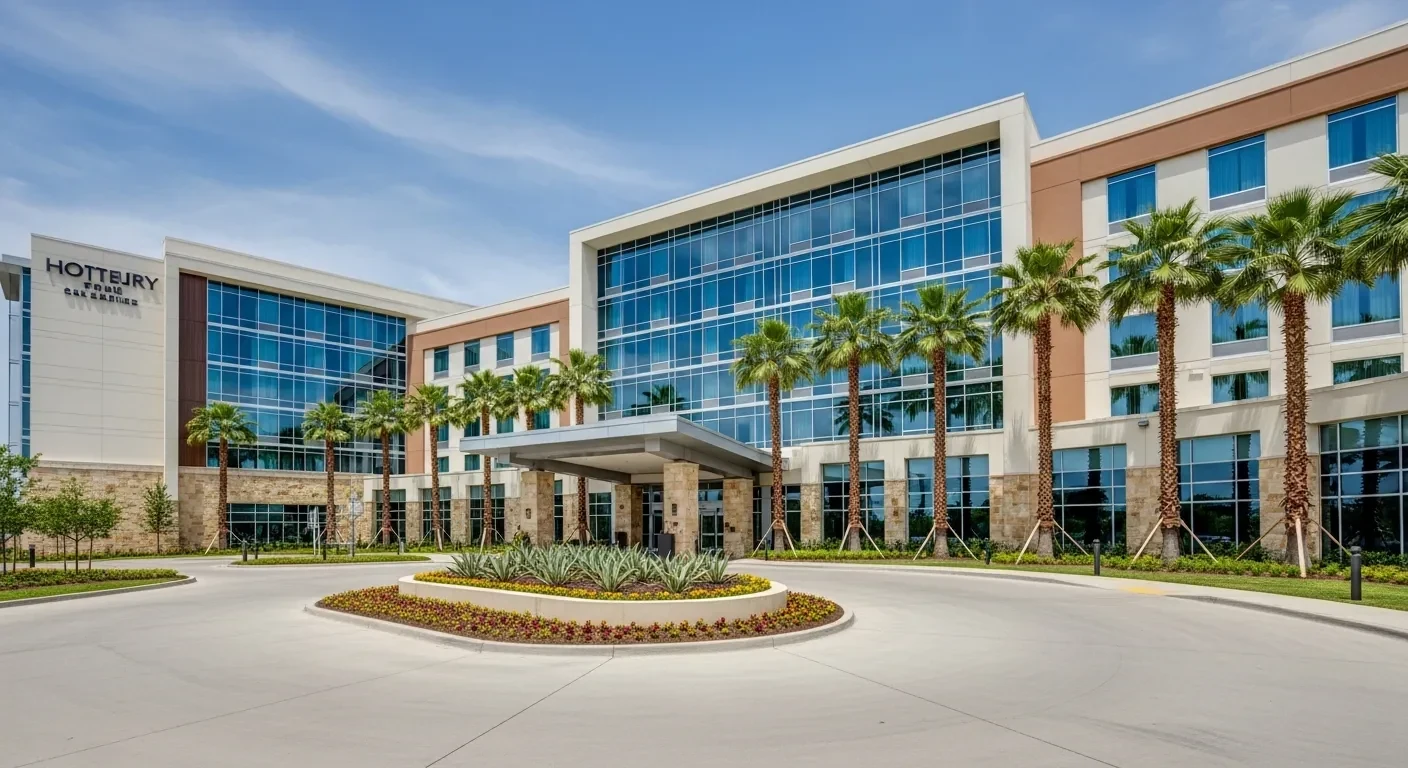
The hospitality development that's grown up around Hall of Fame Village has brought a run of new hotel construction to Canton, and it's brought a version of roofing work that plays by different rules than a warehouse or plant job. There's finished interior directly below almost every square foot of a hotel roof, guests sleeping through the work, and a general manager whose entire day gets harder if a roofing crew creates noise or disruption without warning.
Guest Rooms Sit Directly Below the Membrane
Unlike an industrial building where the space below a roof section is open warehouse or production floor, a hotel roof has finished ceilings, HVAC, and paying guests in nearly every room beneath it. That changes the tolerance for water intrusion during work to essentially zero - a small amount of moisture that would be a minor annoyance in a warehouse becomes a stained ceiling tile, a damaged guest room, and a refund conversation at the front desk in a hotel. We plan dry-in sequencing tighter on hotel jobs than on almost any other property type, closing sections fully before opening the next rather than leaving broader areas exposed overnight.
Noise Windows That Respect Sleeping Guests
Tear-off, mechanical fastening, and material delivery all generate noise that carries into guest rooms, especially on upper floors closest to the roof deck. We coordinate work hours directly with hotel management - typically starting after guests are more likely to be up and finishing before evening check-in traffic peaks - rather than defaulting to the earliest legal start time and assuming that's fine because it's technically daytime.
Weekend timing matters differently at a hotel than at an office building. A hotel's highest-occupancy nights are often Friday and Saturday, the opposite of a typical commercial property, so we plan the noisiest work for weekday mid-mornings when occupancy and noise sensitivity are both lower.
PTAC Penetrations and Amenity Deck Waterproofing
Many hotel buildings run through-wall or roof-adjacent PTAC units and individual room exhaust penetrations rather than one central rooftop system, which means a hotel roof can carry dozens of small penetrations concentrated along the building's perimeter zones. Each one needs its own flashing detail, and a hotel with a hundred-plus rooms can have a hundred-plus individual points where a membrane can fail if those details weren't done right originally.
Hotels built with rooftop or elevated amenity decks - pool areas, outdoor lounges - carry a different roofing challenge entirely, since these areas combine waterproofing requirements with foot traffic, furniture loads, and constant exposure to pool chemicals that can degrade certain membrane types faster than a standard roof deck ever sees. We spec amenity deck waterproofing separately from the main building roof for exactly that reason.
What We Watch on Hotel Roofs
- Individual PTAC and guest-room exhaust penetrations along perimeter walls
- Amenity deck waterproofing exposed to pool chemicals and furniture traffic
- Standing seam or accent metal roofing on street-facing architectural elements
- Flashing at parapet walls facing prevailing wind and driving rain
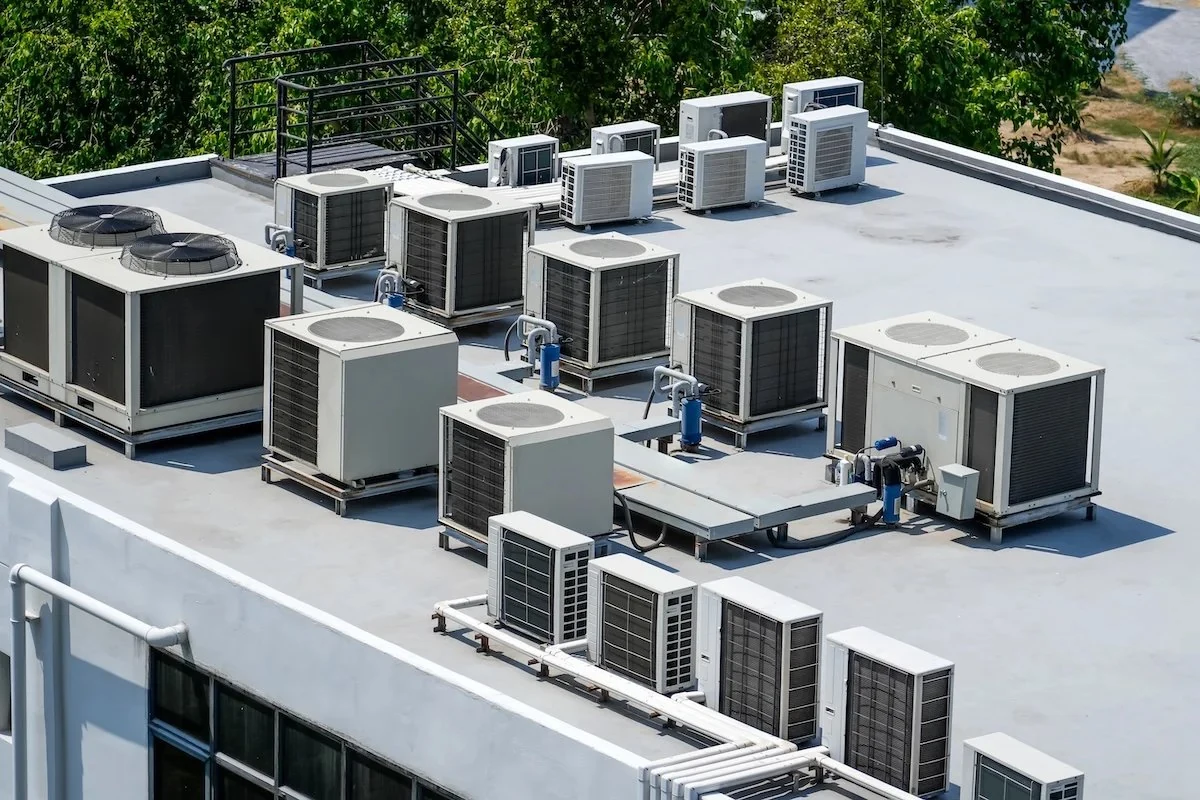
- Drainage around rooftop mechanical serving guest floor HVAC
- Interior ceiling stains reported by housekeeping before they're visible from the roof
Working With the General Manager, Beyond Facilities
At a hotel, the person who feels the impact of a disruptive roof job first is often the general manager fielding a guest complaint, not the facilities contact who scheduled the work. We make sure the GM has visibility into the schedule before work starts, and not only the engineering or facilities lead, so front-desk staff aren't caught flat-footed explaining noise or access changes to guests.
Room block bookings tied to events at Hall of Fame Village add another layer of scheduling pressure that most hotel properties elsewhere don't deal with. A weekend with a major event nearby can push occupancy close to full, which is exactly the wrong time for a roofing crew to be staging equipment in the parking lot or generating noise near upper floors. We ask for the property's event-driven booking calendar alongside its standard occupancy patterns before locking in a work schedule, since the two don't always move together.
Standing Seam Accents and Street-Facing Architecture
New hospitality construction in this corridor tends to lean on architectural metal roofing - standing seam sections over entry porticos, mansard-style accent roofs along the street-facing elevation - that carry more curb appeal weight than the low-slope field membrane covering most of the building's actual square footage. We treat these visible metal sections as their own scope, since a scratched or mismatched panel on a hotel's most photographed elevation is a different kind of problem than a minor field membrane repair nobody driving past will ever notice.
Common Questions From Hotel Facilities and GMs
Can roof work happen without closing guest rooms below?
In most cases yes, as long as we sequence the work in small enough sections and close each one fully before moving to the next. We'll walk the specific building and flag any rooms that may need temporary relocation during the most disruptive phase.
How do you prevent noise complaints during a reroof?
Coordinated start times timed to your occupancy patterns, sequencing the loudest work for weekday mid-mornings, and giving your front desk a heads-up schedule they can hand to guests who ask.
Does pool deck waterproofing need a different system than the main roof?
Yes. Pool chemical exposure and foot traffic call for a different waterproofing spec than a standard low-slope field membrane, and we treat amenity decks as a separate scope from the main roof.
What happens if a leak is found in an occupied guest room?
We prioritize that as an emergency call, get a tarp or temporary seal on the source fast, and coordinate directly with your engineering team on interior drying before the permanent repair.
How do PTAC penetrations affect long-term roof maintenance?
They add a lot of individual flashing points that need periodic inspection, since a failure at any single unit's penetration can cause a leak isolated to just that one guest room. We check them as part of our standard roof inspection scope on hotel properties.