
Service Area
Assessment
Office
Buildings
Planning
Closeout
Big-Box Roofs Along Belden Village and the Whipple-Dressler Corridor
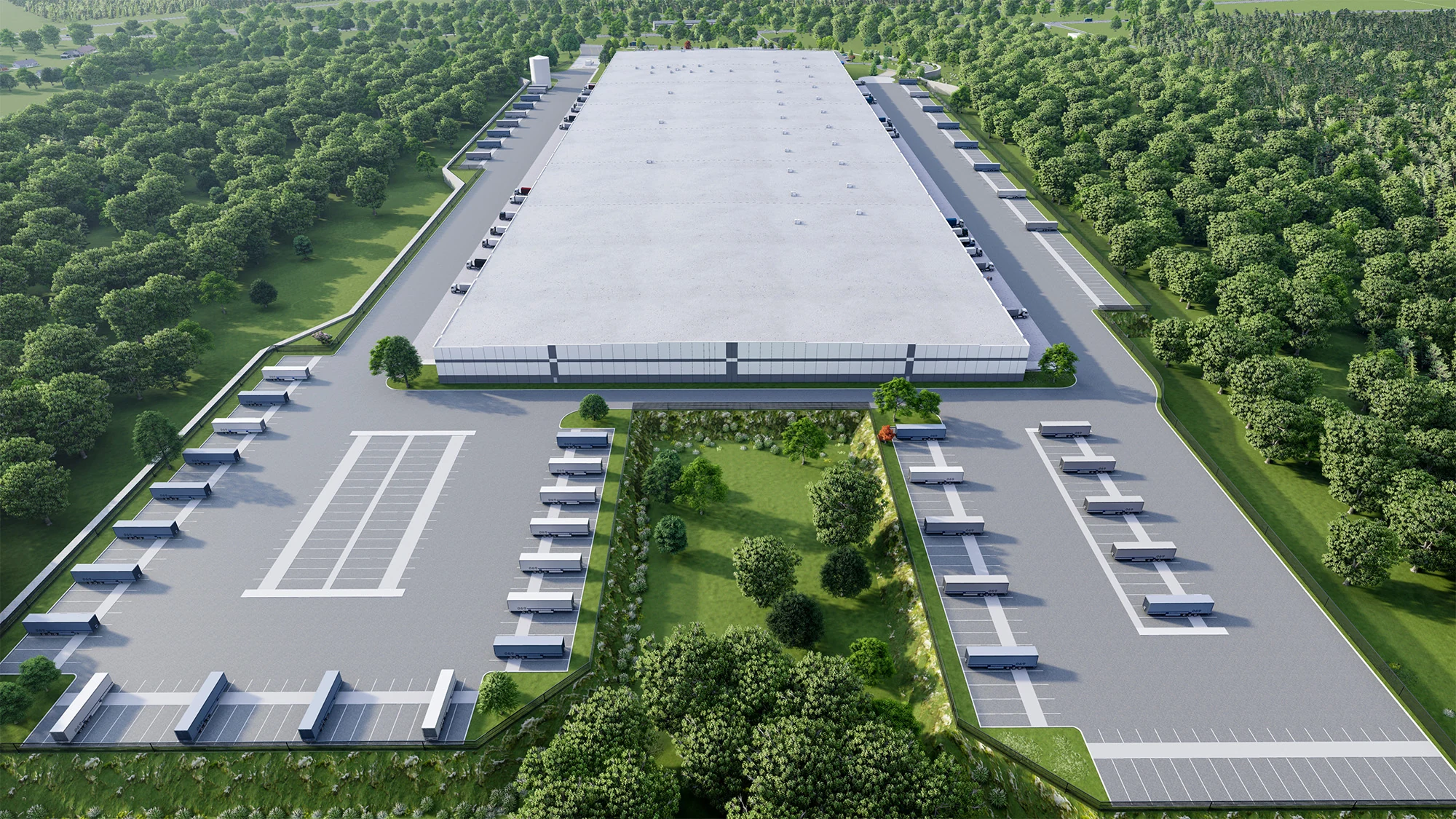
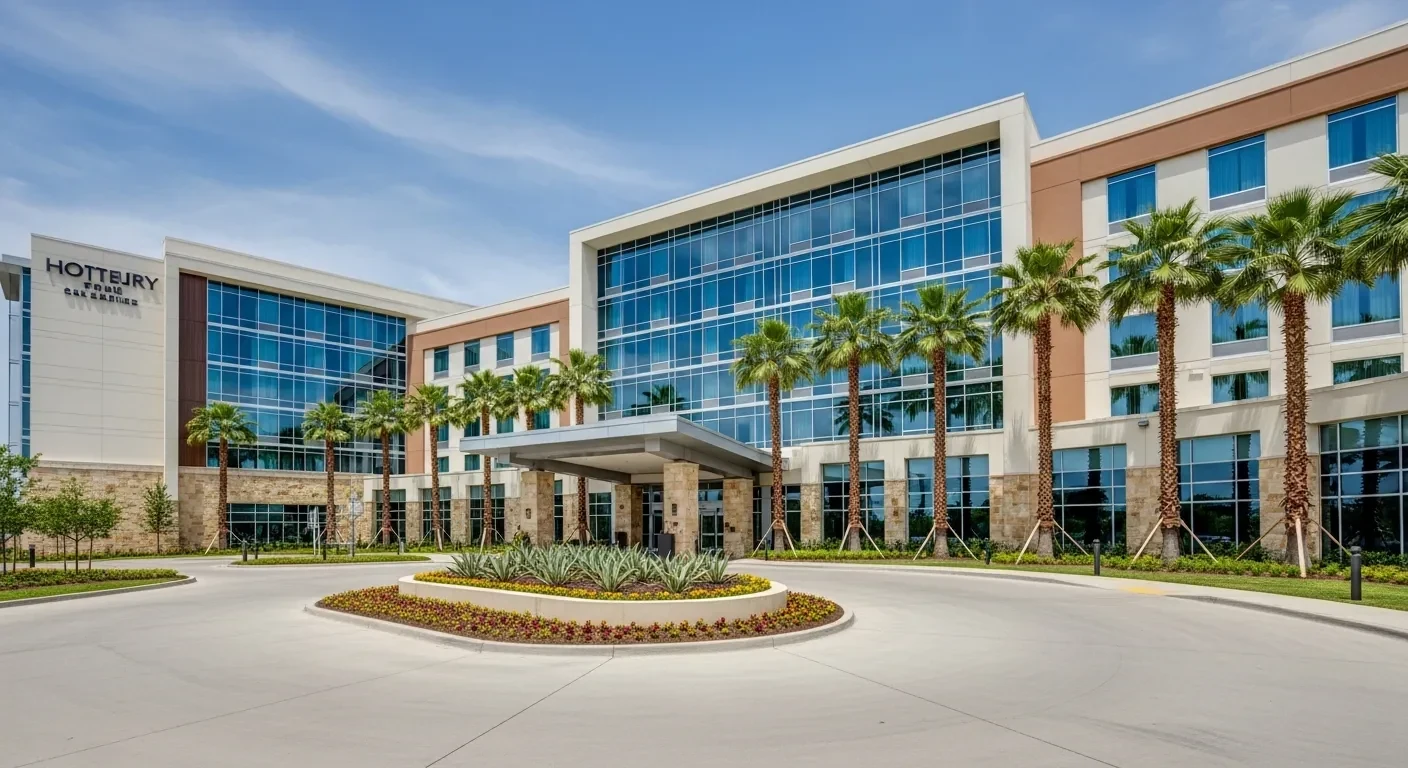
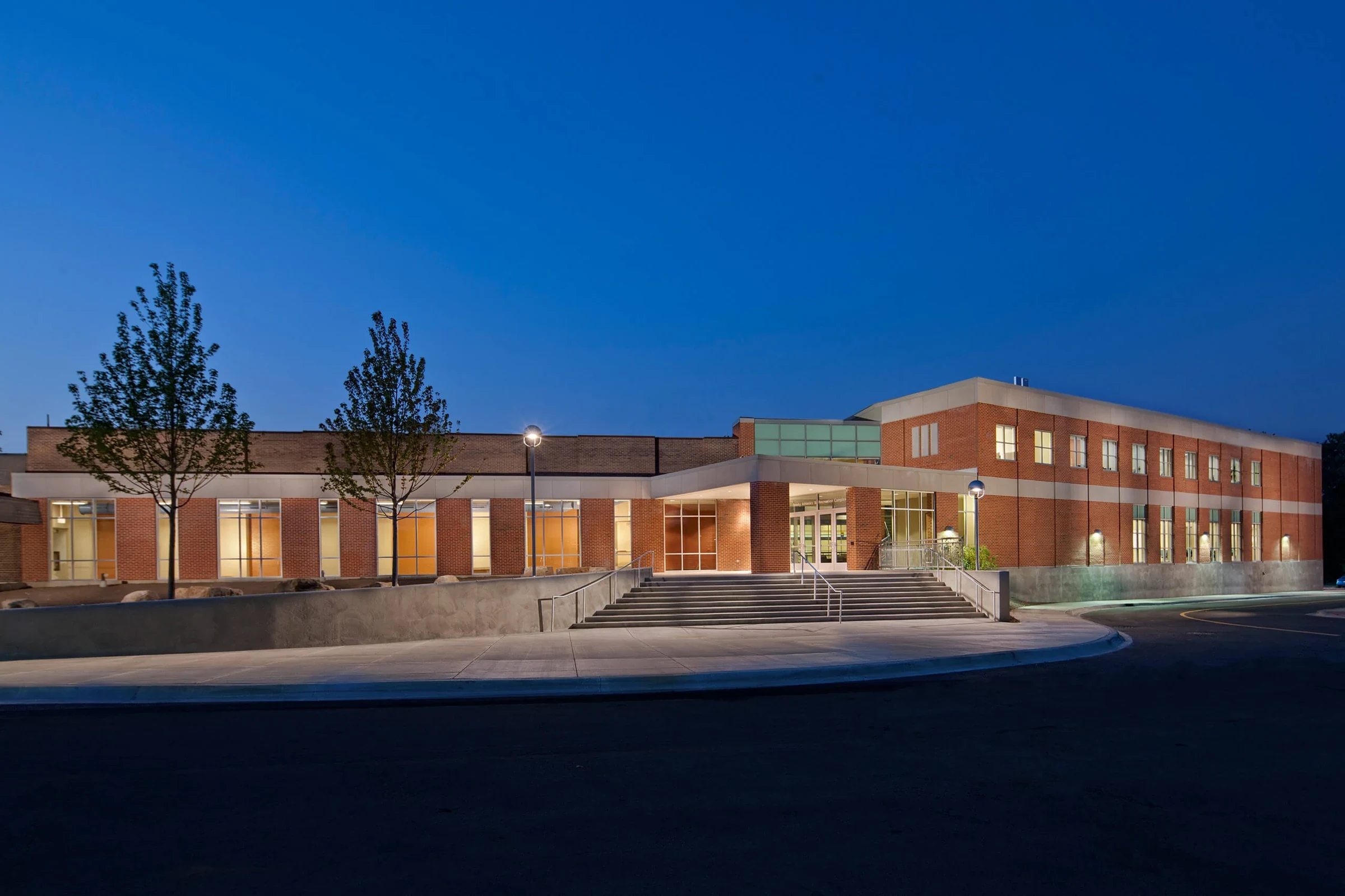
The retail concentration around Belden Village Mall and the big-box strip running along Whipple and Dressler has some of the highest-traffic commercial roofs in Stark County - not from foot traffic on the roof itself, but from the sheer volume of customers moving through the sales floor below every single day the store is open. That reality shapes almost everything about how we approach a big-box roof project.
The Store Doesn't Close for Us, Especially Not During the Holidays
A big-box retailer losing a day of operations to roof work is a real revenue hit, and most of these stores simply don't close for anything short of an emergency. We schedule tear-off, material delivery, and any noisy work for overnight hours after close and before open, staging so the sales floor is fully clear and undisturbed by the time the doors open the next morning. That means our crews are often working a big-box roof on the opposite schedule from a typical commercial job - starting as the last shift leaves and wrapping before the first morning shift arrives.
Retail along this corridor runs its heaviest volume from Black Friday through the end of the year, and that's exactly the window when a store cannot tolerate any roof-related disruption, planned or otherwise. We front-load non-emergency roof projects into the spring and summer months specifically to avoid competing with holiday season, and we keep emergency response capacity available through the holidays because that's when a leak is most costly to a retailer relying on peak foot traffic.
Entrance Canopies and Customer Safety
The entrance canopy over a big-box store's main doors sees more direct exposure to customer traffic below than almost any other part of the roof, and a leak there creates a wet floor right where hundreds of customers walk in every day. We treat canopy roofing as a priority inspection zone specifically because of that customer safety angle - not because we can promise any particular liability outcome, but because a dry canopy is a basic expectation retailers have of their building, and it's one of the fastest things to check on a routine visit.
Rooftop HVAC Serving the Sales Floor
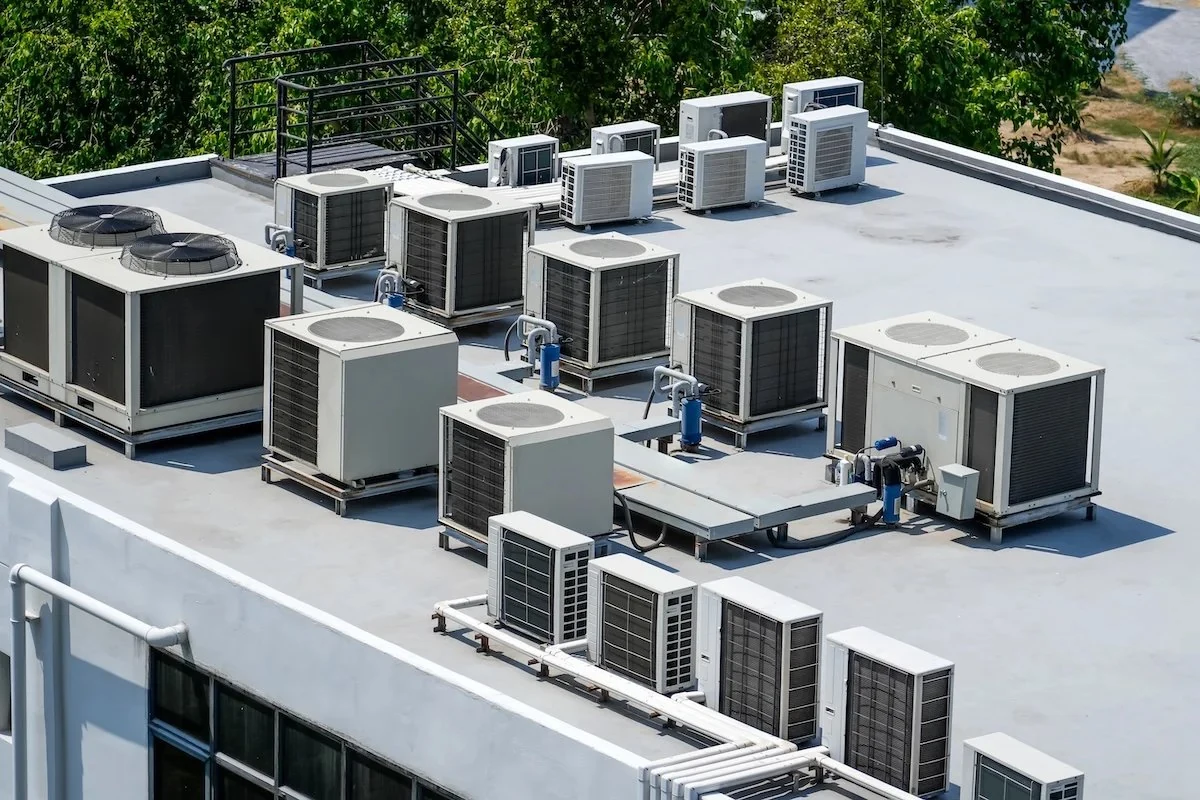
Big-box stores run large rooftop units keeping a wide-open sales floor comfortable, and those units sit on curbs that see more thermal cycling stress than a typical office building's HVAC penetrations because of the sheer tonnage moving through them. Curb flashing around big-box RTUs is one of the first places we check on an inspection, since a failure there affects both roof integrity and the store's ability to maintain comfortable temperatures for shoppers.
What We Check First on a Big-Box Roof
- Entrance canopy membrane and drainage condition
- RTU curb flashing across the large sales-floor HVAC units
- Loading dock area roofing separate from the main sales floor roof
- Parapet and edge metal condition on street-visible elevations
- Skylights or roof monitors used for daylighting over the sales floor
- Signage structure penetrations and their surrounding flashing detail
Coordinating With Store Management, Beyond the Regional Facilities Line
Big-box retailers often manage facilities through a regional or corporate line, but the store manager on-site is the one who deals with the practical reality of a crew working overhead. We keep the on-site store manager looped in on scheduling even when the contract and approvals run through a corporate facilities team, so there's no confusion at the store level about what's happening and when.
Loading Dock Roofs and Overnight Security Protocols
The roof over a big-box store's loading dock and stockroom area takes different traffic and different equipment loads than the roof over the sales floor - baling equipment exhaust, compactor venting, more frequent foot traffic from staff accessing rooftop units for basic troubleshooting. We evaluate and often spec that section separately from the main sales-floor roof rather than treating the whole building as one uniform system.
Anchor stores in a shopping center often carry a different roof age and system than the smaller inline retail bays sharing the same parking lot, since they were frequently built or expanded on a separate timeline from the strip center around them. When we're servicing an anchor big-box location, we look at whether the surrounding inline retail roof is under the same ownership and management umbrella, since bundling inspection visits across a shopping center can save a property manager real coordination time even when the roof systems themselves are different.
Working a retail roof overnight also means coordinating with whatever security protocol the store runs after hours - alarm systems, security patrol check-ins, sometimes a night stocking crew working inside while we're working above. We confirm the store's specific after-hours protocol with the store manager before the first night of work, so our crew isn't accidentally tripping an alarm or creating confusion for a security patrol unfamiliar with a scheduled roofing job.
Common Questions From Retail Facilities Managers
Can a full reroof happen without the store ever closing?
In most cases yes, working overnight hours exclusively and staging so the sales floor is untouched by opening time. We'll walk the specific building and timeline before committing to an all-overnight schedule.
How do you avoid disrupting the store during the holiday season?
We plan non-emergency work outside the Black Friday through year-end window entirely, and reserve emergency response capacity specifically for that period since it's the most costly time for a leak to go unaddressed.
What's causing the leak at our main entrance canopy?
Canopy roofs see concentrated foot traffic vibration and drainage demands different from the main field, and are often the first section to show wear. We prioritize canopy inspection on every visit for exactly that reason.
Do you coordinate with corporate facilities or the store directly?
Both. Approvals and contracts typically run through your regional or corporate facilities team, but we keep the store manager informed on scheduling since they're the one managing the building day to day.
How often should a big-box roof this size be inspected?
Twice yearly, with an added canopy and RTU curb check ahead of the holiday season specifically, so nothing needing attention gets left until the store's busiest weeks.