
Service Area
Assessment
Office
Buildings
Planning
Closeout
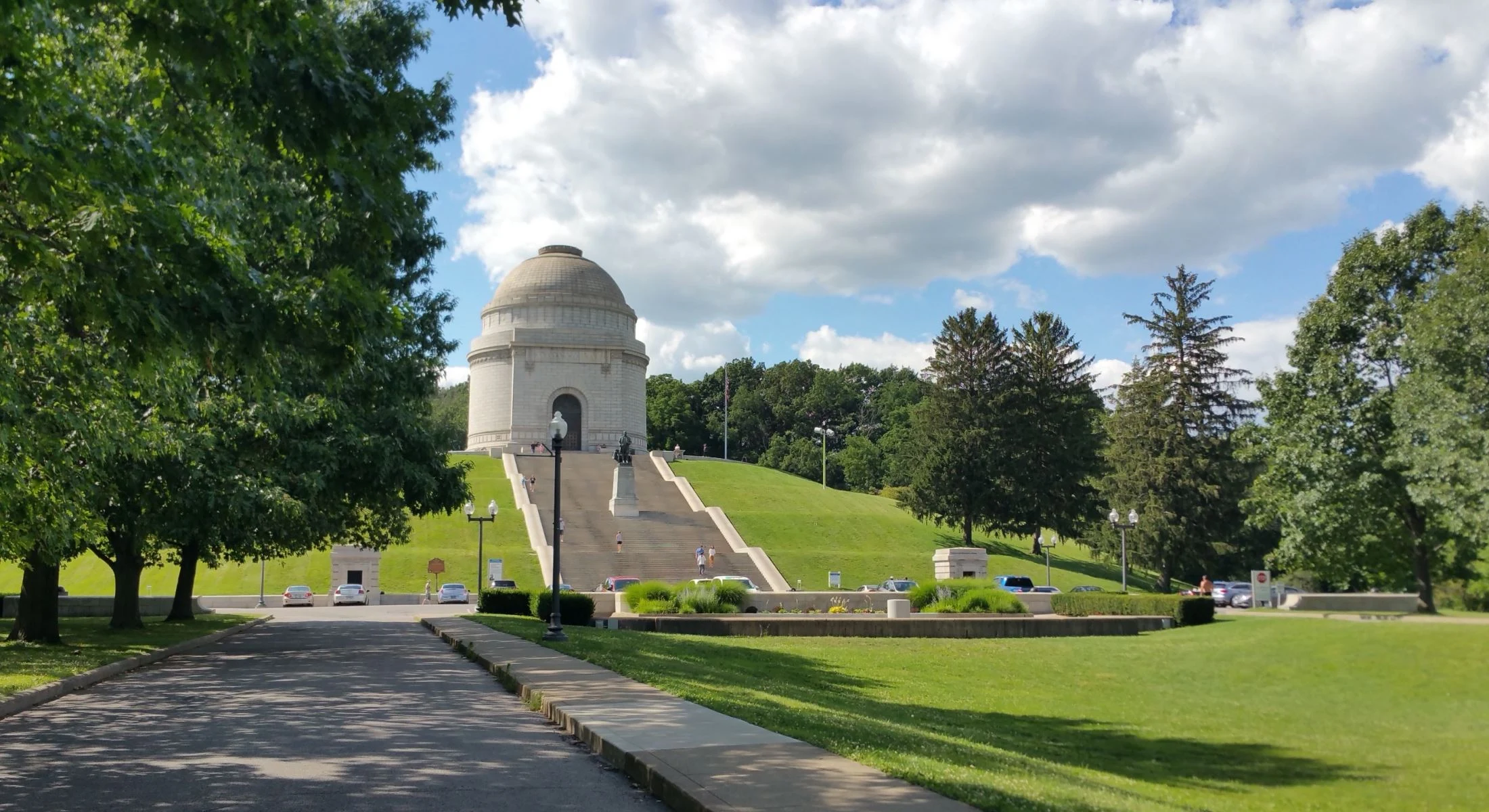
Commercial Roofers in North Canton
A practical commercial roofing plan for North Canton properties separates urgent leak control from repair, coating, maintenance, and replacement decisions supported by photos and condition findings. North Canton has two building categories that most Stark County roofing conversations don't have to deal with: a former manufacturing campus now carrying office, retail, and residential tenants, and a university with its own academic calendar. Both require more planning up front than a standard commercial job.
The Former Hoover Manufacturing Campus, Reused
The old Hoover factory buildings near downtown North Canton have been redeveloped into a mix of office, retail, and residential space over the past several years, and that shift changes what the roof needs to do. A building built for manufacturing tolerances in the early-to-mid 1900s wasn't engineered for the rooftop mechanical load a modern office or apartment tenant expects.
Before we put a new membrane on one of these buildings, we look at the structural deck and framing first. Old brick-and-steel manufacturing buildings can carry surprising weight, but not unlimited weight, and adding new HVAC or solar equipment on top of a century-old roof deck is a structural question before it's a roofing question.
These buildings are also occupied by tenants who moved in expecting a finished, modern space, not an industrial shell — so aesthetics and noise control during roof work matter more here than on a typical warehouse.
Walsh University Buildings
Academic buildings, athletic facilities, and residence halls on campus each come with their own scheduling constraint: none of them can go down during the academic year without real disruption. Roof replacement on a residence hall or classroom building gets planned around the summer break window as a default, not squeezed in whenever a crew is free.
Gymnasiums and field houses tend to run larger clear-span roofs with higher structural demands than a standard classroom building, and we check for interior condensation issues on these before assuming a leak is coming from the roof surface itself.
We coordinate directly with campus facilities staff on access, parking, and noise windows, since a university campus has more moving parts on any given day than a standalone office building does.
Manufacturing and Office Space Near Downtown
Away from the redeveloped Hoover campus, North Canton still has working manufacturing space and standard office buildings that need routine roof maintenance rather than a full adaptive-reuse plan. These jobs run closer to what you'd expect anywhere else in Stark County — membrane inspection, drain maintenance, and repair on a normal schedule.
A handful of these standard office and light-manufacturing buildings sit close enough to the redevelopment district that owners sometimes assume the same adaptive-reuse rules apply to them. They usually don't. If a building was constructed as conventional office or manufacturing space rather than converted from a much older structure, we treat it with a standard TPO or EPDM maintenance plan instead of the added structural scrutiny the historic Hoover buildings require.
- Structural deck evaluation before adding rooftop equipment on pre-1950s manufacturing buildings
- Old roof penetrations from removed manufacturing-era equipment that were never properly sealed
- Uneven roof sections where additions were tied into original factory rooflines at different elevations
- Condensation-driven interior moisture on large clear-span gymnasium and field house roofs
- Aesthetic and noise requirements on redeveloped buildings with active retail or residential tenants below
Scheduling Around Occupied Historic Buildings
A redevelopment district doesn't get the luxury of an empty building during roof work. We phase jobs on the old Hoover campus buildings to keep occupied sections dry and functional while work proceeds on another section, and we coordinate directly with the redevelopment's property management on tenant notice and access windows.
Noise and dust control get more attention here than on a standalone warehouse, since ground-floor retail tenants are dealing with customers walking in below active roof work.
Seasonal Roof Loads in North Canton
The same freeze-thaw and lake-effect snow patterns that hit the rest of Stark County reach North Canton, but the older brick-and-steel buildings here respond differently than a modern steel-frame commercial building — masonry parapets crack under repeated freeze cycling in a way a newer building's coping system doesn't.
We check parapet and cornice condition as part of any roof inspection on the older campus buildings, since a masonry failure at the roofline can look like a roofing problem when it's actually a building envelope issue that needs a different contractor entirely.
Questions About Roofing Redeveloped and Campus Buildings
Can you add rooftop HVAC to an old manufacturing building without overloading the structure?
Sometimes, but we check the deck and framing capacity first. If the structure can't take the added load without reinforcement, we'll tell you that before you spend money on equipment that can't go up safely.
Do you schedule university roof work around the academic calendar?
Yes — we default to summer break for anything that would disrupt classroom or residence hall occupancy, and we coordinate directly with campus facilities on any work that has to happen during the school year.
How do you handle roof work on buildings with active ground-floor tenants below?
We phase the work, control noise and dust, and keep material staging away from customer entrances, treating the ground-floor business as a constraint on the schedule rather than an afterthought.
Is a leak in an old Hoover campus building always a roofing issue?
Not always — masonry parapet cracking and old, unsealed penetrations from removed manufacturing equipment both cause leaks that look roof-related but need different fixes. We check both before recommending membrane work.
What roof systems work best over old manufacturing decks?
It depends on the deck's condition and load capacity, which is why we start with a structural look rather than defaulting to one membrane type across every building on the campus.