
Service Area
Assessment
Office
Buildings
Planning
Closeout
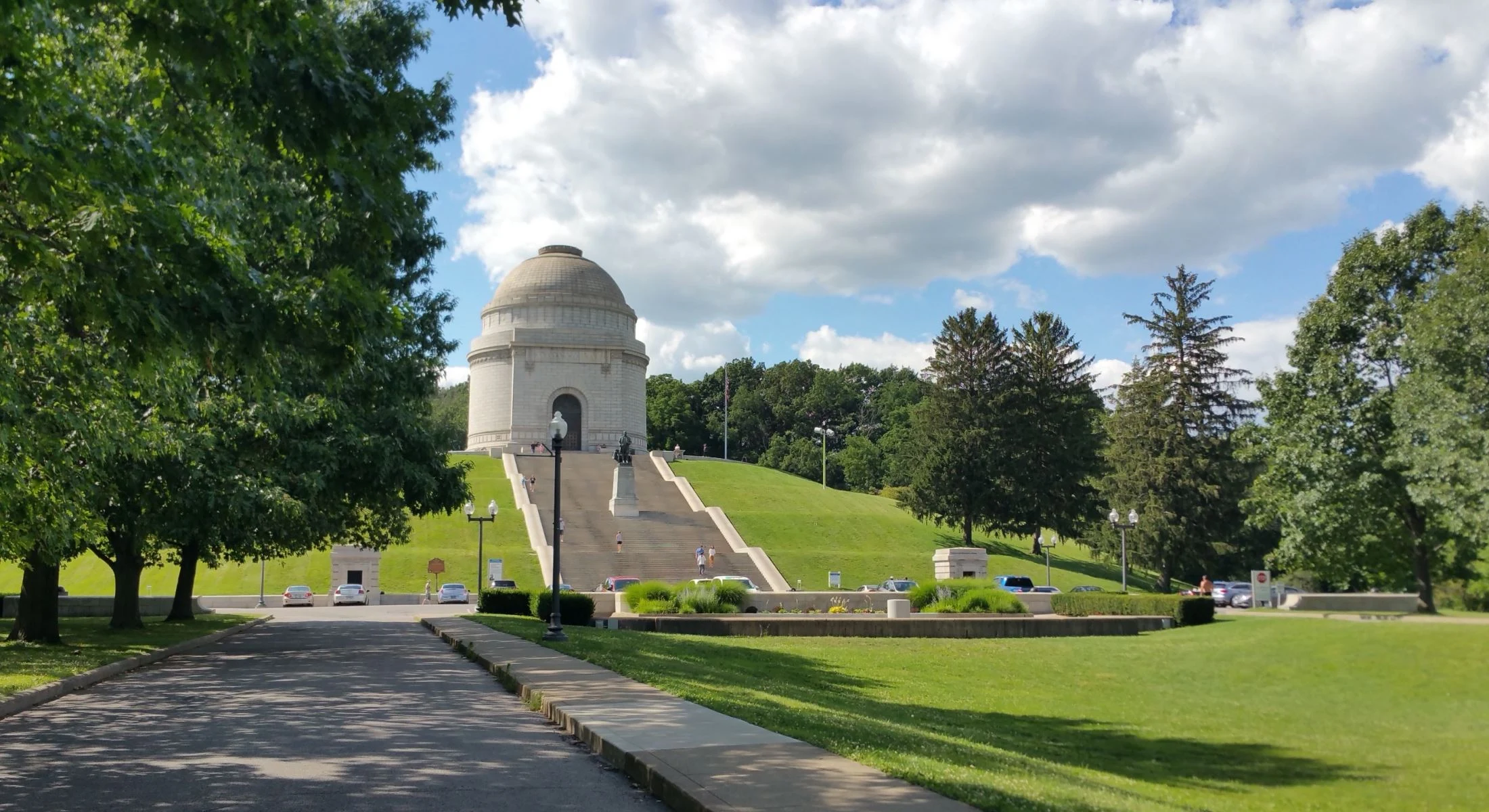
Commercial Roofers in Downtown Canton
Commercial roofing in Downtown Canton should begin with a documented assessment of membrane condition, seams, flashings, drainage, penetrations, and moisture before repair, coating, or replacement is selected. Downtown Canton carries four different roof categories inside a few square miles: early-1900s brick office buildings, converted studio and gallery space in the arts district, the large-span roofs around Hall of Fame Village, and civic buildings running on a municipal budget cycle. Each one comes with its own scheduling and technical constraint.
Historic Downtown Office Buildings
Downtown's older brick office buildings mostly carry built-up roofing tied into masonry parapets and decorative cornices that need careful handling on any tie-in work. A membrane detail that works fine on a modern steel-frame building can crack a century-old cornice if it's not adapted to the structure underneath.
Before recommending replacement on one of these buildings, we look at the structural condition of the parapet and deck first, since a lot of the leaks we find in downtown office buildings trace back to masonry deterioration at the roofline rather than the membrane field itself.
Tenant turnover in these buildings can be frequent, and we coordinate roof access with whoever's managing the building day to day, since older downtown properties don't always have a dedicated facilities contact the way a newer office park does.
The Arts District
Galleries and studio spaces in converted downtown buildings mix low-slope roofs with some steeper original rooflines, and appearance matters more here than on a typical commercial building — these structures are visible from the street in a district of walkable storefronts and public art. We coordinate material choice and visible roofline details with what the district and any historic preservation guidelines call for, weighing appearance alongside installed cost rather than defaulting to whatever's cheapest.
Studio and gallery tenants often keep irregular hours around exhibit openings and events, so we confirm the specific building's schedule rather than assuming standard retail hours apply.
Hall of Fame Village and Event-Venue Roofing
The large-span roofs over entertainment and hospitality buildings near the Hall of Fame carry more public foot traffic underneath than almost any other building type in the market, and safety protocol during roof work reflects that. We plan containment and access specifically to keep any work zone separated from public areas, and we're especially careful around event weekends when foot traffic multiplies.
These buildings also tend to run larger, newer roof systems than the rest of downtown, so the maintenance conversation is closer to what you'd see on a big-box retail roof — equipment density, drainage capacity for a large footprint, and membrane condition tracking over a shorter but more heavily used building history.
- Masonry parapet deterioration at the roofline on early-1900s downtown office buildings
- Visible roofline material choices that need to match arts-district appearance or preservation guidelines
- Event-weekend scheduling conflicts near Hall of Fame Village requiring off-peak work windows
- Municipal procurement timelines affecting how quickly civic building roof repairs can move forward
- Tenant turnover in older buildings without a dedicated on-site facilities contact
Civic and Government Building Roofs
Courthouse, city hall, and other municipal buildings downtown operate on public budget and procurement cycles that don't move at the same pace as a private building owner's decision-making. We build proposals that fit municipal bid and approval processes, and we plan around the fiscal year timing that determines when capital roof work can actually get funded and approved.
These buildings also carry public-access considerations during any roof work — visitor traffic, ADA access points, and public safety around the building's exterior — that a private office building doesn't have to account for in the same way.
Event-Driven Scheduling
Downtown Canton's calendar runs around game weekends, Hall of Fame events, and other public gatherings that change what's realistic on any given date. We check the district's event calendar before proposing a work schedule for any building near the Hall of Fame Village or the downtown core, since a road closure or crowd event can shut down staging access even for a building that isn't itself hosting anything.
Even routine maintenance benefits from that same check. A lift reservation or a material delivery window that seemed straightforward on paper can run into a parade route or a street closure downtown that wasn't on anyone's radar when the appointment got scheduled two weeks earlier, so we confirm dates against the district calendar as a standard step, not an extra one.
Questions About Roofing in Downtown Canton
Is roof work on old brick buildings different from a standard commercial job?
Yes — we check masonry parapet and cornice condition first, since tie-in details on a historic building need different handling than on a modern steel-frame structure.
Do you have to match roofing materials to arts-district appearance standards?
We coordinate visible material choices with the district's character and any applicable preservation guidance, particularly for rooflines visible from street level.
Can you schedule around Hall of Fame Village event weekends?
Yes, we check the local event calendar before proposing dates for any work near the Village or downtown core, since crowds and road closures affect staging even for unrelated buildings.
How does roofing work with municipal budget cycles for civic buildings?
We build proposals around the public procurement and fiscal year timeline these buildings operate under, rather than expecting the same fast turnaround a private owner might approve.
What's the biggest cause of leaks in downtown's older office buildings?
Masonry deterioration at the parapet or cornice, more often than we'd expect on newer construction — it's one of the first things we check before recommending membrane work.